Pakistan Holds All the Cards: ICC Revenue Demands Amid India Crisis
Pakistan has emerged as the power player in the ongoing T20 World Cup 2026 crisis, leveraging their position to extract major concessions from the ICC. With the Pakistan-India match being cricket’s biggest revenue generator, the Pakistan Cricket Board (PCB) is making bold demands that go beyond just scheduling, including higher ICC revenue shares, enforcement of basic cricketing ethics, and intervention in bilateral cricket ties. The T20 World Cup 2026 hangs in the balance as the Jay Shah-led ICC scrambles to meet Pakistan’s conditions and salvage the tournament’s financial viability.
Pakistan’s Key Demands from ICC
| Demand | Details | Rationale |
|---|---|---|
| Higher ICC Revenue | Increased share of tournament earnings | Pakistan-India matches generate massive revenue |
| Cricketing Ethics | Indian players must respect handshakes and sportsmanship | Maintain basic respect and game spirit |
| Bilateral Cricket Restart | ICC mediation for India-Pakistan series | End years-long stalemate between nations |
| Tournament Participation | Pakistan’s continued involvement in World Cup | Financial survival of the tournament |
Why Pakistan Holds Leverage
Pakistan’s bargaining power stems from one undeniable fact: India-Pakistan cricket matches are the sport’s biggest commercial goldmine. These encounters generate viewership numbers and advertising revenue that dwarf almost any other fixture in world cricket.
The Financial Reality
Television Ratings: India-Pakistan matches routinely draw 300-400 million viewers globally, making them the most-watched cricket contests.
Advertising Revenue: Brands pay premium rates for commercial slots during these high-stakes encounters, with some estimates suggesting a single match generates $50-70 million in direct revenue.
Broadcasting Rights: The presence of Pakistan-India fixtures significantly inflates the value of tournament broadcasting packages.
Merchandise and Tickets: These matches see the highest demand for tickets and team merchandise across all cricket tournaments.
Without Pakistan’s participation, the tournament loses its most lucrative asset, potentially costing the ICC hundreds of millions in revenue.
Demand 1: Higher ICC Revenue Share
Pakistan’s first major demand addresses the financial distribution model within the ICC. The PCB argues that since Pakistan-India matches contribute disproportionately to tournament revenues, Pakistan deserves a larger share of the financial pie.
Current Revenue Distribution
The ICC’s current revenue-sharing model has historically favored the “Big Three” cricket boards: India (BCCI), England (ECB), and Australia (Cricket Australia). Pakistan now wants this model restructured to reflect their commercial contribution through high-profile matches.
PCB’s Argument: If our participation creates the tournament’s biggest revenue stream, we should receive compensation that reflects this contribution rather than outdated distribution formulas.
ICC’s Dilemma: Agreeing to Pakistan’s demands could trigger similar requests from other boards and disrupt the entire revenue-sharing ecosystem.
Demand 2: Basic Cricketing Ethics and Handshakes
Perhaps the most emotionally charged demand involves basic sportsmanship protocols, specifically requiring Indian players to participate in traditional on-field courtesies like handshakes with Pakistani players.
The Handshake Controversy
Recent encounters have seen tensions where traditional post-match handshakes and on-field acknowledgments between Indian and Pakistani players have been inconsistent or avoided entirely. Pakistan views this as disrespectful and contrary to cricket’s spirit.
Pakistan’s Position: Cricket should transcend politics. Players representing their nations must maintain basic respect and sportsmanship regardless of off-field tensions.
Cultural Significance: In cricket culture, handshakes symbolize respect for opponents and the game itself. Their absence sends negative messages about the sport’s values.
ICC’s Challenge: The governing body now faces the delicate task of enforcing behavioral standards that touch on deeply political sensitivities.
This demand highlights how the cricket field has become a stage for broader geopolitical tensions, with participating teams caught in the middle.
Demand 3: Bilateral Cricket Mediation
Pakistan’s most ambitious demand involves the ICC stepping into the long-frozen bilateral cricket relationship between India and Pakistan. The two nations haven’t played a bilateral series since 2012-13, with matches occurring only in ICC tournaments.
The Bilateral Cricket Deadlock
Historical Context: India and Pakistan last played a full bilateral series over a decade ago. Since then, only multi-nation tournament encounters have brought them together.
Economic Impact: Both boards lose significant revenue from the absence of bilateral series, which historically drew massive crowds and television audiences.
PCB’s Request: Pakistan wants ICC intervention to facilitate discussions and potentially restart bilateral cricket ties, arguing that the governing body should promote cricket above political differences.
Complexity: The ICC has traditionally avoided intervening in bilateral arrangements between member boards, making this a precedent-setting demand.
India’s Position: The BCCI has maintained that bilateral cricket depends on government clearance and broader diplomatic relations.
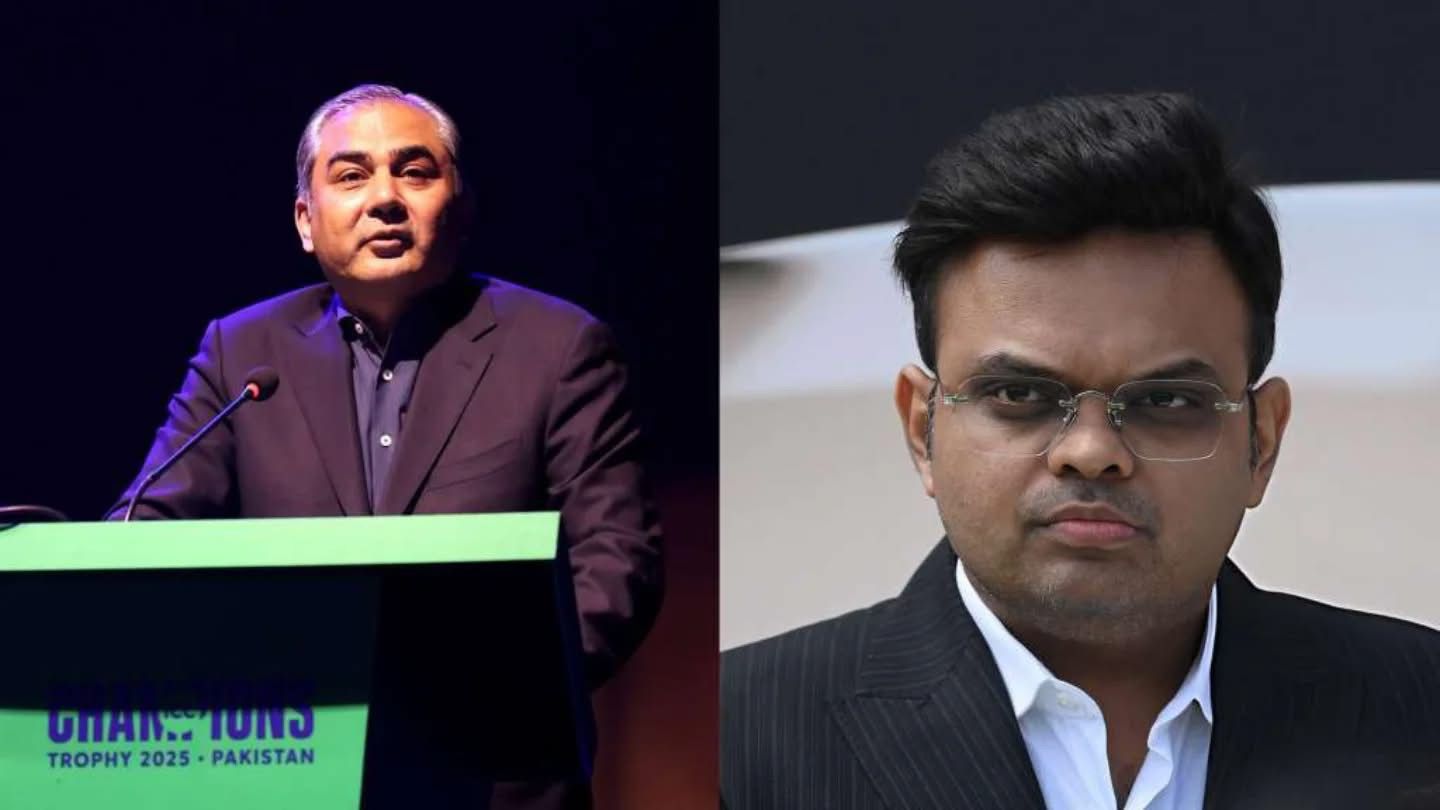
Jay Shah’s ICC Under Pressure
The current crisis puts Jay Shah, the ICC Chairman, in an extraordinarily difficult position. As an Indian administrator leading the global governing body, he must balance multiple competing interests:
Shah’s Balancing Act
Institutional Integrity: Maintaining ICC’s credibility as a neutral governing body
Commercial Viability: Ensuring the tournament’s financial success
Political Pressures: Managing expectations from India, Pakistan, and other member boards
Tournament Delivery: Keeping the T20 World Cup 2026 groups schedule intact
Reports suggest the ICC is making “compromises” to ensure Pakistan’s continued participation, indicating Shah’s willingness to negotiate rather than risk tournament collapse.
Financial Stakes for ICC
The potential financial impact of Pakistan’s withdrawal cannot be overstated:
| Revenue Stream | Impact Without Pakistan |
|---|---|
| Broadcasting Rights | 30-40% reduction in value |
| Sponsorships | Major brand pullouts possible |
| Ticket Sales | Reduced demand for matches |
| Digital Rights | Lower viewership engagement |
| Merchandise | Decreased sales across tournament |
These numbers explain why the ICC is willing to negotiate seriously with Pakistan’s demands despite the complications they create.
Regional and Global Implications
Pakistan’s power play has broader implications beyond this single tournament:
Precedent Setting: Success here could embolden other boards to make similar demands in future tournaments.
Revenue Model Reform: The entire ICC revenue-sharing structure might require overhaul to prevent future crises.
Political-Sports Separation: The crisis highlights cricket’s struggle to maintain sporting integrity while navigating political realities.
Tournament Planning: Future ICC events may need contingency plans for similar geopolitical complications.
What Happens Next
The coming days are critical as ICC officials work to find solutions acceptable to Pakistan while maintaining tournament integrity and satisfying other stakeholders. Several scenarios remain possible:
Full Compromise: ICC agrees to Pakistan’s major demands, tournament proceeds smoothly
Partial Agreement: Some demands met, others deferred for future discussions
Neutral Solutions: Creative compromises that address concerns without setting problematic precedents
Continued Standoff: Negotiations drag on, threatening tournament timelines
The points table implications mean every day of delay adds pressure on teams preparing for the competition.
Frequently Asked Questions
Why is Pakistan demanding higher ICC revenue? Pakistan argues that India-Pakistan matches generate the tournament’s highest revenue, so they deserve a larger share of ICC earnings that reflects their commercial contribution.
What is the handshake demand about? Pakistan wants ICC to enforce basic cricketing ethics, requiring Indian players to participate in traditional on-field courtesies like handshakes, maintaining sportsmanship standards.
Can ICC mediate India-Pakistan bilateral cricket? Pakistan has asked ICC to intervene and facilitate discussions to restart bilateral cricket series between the two nations, which haven’t played each other outside ICC tournaments since 2012-13.
Why is the ICC making compromises? The ICC understands that Pakistan’s participation is crucial for the tournament’s financial success, as India-Pakistan matches are cricket’s biggest revenue generators with 300-400 million viewers.
What happens if Pakistan withdraws from the World Cup? Pakistan’s withdrawal could cost the ICC hundreds of millions in lost revenue from broadcasting, sponsorships, tickets, and advertising, potentially threatening the tournament’s viability.
Is Jay Shah under pressure in this crisis? Yes, as ICC Chairman and an Indian administrator, Jay Shah must balance institutional integrity, commercial viability, and political pressures while ensuring tournament delivery.