ICC Announces Major Decisions on Bangladesh and T20 World Cup 2026 in Official Press Statement
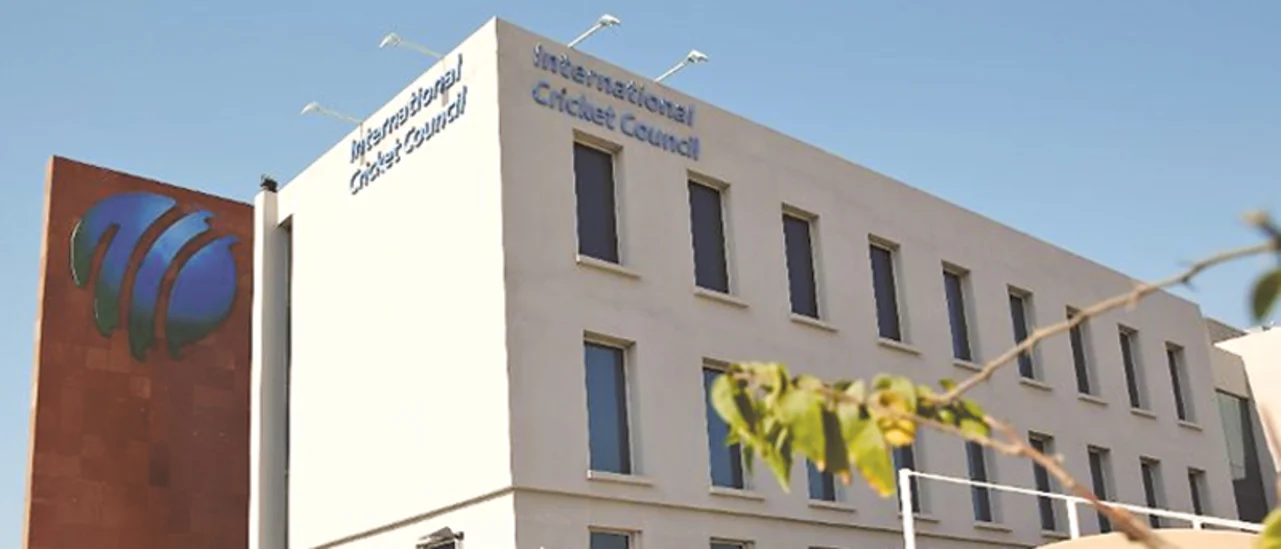
The International Cricket Council has issued a crucial press statement addressing Bangladesh’s absence from the T20 World Cup 2026 and the resolution reached between ICC, Pakistan Cricket Board, and Bangladesh Cricket Board. This landmark agreement shapes the future of cricket diplomacy in South Asia and provides clarity on one of the tournament’s biggest controversies.
Key Outcomes of ICC-PCB-BCB Dialogue
| Decision Area | Final Resolution |
|---|---|
| Penalties for BCB | Zero financial, sporting, or administrative sanctions |
| Future Hosting Rights | Bangladesh to host ICC event before 2031 Cricket World Cup |
| Legal Rights | BCB retains right to approach Dispute Resolution Committee |
| Regional Cricket | Continued dialogue and cooperation commitment from all parties |
The International Cricket Council, working alongside the Pakistan Cricket Board and Bangladesh Cricket Board, conducted what officials described as an “open, constructive and congenial dialogue” covering multiple aspects of the current situation and future cricket development in South Asia.
Bangladesh Escapes All Penalties
In a surprising turn of events, the ICC has confirmed that no financial, sporting or administrative penalty will be imposed on Bangladesh Cricket Board regarding their withdrawal from the tournament. This decision marks a significant departure from traditional consequences usually faced by teams that pull out of major ICC events.
The governing body emphasized its commitment to “neutrality and fairness,” choosing a path of “facilitative support rather than punishment.” This approach reflects the ICC’s understanding of the complex geopolitical and security concerns that led to Bangladesh’s decision.
What This Means for Bangladesh Cricket
Despite missing out on the T20 World Cup 2026, Bangladesh’s cricketing future remains bright. The ICC press note specifically highlighted several positive developments:
ICC’s Commitment to Bangladesh:
- Recognition as a “valued Full Member” with proud cricketing history
- Vital role acknowledged in global cricket growth
- Access to over 200 million passionate fans in the region
- Priority cricket ecosystem deserving long-term investment
- No long-term negative effects on cricket development in the country
The statement emphasized that Bangladesh’s absence from this particular tournament “does not alter the ICC’s enduring commitment to Bangladesh as a core cricketing nation.”
Major Hosting Opportunity Secured
Perhaps the most significant outcome of these negotiations is the agreement that Bangladesh will host an ICC event prior to the ICC Men’s Cricket World Cup 2031. This hosting opportunity comes with important conditions:
Hosting Agreement Details
| Aspect | Requirement |
|---|---|
| Timeline | Before Cricket World Cup 2031 |
| Process | Subject to usual ICC hosting procedures |
| Operational Standards | Must meet ICC’s operational requirements |
| Significance | Reflects confidence in Bangladesh’s hosting capability |
This decision demonstrates the ICC’s faith in Bangladesh’s infrastructure and organizational abilities. It also provides a concrete platform for Bangladesh to showcase its cricket facilities on the global stage.
Legal Rights Protected
The press statement explicitly confirms that Bangladesh Cricket Board retains the right to approach the Dispute Resolution Committee (DRC) if they choose to do so. This provision exists under current ICC regulations and remains completely intact despite the negotiated settlement.
This clause is particularly important as it ensures BCB maintains all its constitutional rights within the ICC framework, even while accepting the current agreement. It provides a safety valve should any future disputes arise regarding this matter.
South Asian Cricket Cooperation
The dialogue between ICC, PCB, and BCB extended beyond just the immediate T20 World Cup 2026 situation. Officials discussed “the broader outlook for cricket in South Asia,” indicating a comprehensive approach to regional cricket development.
Areas of Discussion:
- Future bilateral series and tournaments in the region
- Development programs for emerging cricket nations
- Enhanced fan engagement across South Asian markets
- Infrastructure development and sharing of best practices
- Broadcast and commercial opportunities in the subcontinent
The statement emphasized that all three bodies, “along with other Members, remain committed to continued dialogue, cooperation and constructive engagement in the best interests of the sport.”
Impact on Current Tournament
While Bangladesh’s spot in the tournament groups has been filled by Scotland, this official statement closes the door on any possibility of their late entry. The current schedule and team compositions will remain unchanged.
Fans following the live streaming of matches can now focus on the competing nations without concerns about further diplomatic disruptions affecting the tournament’s progress.
ICC’s Governance Framework Remains Intact
The press note carefully clarifies that these agreements “do not alter, qualify or detract from the ICC’s constitutional autonomy, governance framework or established decision-making processes, all of which remain fully applicable.”
This statement is crucial for maintaining the ICC’s authority and ensuring that this special arrangement doesn’t set a precedent that could undermine the organization’s governance structure in future situations.
What Happens Next?
The resolution of this matter brings much-needed stability to South Asian cricket. With all parties committed to “protect the integrity of the game and preserve unity within the cricket fraternity,” the focus can now shift entirely to the ongoing tournament action.
Bangladesh cricket administrators can now concentrate on domestic competitions, bilateral series, and preparing for their future ICC hosting responsibilities. Meanwhile, the T20 World Cup 2026 continues without the shadow of diplomatic uncertainty.
Long-Term Vision for Bangladesh
The ICC’s statement concluded with a powerful message about Bangladesh’s place in world cricket: “Bangladesh remains a priority cricket ecosystem deserving of long-term investment in its development, competitiveness and global integration, and is not defined by short-term disruptions.”
This commitment suggests increased ICC support for Bangladesh cricket infrastructure, player development programs, and grassroots initiatives over the coming years, ensuring that this temporary setback doesn’t hinder the nation’s cricketing progress.
Frequently Asked Questions
Will Bangladesh face any penalties for missing T20 World Cup 2026?
No, the ICC has officially confirmed that zero financial, sporting, or administrative penalties will be imposed on Bangladesh Cricket Board for their absence from the tournament.
When will Bangladesh host an ICC event?
Bangladesh will host an ICC event before the ICC Men’s Cricket World Cup 2031, subject to usual ICC hosting processes, timelines, and operational requirements.
Can Bangladesh still take legal action against ICC?
Yes, BCB retains the right to approach the Dispute Resolution Committee (DRC) if they choose to do so. This right exists under current ICC regulations and remains intact.
Why did ICC decide not to penalize Bangladesh?
The ICC’s approach was guided by principles of neutrality and fairness, choosing facilitative support rather than punishment, acknowledging the complex circumstances of the situation.
What was discussed in the ICC-PCB-BCB dialogue?
The dialogue covered several matters including the T20 World Cup 2026 situation and the broader outlook for cricket development in South Asia, focusing on cooperation and future opportunities.
Does this decision affect ICC’s governance framework?
No, the agreement does not alter, qualify, or detract from the ICC’s constitutional autonomy, governance framework, or established decision-making processes, which remain fully applicable.