Shubman Gill Breaks Silence on T20 World Cup Drop
In the ruthless ecosystem of Indian cricket, where heroes are minted and forgotten with the passing of a season, the manner in which a player handles rejection often defines their legacy more than their cover drive.
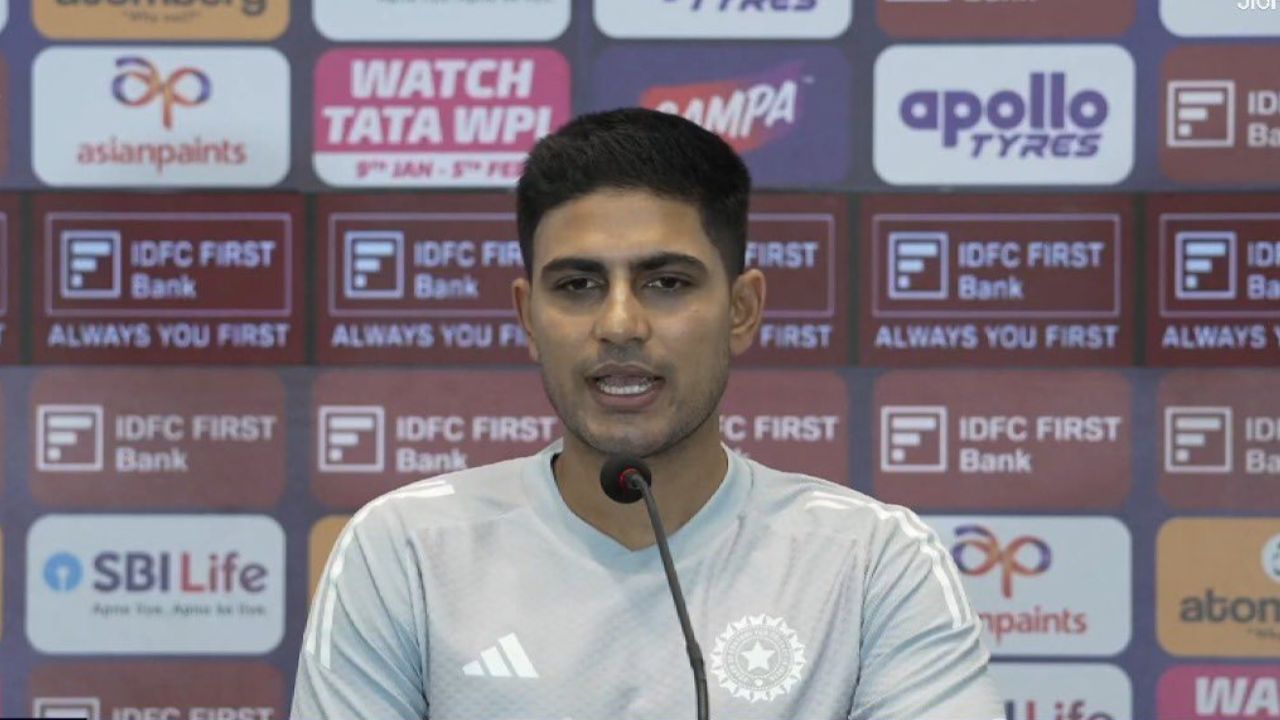
Shubman Gill, the “Prince” of Indian batting and the current ODI captain, faced perhaps the sharpest reality check of his career this week: exclusion from the T20 World Cup 2026 squad. Yet, as he faced the press in Kotambi ahead of the ODI series against New Zealand, there was no bitterness, no deflection—only a stoic acceptance that belied his 26 years.
The Quote That Echoed Around the Cricket World
When asked about watching the upcoming World Cup from home despite being the vice-captain of the T20 side until recently, Gill didn’t offer a PR-curated cliché. He offered a glimpse into his philosophy.
“Firstly, it is my belief that in my life, I am where I am supposed to be. Whatever is written in my destiny, I will have it.”
This isn’t just a soundbite; it is a shield. In a world obsessed with “what ifs” and “why nots,” Gill’s reliance on destiny signals a maturity that suggests he understands the cyclical nature of sport. He added, “I respect the selectors’ decision. All the best to the team for the T20 World Cup.”
It was a masterclass in dignity. By refusing to sulk, he instantly shifted the narrative from “Gill the victim” to “Gill the leader.”
The “Captaincy Paradox”
Gill finds himself in one of the most unique and awkward positions in modern cricket, a situation we can call the “Captaincy Paradox.”
- In ODIs: He is the supreme leader, the man entrusted with marshalling legends like Rohit Sharma and Virat Kohli.
- In T20Is: He is currently deemed surplus to requirements, not even finding a place in the 15.
This duality would fracture the confidence of lesser players. How do you command authority in the dressing room on Sunday when the same teammates know you aren’t “good enough” for the tournament next month?
The answer lies in compartmentalization. The selectors, led by Ajit Agarkar, have made a brutal but calculated call based on “team composition.” With the explosive rise of Abhishek Sharma and the resurgence of Sanju Samson (who fits the aggressive opener mold the management craves), Gill’s classical accumulation style was viewed as a luxury the T20 side couldn’t afford.
The Numbers Game: Why the Axe Fell?
While the emotional response is one of sympathy, the cricketing logic is cold and hard.
- Recent T20 Form: Gill has struggled to find the fifth gear consistently in the shortest format.
- The Competition: With Yashasvi Jaiswal (though curiously absent from the T20 list provided, likely due to specific role management or injury nuances referenced in other contexts) and the left-handed dynamism of Abhishek Sharma, the “anchor” role is dying.
- The Replacement: Axar Patel taking over the vice-captaincy signals a shift towards utility players who offer multiple skills—something Gill, as a pure batter, cannot counter.
The Immediate Challenge: Redemption in Kotambi
The best way to answer a selector’s snub is not with words, but with runs. The universe has conspired to give Gill the perfect platform: a three-match ODI series starting Sunday, January 11, at the newly inaugurated Baroda Cricket Association Stadium in Kotambi.
This series is no longer just a “warm-up”; for Gill, it is a statement series.
- Leading the Legends: He will captain a full-strength side featuring Rohit and Virat. Their presence is a double-edged sword—they provide experience, but their scintillating form in the Vijay Hazare Trophy puts even more pressure on Gill to match their output.
- The No. 4 Solution: With Shreyas Iyer returning, the batting order finally looks settled. Gill doesn’t need to worry about the middle order; he just needs to dominate the powerplay.
The Opposition: A Depleted but Dangerous New Zealand
The Black Caps arrive in India slightly wounded but historically resilient.
- Captaincy Change: With Mitchell Santner out (groin injury) and Kane Williamson playing SA20, Michael Bracewell takes the armband.
- The “Fire the First Shot” Mentality: New Zealand’s mantra of “you are where your feet are” mirrors Gill’s own “destiny” comment. They are missing stars like Tom Latham and Rachin Ravindra, but players like Glenn Phillips and the returning Matt Henry ensure they remain a threat.
Conclusion: The Fire Within
Shubman Gill may say he accepts his destiny, but make no mistake—elite athletes use rejection as fuel.
As he walks out to the toss in Kotambi, he isn’t just the ODI captain; he is a player with a point to prove. The T20 World Cup door may be closed for now, but the door to greatness remains wide open. If he channels this disappointment into a run-fest in the ODIs, the “destiny” he speaks of might just involve leading India to glory in the next World Cup.
For now, the Prince has been humbled. But as history shows, a humbled King often returns more dangerous than ever.