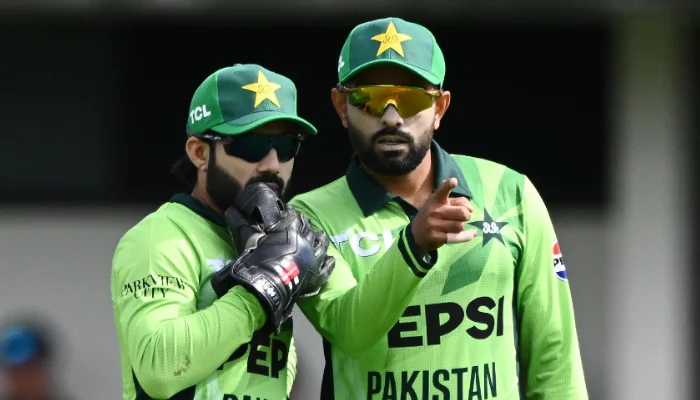
Why Babar Azam Got the Nod Over Mohammad Rizwan for T20 World Cup 2026
Pakistan’s team selection for the upcoming mega cricket event has sparked heated debates across social media, especially regarding the choice of Babar Azam over Mohammad Rizwan. Director of High Performance Aqib Javed has finally broken his silence, offering insights that might surprise fans who’ve been demanding answers.
Speaking at a media conference at Gaddafi Stadium in Lahore, Javed made it clear that the T20 World Cup 2026 squad wasn’t built around individual comparisons. Instead, the focus stayed locked on creating a balanced batting lineup that can handle different match situations.
The Real Philosophy Behind Team Selection
Aqib Javed’s explanation cuts straight to the heart of modern cricket strategy. According to him, comparing Babar Azam and Mohammad Rizwan directly misses the entire point of squad composition.
“You have to look at how the batting composition of your team shapes up,” Javed explained. “In that, Babar is seen by both the coach and the captain as someone who can play a vital role in the team.”
| Selection Factor | Priority Level | Impact on Squad |
|---|---|---|
| Batting Balance | Highest | Creates flexible middle-order options |
| Player Roles | Critical | Ensures specialists for different situations |
| Team Composition | Primary | Builds 7-8 batsmen unit that complements each other |
| Individual Stats | Secondary | Considered within team context only |
What makes this approach interesting is how it shifts away from the traditional “who’s performing better” debate. Instead, selectors asked themselves which combination of players creates the strongest possible team.
Why Direct Comparisons Don’t Work
Javed was brutally honest about how selection decisions get made at the highest level. He stressed that picking one player doesn’t automatically mean denying another player their chance.
“We don’t think in terms of comparing one player to another or why one was chosen and the other wasn’t. There’s no logic in that,” he stated firmly. “What you need to see is who fits better in the squad and which player makes the team stronger.”
This philosophy makes sense when you consider how different players fill different roles. The Pakistan squad needs batsmen who can anchor innings, others who can accelerate, and some who excel in specific match situations.
Key Selection Principles:
- Building complementary batting partnerships
- Creating flexibility for different match scenarios
- Balancing aggression with stability
- Ensuring wicketkeeping options across batting positions
- Matching player strengths to tactical requirements
The Usman Khan Factor Changes Everything
Head Coach Mike Hesson dropped another revelation that explains the selection puzzle. Usman Khan’s emergence as a reliable wicketkeeper-batsman has completely reshaped Pakistan’s middle-order strategy.
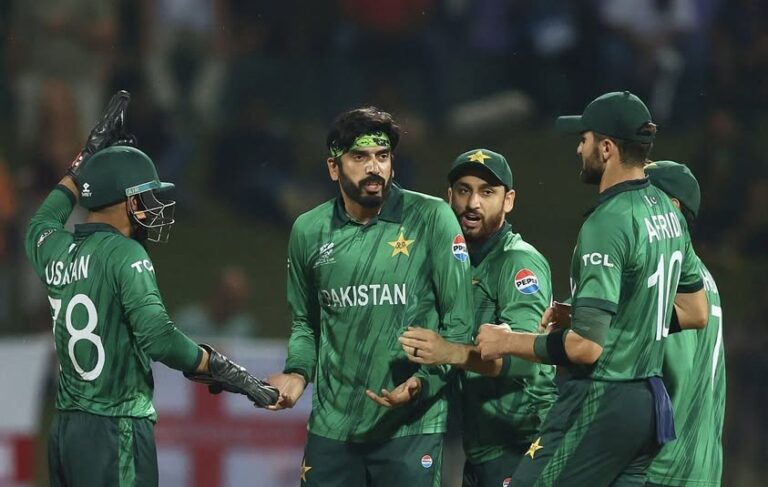
“Usman Khan has been exceptional since he came back,” Hesson praised. “He remained not out in three chases where we were losing wickets, and he has shown experience. His wicketkeeping is going probably better than expected.”
Hesson’s comments about Khan’s performance in Sri Lanka highlight why the selectors felt confident making tough calls. When you have someone performing consistently in pressure situations while also handling wicketkeeping duties, it changes your entire team composition approach.
| Player | Batting Position | Primary Role | Wicketkeeping |
|---|---|---|---|
| Mohammad Rizwan | Top Order (1-3) | Anchor/Accumulator | Yes |
| Usman Khan | Middle Order (5-6) | Finisher/Keeper | Yes |
| Babar Azam | Top/Middle (3-4) | Anchor/Builder | No |
Different Roles, Different Requirements
Mike Hesson made a crucial point that many fans might have missed. The team’s wicketkeeper role for this tournament targets middle-order stability, not top-order accumulation.
“The role we have for our keeper is someone through the middle, batting at five or six,” Hesson explained. “You are not comparing the same, as Rizwan is a top-order batter. There’s no spot in that role for a wicketkeeper.”
This tactical decision reveals Pakistan’s game plan. They want their wicketkeeper finishing innings and accelerating in the death overs, not occupying the crease for long periods at the top of the order.
The Timeline of Absence and Return
Both Babar Azam and Mohammad Rizwan had been missing from Pakistan’s short-format lineups since December 2024. This break raised questions about whether their absences were performance-related or strategic.
Babar made his comeback during the Asia Cup and stayed in contention for the home series against South Africa. Meanwhile, Rizwan hasn’t managed to force his way back into selection conversations despite his past contributions.
Recent Performance Timeline:
- December 2024: Both dropped from short-format squads
- Asia Cup: Babar returns to the side
- SA Home Series: Babar continues in lineup
- T20 WC 2026: Babar selected, Rizwan overlooked
- Current Status: Rizwan not under consideration
What the Tournament Schedule Means for Pakistan
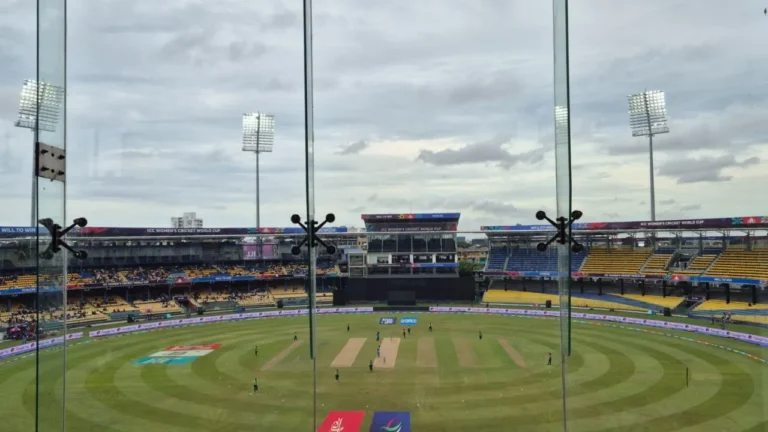
Pakistan’s campaign kicks off against the Netherlands on February 7 in Colombo. The tournament schedule includes some massive clashes that will test whatever team composition the selectors have chosen.
Group Stage Fixtures:
- February 7: vs Netherlands (Colombo)
- February 10: vs USA (Colombo)
- February 15: vs India (Colombo) – The biggest match
- February 18: vs Namibia (Colombo) – Final group game
All group matches happen in Colombo, Sri Lanka, before the action shifts to multiple venues for the Super Eight stage. The knockout rounds will see matches in both India and Sri Lanka, with the final scheduled for March 8.
Squad Composition Reveals Strategic Thinking
Looking at Pakistan’s 15-member squad shows how selectors balanced experience with emerging talent. They’ve included three wicketkeeping options (Khawaja Mohammad Nafay, Sahibzada Farhan, and Usman Khan), giving them flexibility for different match situations.
The batting lineup features proven performers like Fakhar Zaman and Saim Ayub alongside Babar Azam, while the bowling attack combines pace (Naseem Shah, Shaheen Afridi) with spin variations (Abrar Ahmed, Shadab Khan, Usman Tariq).
Pakistan’s Squad Breakdown:
- Captain: Salman Ali Agha
- Wicketkeepers: 3 options for tactical flexibility
- Batsmen: Mix of anchors and aggressive stroke-makers
- All-rounders: Balance between batting and bowling depth
- Bowlers: Pace and spin combinations for different conditions
Fan Reactions and Expert Opinions
Social media exploded with reactions after Aqib Javed’s press conference. Some fans appreciated the transparent explanation, while others remained unconvinced about dropping someone of Rizwan’s caliber.
Cricket experts have been divided too. Some argue that form should matter more than team balance theories, while others support the selection committee’s approach of looking at the bigger picture.
Frequently Asked Questions
Why was Babar Azam chosen over Mohammad Rizwan? The selection wasn’t about comparing them directly. Selectors focused on overall team balance and batting composition, where Babar fits the required role better for their strategy.
Is Mohammad Rizwan completely out of Pakistan’s plans? Currently, Rizwan isn’t under consideration for selection, but cricket situations change quickly. Future opportunities could arise based on team needs and performance requirements.
What role will Usman Khan play in the tournament? Usman Khan will bat in the middle order (positions 5-6) while handling wicketkeeping duties, focusing on finishing innings and accelerating in crucial moments.
When does Pakistan play their first match? Pakistan opens their campaign against the Netherlands on February 7, 2026, in Colombo, Sri Lanka.
Where can I check Pakistan’s complete match schedule? You can find detailed match timings and venues on the official schedule page with all group and knockout stage fixtures.
Who is captaining Pakistan in this tournament? Salman Ali Agha has been appointed as captain for Pakistan’s T20 World Cup 2026 campaign, marking a significant leadership change.