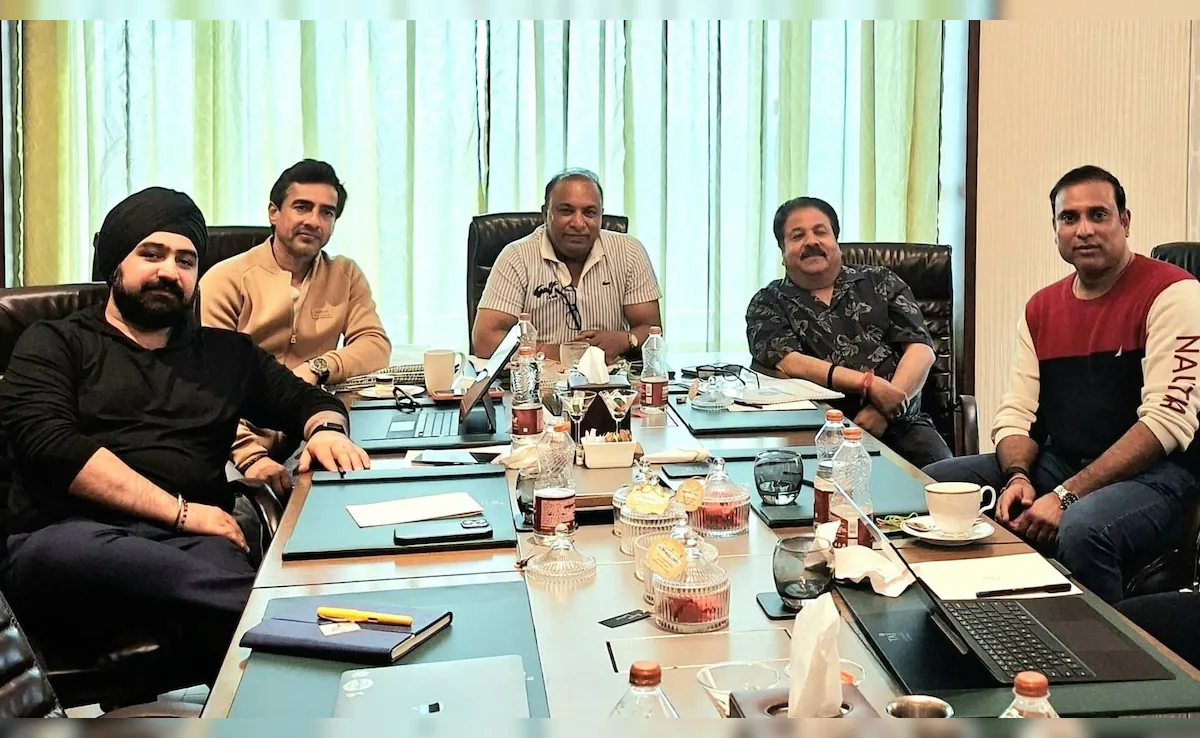
BCCI Breaks Silence On Bangladesh’s Demand To Shift T20 World Cup Matches Out Of India
The Board of Control for Cricket in India (BCCI) has finally addressed the escalating controversy surrounding Bangladesh’s request to relocate their T20 World Cup 2026 matches from Indian venues to Sri Lanka. In a measured response that sidesteps direct confrontation, BCCI secretary Devajit Saikia made it clear that the final decision rests solely with the International Cricket Council (ICC), not the Indian cricket board.
This statement comes as tensions between India and Bangladesh reach boiling point, threatening to overshadow what should be one of cricket’s most anticipated events. With the T20 World Cup 2026 scheduled to begin on February 7 across venues in India and Sri Lanka, the clock is ticking for ICC to resolve this diplomatic crisis that could reshape the entire tournament structure.
BCCI’s Official Stance: “Not Our Domain”
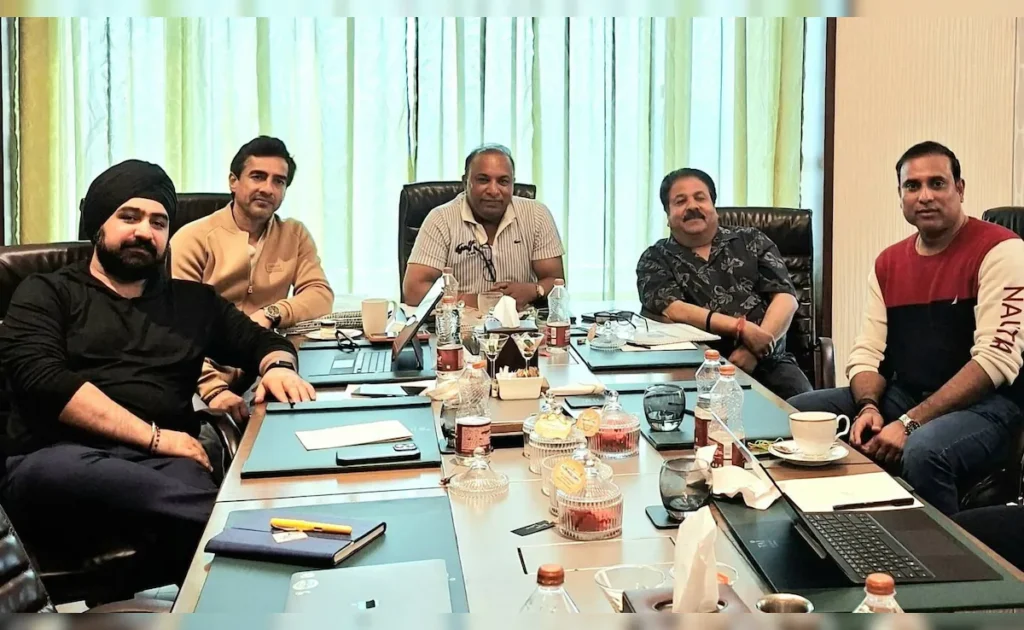
During a high-level meeting in Mumbai on Friday focused on the BCCI Centre of Excellence (CoE) operations, secretary Devajit Saikia was directly questioned about Bangladesh’s venue shift demand. His response was diplomatically calculated yet crystal clear.
“The meeting was about CoE and other cricketing matters. It’s not our domain to talk about that as the ICC has the final say on Bangladesh’s participation in the T20 World Cup,” Saikia told PTI.
This carefully worded statement achieves multiple objectives:
✅ Avoids escalation: By deferring to ICC, BCCI prevents further inflammatory rhetoric
✅ Maintains authority: Reminds all parties that ICC governs international tournaments
✅ Shows restraint: Refuses to engage in public back-and-forth with BCB
✅ Shifts pressure: Places decision-making burden squarely on ICC’s shoulders
The Mumbai Meeting: What Was Really Discussed
The Friday meeting at BCCI headquarters wasn’t primarily about Bangladesh at all. Senior officials gathered to address critical operational matters:
Key Attendees
| Position | Name |
|---|---|
| BCCI President | Mithun Manhas |
| BCCI Vice-President | Rajeev Shukla |
| BCCI Secretary | Devajit Saikia |
| Head of Cricket (CoE) | VVS Laxman |
Primary Agenda Items
Centre of Excellence Operations
- Assessed current staffing vacancies
- Discussed recruitment for technical positions
- Reviewed performance of existing programs
India U-19 and India A Tours
- Streamlining tour schedules
- Preventing overlap between A team and senior team commitments
- Ensuring A tours serve as effective “supply line of cricketers”
Infrastructure Management
- Operations at three grounds hosting Vijay Hazare Trophy matches
- Facility utilization optimization
The Bangladesh venue controversy only emerged during the media interaction following the meeting, highlighting how BCCI is attempting to maintain business-as-usual operations despite the international drama.
Understanding The Crisis: How We Got Here
This isn’t just about cricket venues—it’s a multifaceted diplomatic and sporting crisis with layers of complexity.
The Trigger: Mustafizur Rahman’s IPL Release
The entire situation exploded when BCCI instructed Kolkata Knight Riders to release Bangladesh pacer Mustafizur Rahman from their IPL 2026 roster. KKR had purchased Rahman for a substantial INR 9.20 crore at the Abu Dhabi auction, but escalating tensions over Hindu killings in Bangladesh led to massive public pressure.
The Fallout Sequence
1. Public Outcry in India Multiple incidents of targeted killings of Hindus in Bangladesh sparked widespread protests across India, with KKR facing severe criticism for retaining a Bangladeshi player.
2. BCCI’s Intervention Responding to public sentiment and political pressure, BCCI directed KKR to release Rahman despite the financial implications.
3. Bangladesh’s Retaliation BCB immediately cited security concerns and formally requested ICC to shift their World Cup matches from India to Sri Lanka.
4. Diplomatic Standoff Ongoing email exchanges between ICC and BCB without concrete resolution as tournament start date approaches rapidly.
For continuous updates on this developing situation, follow the latest T20 World Cup news.
Bangladesh’s World Cup Schedule: What’s At Stake
Bangladesh’s reluctance to travel to India directly impacts their tournament participation. Here’s what hangs in the balance:
Group C Composition
Bangladesh is grouped alongside cricket powerhouses and emerging teams:
| Team | FIFA Ranking | Previous Best Performance |
|---|---|---|
| England | Former Champions | Winners (2010, 2022) |
| West Indies | Former Champions | Winners (2012, 2016) |
| Bangladesh | Competitive Associate | Super 12 (2021) |
| Nepal | Rising Force | First-time participant |
| Italy | Newcomer | Qualifying debut |
Bangladesh’s Scheduled Fixtures
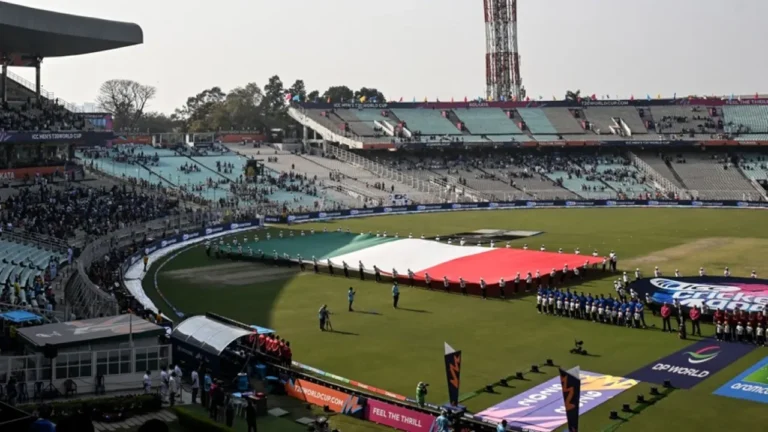
Three Matches at Eden Gardens, Kolkata:
- vs West Indies
- vs England
- vs Italy
One Match at Wankhede Stadium, Mumbai:
- vs Nepal
All four matches are currently scheduled on Indian soil, making Bangladesh’s venue shift request extremely disruptive to tournament logistics.
Check the complete fixture details on the T20 World Cup 2026 schedule page.
ICC’s Position: Walking A Diplomatic Tightrope
The International Cricket Council finds itself in an extraordinarily difficult position, balancing multiple competing interests:
ICC’s Assurances to Bangladesh
According to BCB’s official statement, ICC chairman Jay Shah has communicated the following:
“In its communication, the ICC has reiterated its commitment to ensuring the full and uninterrupted participation of the Bangladesh team in the tournament. The ICC has conveyed its willingness to work closely with the BCB to address the concerns raised and has assured that the Board’s inputs will be welcomed and duly considered as part of the detailed security planning for the event.”
ICC’s Challenges
Tournament Integrity
Maintaining the scheduled format and ensuring all teams compete on equal terms
Security Assurances
Addressing legitimate safety concerns while preventing precedent of teams refusing venues
Political Neutrality
Keeping sports separate from bilateral political tensions
Logistical Complexity
Relocating four matches with just weeks before tournament commencement
Financial Implications
Potential revenue loss from venue changes and reduced ticket sales
Expert Analysis: Possible Outcomes
Cricket analysts and former administrators suggest several potential scenarios:
Scenario 1: Status Quo Prevails (60% Probability)
ICC provides enhanced security guarantees, Bangladesh reluctantly accepts and travels to India for scheduled matches. This outcome preserves tournament structure but leaves underlying tensions unresolved.
Scenario 2: Partial Venue Shift (25% Probability)
ICC relocates one or two Bangladesh matches to Sri Lanka as compromise, keeping others in India. This satisfies BCB partially while minimizing logistical disruption.
Scenario 3: Complete Venue Change (10% Probability)
All Bangladesh matches moved to Sri Lankan venues, setting concerning precedent for teams refusing scheduled venues based on political considerations.
Scenario 4: Bangladesh Withdrawal (5% Probability)
The nuclear option—Bangladesh pulls out entirely if security concerns aren’t addressed. This would devastate tournament credibility and have massive financial ramifications.
What Bangladesh Players Are Saying
Interestingly, some Bangladesh cricketers have provided perspectives that differ from their board’s official position.
One unnamed Bangladesh T20 World Cup star reportedly made an “epic take” on the venue row, suggesting the team is willing to play wherever assigned, even joking: “Even if you send us to Mars…”
Another player allegedly admitted: “We are acting,” hinting that the security concerns might be more performative than genuine—a retaliatory posture following Rahman’s IPL release rather than authentic safety fears.
These contradictory signals from players versus administrators highlight internal disagreements within Bangladesh cricket about how to handle the situation.
The Broader Implications
This controversy extends far beyond one tournament:
Precedent Setting
If ICC accommodates Bangladesh’s venue shift request, it opens doors for:
- Teams refusing to play in certain countries based on political disputes
- Cricket tournaments becoming hostage to bilateral relations
- Reduced certainty in tournament planning and execution
India-Bangladesh Cricket Relations
The fallout could affect:
- Future bilateral series between the nations
- Player participation in respective domestic leagues
- Collaborative youth development programs
- Shared cricketing initiatives in the subcontinent
ICC’s Authority
The governing body’s handling of this crisis will either strengthen or weaken its ability to manage future controversies involving politics and sports intersecting.
Timeline: Critical Dates Ahead
| Date | Significance |
|---|---|
| January 10, 2026 | BCCI breaks silence on venue controversy |
| Late January 2026 | ICC expected to make final decision |
| February 7, 2026 | T20 World Cup 2026 scheduled to begin |
| Bangladesh’s first match | TBD (venue uncertainty) |
With less than a month until tournament commencement, ICC faces immense pressure to resolve this standoff definitively.
BCCI’s Strategic Silence
The Indian board’s refusal to engage directly with Bangladesh’s demands represents shrewd strategic positioning:
Advantages of This Approach:
📌 Avoids appearing as aggressor or bully in international perception
📌 Prevents direct confrontation that could worsen bilateral relations
📌 Maintains focus on domestic cricket operations and preparations
📌 Forces ICC to take ownership of resolution
📌 Preserves flexibility for future diplomatic cricket engagement
By staying above the fray, BCCI protects its reputation while ensuring ICC bears responsibility for any controversial decision.
What Happens To CoE Amid This Drama?
Despite international tensions, BCCI remains focused on long-term infrastructure development. The Centre of Excellence requires urgent attention:
Critical Vacancies:
- Head of Education
- Head of Sports Science
- Various technical personnel positions
Saikia acknowledged the global shortage of qualified cricket technical staff but committed to expediting recruitment. The facility currently hosts Vijay Hazare Trophy matches while serving as training base for India A and U-19 teams.
Fan Perspective: Ticket Sales and Uncertainty
Cricket enthusiasts hoping to attend Bangladesh’s matches face unprecedented uncertainty. While T20 World Cup 2026 tickets remain available for purchase, potential venue changes create complications for fans who’ve already made travel arrangements to Kolkata and Mumbai.
Frequently Asked Questions
Q: What did BCCI say about Bangladesh’s venue shift demand? BCCI secretary Devajit Saikia stated it’s “not our domain” to comment, clarifying that ICC holds final authority on Bangladesh’s T20 World Cup participation and venue decisions.
Q: Why does Bangladesh want to move matches out of India? Bangladesh Cricket Board cited security concerns following BCCI’s instruction to Kolkata Knight Riders to release pacer Mustafizur Rahman from IPL 2026 due to tensions over Hindu killings in Bangladesh.
Q: How many Bangladesh matches are scheduled in India? All four of Bangladesh’s group stage matches are currently scheduled on Indian soil—three at Eden Gardens in Kolkata and one at Wankhede Stadium in Mumbai.
Q: Has ICC made a decision on venue changes? As of January 10, 2026, ICC has not announced any final decision. The governing body continues email exchanges with BCB while assuring full commitment to Bangladesh’s tournament participation.
Q: When does T20 World Cup 2026 begin? The tournament is scheduled to commence on February 7, 2026, across venues in India and Sri Lanka, with the final on March 8, 2026.
Q: Can Bangladesh withdraw from the tournament? While theoretically possible, withdrawal would be unprecedented and carry severe consequences including financial penalties, ICC sanctions, and massive credibility damage. Players have suggested willingness to play regardless of venue.