With less than a month to go before the first ball is bowled in the 2026 ICC Men's T20 World Cup, cricket’s governing body finds itself navigating a geopolitical minefield. The Bangladesh Cricket Board (BCB) has formally requested that their national team's matches be moved out of India due to "security concerns," sparking a diplomatic and logistical scramble behind the scenes. As the standoff intensifies, reports indicate that the International Cricket Council (ICC) is formulating a compromise. While the BCB’s request to shift matches to co-host nation Sri Lanka is expected to be rejected, a domestic relocation—specifically to the southern Indian cities of Chennai and Thiruvananthapuram (Trivandrum)—has emerged as the likely solution. This article delves deep into the origins of the dispute, the proposed solutions, and the reactions from the Board of Control for Cricket in India (BCCI) as the tournament start date of February 7 looms large. The Genesis of the Conflict: Why BCB Wants Out The tension between the neighboring cricketing nations has been simmering, but it reached a boiling point just weeks ahead of the global showpiece. The BCB officially approached the ICC citing "security concerns" as the primary driver for their request to play their group stage matches in Sri Lanka rather than India. However, the friction appears to be fueled by more than just general safety anxieties. A specific flashpoint cited in reports involves the treatment of Bangladeshi players in the Indian Premier League (IPL). The request to relocate matches was made shortly after Bangladesh’s premier speedster, Mustafizur Rahman, was released by the IPL franchise Kolkata Knight Riders (KKR). Reports suggest that this release followed advice from the BCCI, a move that likely antagonized the BCB and deepened the rift. This mix of cricketing politics and cross-border tension has placed the ICC in an unenviable position: how to ensure the safety and comfort of a member nation without undermining the hosting rights of the BCCI. The ICC’s Likely Verdict: The "Southern Solution" Sources confirm that the ICC is expected to deliver its official response to the BCB between Tuesday and Monday of this week. While the BCB’s preference was a complete shift to Sri Lanka, insiders suggest the ICC is unlikely to accept a change of country. Shifting a substantial portion of the tournament to a different country at such short notice would be a logistical nightmare, involving visa re-issuances, broadcast calibration, and hotel bookings. Instead, a "middle path" has emerged. Reports indicate that Chennai and Trivandrum are being considered as alternative venues. Why Chennai and Trivandrum? The logic behind this potential proposal is strategic. The original schedule has Bangladesh playing three games in Kolkata and one in Mumbai. Kolkata, being in West Bengal, shares a porous border and deep cultural ties with Bangladesh, but it is also often the epicenter of political sentiments regarding the neighbor. Mumbai, the financial capital, has a history of political opposition to hosting certain neighboring teams in the past. By moving the games to the southern part of India, the ICC may be hoping to place the Bangladesh team in a more "neutral" atmosphere, far removed from the immediate border tensions or the political hotbeds of the north and west. The Original Schedule vs. The Proposed Shift To understand the magnitude of this potential change, one must look at the current itinerary. Bangladesh is slated to have a heavy presence in Kolkata, a city that would typically guarantee them massive crowd support. Current Schedule (Under Review): Feb 7: vs West Indies (Kolkata) Feb 9: vs Italy (Kolkata) Feb 14: vs England (Kolkata) Feb 17: vs Nepal (Mumbai) If the "Southern Compromise" is enacted, these marquee fixtures—particularly the clash against defending champions England and the Caribbean powerhouse—would move to the humid, spin-friendly tracks of the M.A. Chidambaram Stadium in Chennai or the Greenfield International Stadium in Trivandrum. While this might mitigate security concerns, it would deprive the Tigers of playing in Kolkata, effectively their "home away from home." BCCI’s Reaction: The "Wait and Watch" Approach Amidst the swirling rumors, the BCCI has maintained a diplomatic silence, insisting on following protocol. BCCI Secretary Devajit Saikia clarified that the Indian board has not yet received any official directive from the ICC regarding the venue shift. "The BCCI has not received any communication regarding the matter of shifting Bangladesh matches to Chennai or anywhere else, and it is beyond our control. It is a matter of communication between the BCB and the ICC," Saikia told IANS. Saikia’s comments highlight the BCCI’s stance that this is primarily a dispute between the participating nation (Bangladesh) and the tournament organizers (ICC). However, he assured that if the ICC mandates a change, India is ready to adapt. "If the ICC conveys any decision to us regarding a change of venue, the BCCI, as the host, will take the necessary steps," he added. The Counter-Narrative: The Case of the Bangladeshi Umpire While the BCB cites security fears, the ICC may have a strong counter-argument ready—one that is currently visible on the field. Even as the debate rages, Bangladeshi officials are actively participating in cricket matches within India without incident. Sharfuddoula Saikat, a respected Bangladeshi umpire, officiated the ODI opener between India and New Zealand in Vadodara just this past Sunday. Furthermore, fellow official Gazi Sohel is also expected to join the officiating team for the World Cup. The ICC is likely to use Saikat’s seamless involvement in international matches on Indian soil as a point of reference to de-escalate the situation. The argument is simple: if Bangladeshi officials are safe officiating in Vadodara, the national team should be safe playing in Kolkata or Chennai. This precedent significantly weakens the "security threat" narrative and bolsters the ICC's push to keep the matches in India. The Role of Government This issue has transcended sports administration and entered the corridors of power. The BCB has explicitly stated that they do not make these decisions in isolation. "As you may have guessed we don't make the decisions for ourselves regarding the upcoming World Cup. We will be in consultation with the government," said BCB official Aminul while speaking to reporters in Sylhet. The Bangladesh government is reportedly seeking direct communication with the Indian government to assess security conditions. This government-to-government dialogue will likely be the final word. If the Indian government provides written security assurances—as is standard for major ICC events—it will be difficult for the BCB to refuse to play without risking sanctions or forfeiture of points. Impact on Fans and Logistics For the fans, this uncertainty is a nightmare. With the tournament starting on February 7, thousands of supporters from Dhaka and Chittagong would have likely planned trips to Kolkata, which is easily accessible by bus and train from Bangladesh. A shift to Chennai or Trivandrum would necessitate air travel, significantly increasing costs and likely reducing the number of traveling supporters. Furthermore, the operational teams in Kolkata and Mumbai have likely already begun pitch preparations and security drills. A sudden shift to the South would require the BCCI to mobilize resources in Chennai and Trivandrum at breakneck speed. Conclusion: A Test of Diplomacy The next 48 hours are critical. The ICC’s reply, expected by Monday, will set the course for the tournament. If the proposal to shift matches to Chennai and Trivandrum is accepted, it will be a victory for diplomacy—addressing Bangladesh’s concerns while protecting India’s hosting rights. However, if the BCB digs in its heels and demands Sri Lanka or nothing, the T20 World Cup could face a crisis before the first ball is even bowled. For now, the cricketing world watches and waits, hoping that the action remains on the 22 yards and not in boardrooms.

ICC Proposes 2 Cities for Bangladesh Matches Amid T20 World Cup Venue Standoff

With less than a month to go before the first ball is bowled in the 2026 ICC Men’s T20 World Cup, cricket’s governing body finds itself navigating a geopolitical minefield. The Bangladesh Cricket Board (BCB) has formally requested that their national team’s matches be moved out of India due to “security concerns,” sparking a diplomatic and logistical scramble behind the scenes.

As the standoff intensifies, reports indicate that the International Cricket Council (ICC) is formulating a compromise. While the BCB’s request to shift matches to co-host nation Sri Lanka is expected to be rejected, a domestic relocation—specifically to the southern Indian cities of Chennai and Thiruvananthapuram (Trivandrum)—has emerged as the likely solution.

With less than a month to go before the first ball is bowled in the 2026 ICC Men's T20 World Cup, cricket’s governing body finds itself navigating a geopolitical minefield. The Bangladesh Cricket Board (BCB) has formally requested that their national team's matches be moved out of India due to "security concerns," sparking a diplomatic and logistical scramble behind the scenes. As the standoff intensifies, reports indicate that the International Cricket Council (ICC) is formulating a compromise. While the BCB’s request to shift matches to co-host nation Sri Lanka is expected to be rejected, a domestic relocation—specifically to the southern Indian cities of Chennai and Thiruvananthapuram (Trivandrum)—has emerged as the likely solution. This article delves deep into the origins of the dispute, the proposed solutions, and the reactions from the Board of Control for Cricket in India (BCCI) as the tournament start date of February 7 looms large. The Genesis of the Conflict: Why BCB Wants Out The tension between the neighboring cricketing nations has been simmering, but it reached a boiling point just weeks ahead of the global showpiece. The BCB officially approached the ICC citing "security concerns" as the primary driver for their request to play their group stage matches in Sri Lanka rather than India. However, the friction appears to be fueled by more than just general safety anxieties. A specific flashpoint cited in reports involves the treatment of Bangladeshi players in the Indian Premier League (IPL). The request to relocate matches was made shortly after Bangladesh’s premier speedster, Mustafizur Rahman, was released by the IPL franchise Kolkata Knight Riders (KKR). Reports suggest that this release followed advice from the BCCI, a move that likely antagonized the BCB and deepened the rift. This mix of cricketing politics and cross-border tension has placed the ICC in an unenviable position: how to ensure the safety and comfort of a member nation without undermining the hosting rights of the BCCI. The ICC’s Likely Verdict: The "Southern Solution" Sources confirm that the ICC is expected to deliver its official response to the BCB between Tuesday and Monday of this week. While the BCB’s preference was a complete shift to Sri Lanka, insiders suggest the ICC is unlikely to accept a change of country. Shifting a substantial portion of the tournament to a different country at such short notice would be a logistical nightmare, involving visa re-issuances, broadcast calibration, and hotel bookings. Instead, a "middle path" has emerged. Reports indicate that Chennai and Trivandrum are being considered as alternative venues. Why Chennai and Trivandrum? The logic behind this potential proposal is strategic. The original schedule has Bangladesh playing three games in Kolkata and one in Mumbai. Kolkata, being in West Bengal, shares a porous border and deep cultural ties with Bangladesh, but it is also often the epicenter of political sentiments regarding the neighbor. Mumbai, the financial capital, has a history of political opposition to hosting certain neighboring teams in the past. By moving the games to the southern part of India, the ICC may be hoping to place the Bangladesh team in a more "neutral" atmosphere, far removed from the immediate border tensions or the political hotbeds of the north and west. The Original Schedule vs. The Proposed Shift To understand the magnitude of this potential change, one must look at the current itinerary. Bangladesh is slated to have a heavy presence in Kolkata, a city that would typically guarantee them massive crowd support. Current Schedule (Under Review): Feb 7: vs West Indies (Kolkata) Feb 9: vs Italy (Kolkata) Feb 14: vs England (Kolkata) Feb 17: vs Nepal (Mumbai) If the "Southern Compromise" is enacted, these marquee fixtures—particularly the clash against defending champions England and the Caribbean powerhouse—would move to the humid, spin-friendly tracks of the M.A. Chidambaram Stadium in Chennai or the Greenfield International Stadium in Trivandrum. While this might mitigate security concerns, it would deprive the Tigers of playing in Kolkata, effectively their "home away from home." BCCI’s Reaction: The "Wait and Watch" Approach Amidst the swirling rumors, the BCCI has maintained a diplomatic silence, insisting on following protocol. BCCI Secretary Devajit Saikia clarified that the Indian board has not yet received any official directive from the ICC regarding the venue shift. "The BCCI has not received any communication regarding the matter of shifting Bangladesh matches to Chennai or anywhere else, and it is beyond our control. It is a matter of communication between the BCB and the ICC," Saikia told IANS. Saikia’s comments highlight the BCCI’s stance that this is primarily a dispute between the participating nation (Bangladesh) and the tournament organizers (ICC). However, he assured that if the ICC mandates a change, India is ready to adapt. "If the ICC conveys any decision to us regarding a change of venue, the BCCI, as the host, will take the necessary steps," he added. The Counter-Narrative: The Case of the Bangladeshi Umpire While the BCB cites security fears, the ICC may have a strong counter-argument ready—one that is currently visible on the field. Even as the debate rages, Bangladeshi officials are actively participating in cricket matches within India without incident. Sharfuddoula Saikat, a respected Bangladeshi umpire, officiated the ODI opener between India and New Zealand in Vadodara just this past Sunday. Furthermore, fellow official Gazi Sohel is also expected to join the officiating team for the World Cup. The ICC is likely to use Saikat’s seamless involvement in international matches on Indian soil as a point of reference to de-escalate the situation. The argument is simple: if Bangladeshi officials are safe officiating in Vadodara, the national team should be safe playing in Kolkata or Chennai. This precedent significantly weakens the "security threat" narrative and bolsters the ICC's push to keep the matches in India. The Role of Government This issue has transcended sports administration and entered the corridors of power. The BCB has explicitly stated that they do not make these decisions in isolation. "As you may have guessed we don't make the decisions for ourselves regarding the upcoming World Cup. We will be in consultation with the government," said BCB official Aminul while speaking to reporters in Sylhet. The Bangladesh government is reportedly seeking direct communication with the Indian government to assess security conditions. This government-to-government dialogue will likely be the final word. If the Indian government provides written security assurances—as is standard for major ICC events—it will be difficult for the BCB to refuse to play without risking sanctions or forfeiture of points. Impact on Fans and Logistics For the fans, this uncertainty is a nightmare. With the tournament starting on February 7, thousands of supporters from Dhaka and Chittagong would have likely planned trips to Kolkata, which is easily accessible by bus and train from Bangladesh. A shift to Chennai or Trivandrum would necessitate air travel, significantly increasing costs and likely reducing the number of traveling supporters. Furthermore, the operational teams in Kolkata and Mumbai have likely already begun pitch preparations and security drills. A sudden shift to the South would require the BCCI to mobilize resources in Chennai and Trivandrum at breakneck speed. Conclusion: A Test of Diplomacy The next 48 hours are critical. The ICC’s reply, expected by Monday, will set the course for the tournament. If the proposal to shift matches to Chennai and Trivandrum is accepted, it will be a victory for diplomacy—addressing Bangladesh’s concerns while protecting India’s hosting rights. However, if the BCB digs in its heels and demands Sri Lanka or nothing, the T20 World Cup could face a crisis before the first ball is even bowled. For now, the cricketing world watches and waits, hoping that the action remains on the 22 yards and not in boardrooms.
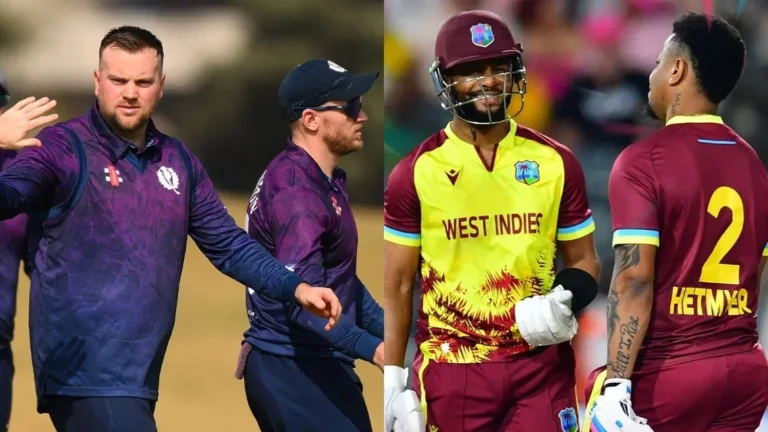

This article delves deep into the origins of the dispute, the proposed solutions, and the reactions from the Board of Control for Cricket in India (BCCI) as the tournament start date of February 7 looms large.

The Genesis of the Conflict: Why BCB Wants Out

The tension between the neighboring cricketing nations has been simmering, but it reached a boiling point just weeks ahead of the global showpiece. The BCB officially approached the ICC citing “security concerns” as the primary driver for their request to play their group stage matches in Sri Lanka rather than India.

However, the friction appears to be fueled by more than just general safety anxieties. A specific flashpoint cited in reports involves the treatment of Bangladeshi players in the Indian Premier League (IPL). The request to relocate matches was made shortly after Bangladesh’s premier speedster, Mustafizur Rahman, was released by the IPL franchise Kolkata Knight Riders (KKR). Reports suggest that this release followed advice from the BCCI, a move that likely antagonized the BCB and deepened the rift.

This mix of cricketing politics and cross-border tension has placed the ICC in an unenviable position: how to ensure the safety and comfort of a member nation without undermining the hosting rights of the BCCI.

The ICC’s Likely Verdict: The “Southern Solution”

Sources confirm that the ICC is expected to deliver its official response to the BCB between Tuesday and Monday of this week. While the BCB’s preference was a complete shift to Sri Lanka, insiders suggest the ICC is unlikely to accept a change of country. Shifting a substantial portion of the tournament to a different country at such short notice would be a logistical nightmare, involving visa re-issuances, broadcast calibration, and hotel bookings.

Instead, a “middle path” has emerged. Reports indicate that Chennai and Trivandrum are being considered as alternative venues.

Why Chennai and Trivandrum? The logic behind this potential proposal is strategic. The original schedule has Bangladesh playing three games in Kolkata and one in Mumbai.

  • Kolkata, being in West Bengal, shares a porous border and deep cultural ties with Bangladesh, but it is also often the epicenter of political sentiments regarding the neighbor.
  • Mumbai, the financial capital, has a history of political opposition to hosting certain neighboring teams in the past.

By moving the games to the southern part of India, the ICC may be hoping to place the Bangladesh team in a more “neutral” atmosphere, far removed from the immediate border tensions or the political hotbeds of the north and west.

The Original Schedule vs. The Proposed Shift

To understand the magnitude of this potential change, one must look at the current itinerary. Bangladesh is slated to have a heavy presence in Kolkata, a city that would typically guarantee them massive crowd support.

Current Schedule (Under Review):

  • Feb 7: vs West Indies (Kolkata)
  • Feb 9: vs Italy (Kolkata)
  • Feb 14: vs England (Kolkata)
  • Feb 17: vs Nepal (Mumbai)

If the “Southern Compromise” is enacted, these marquee fixtures—particularly the clash against defending champions England and the Caribbean powerhouse—would move to the humid, spin-friendly tracks of the M.A. Chidambaram Stadium in Chennai or the Greenfield International Stadium in Trivandrum. While this might mitigate security concerns, it would deprive the Tigers of playing in Kolkata, effectively their “home away from home.”

BCCI’s Reaction: The “Wait and Watch” Approach

Amidst the swirling rumors, the BCCI has maintained a diplomatic silence, insisting on following protocol. BCCI Secretary Devajit Saikia clarified that the Indian board has not yet received any official directive from the ICC regarding the venue shift.

“The BCCI has not received any communication regarding the matter of shifting Bangladesh matches to Chennai or anywhere else, and it is beyond our control. It is a matter of communication between the BCB and the ICC,” Saikia told IANS.

Saikia’s comments highlight the BCCI’s stance that this is primarily a dispute between the participating nation (Bangladesh) and the tournament organizers (ICC). However, he assured that if the ICC mandates a change, India is ready to adapt. “If the ICC conveys any decision to us regarding a change of venue, the BCCI, as the host, will take the necessary steps,” he added.

The Counter-Narrative: The Case of the Bangladeshi Umpire

While the BCB cites security fears, the ICC may have a strong counter-argument ready—one that is currently visible on the field.

Even as the debate rages, Bangladeshi officials are actively participating in cricket matches within India without incident. Sharfuddoula Saikat, a respected Bangladeshi umpire, officiated the ODI opener between India and New Zealand in Vadodara just this past Sunday. Furthermore, fellow official Gazi Sohel is also expected to join the officiating team for the World Cup.

The ICC is likely to use Saikat’s seamless involvement in international matches on Indian soil as a point of reference to de-escalate the situation. The argument is simple: if Bangladeshi officials are safe officiating in Vadodara, the national team should be safe playing in Kolkata or Chennai. This precedent significantly weakens the “security threat” narrative and bolsters the ICC’s push to keep the matches in India.

The Role of Government

This issue has transcended sports administration and entered the corridors of power. The BCB has explicitly stated that they do not make these decisions in isolation.

“As you may have guessed we don’t make the decisions for ourselves regarding the upcoming World Cup. We will be in consultation with the government,” said BCB official Aminul while speaking to reporters in Sylhet.

The Bangladesh government is reportedly seeking direct communication with the Indian government to assess security conditions. This government-to-government dialogue will likely be the final word. If the Indian government provides written security assurances—as is standard for major ICC events—it will be difficult for the BCB to refuse to play without risking sanctions or forfeiture of points.

Impact on Fans and Logistics

For the fans, this uncertainty is a nightmare. With the tournament starting on February 7, thousands of supporters from Dhaka and Chittagong would have likely planned trips to Kolkata, which is easily accessible by bus and train from Bangladesh. A shift to Chennai or Trivandrum would necessitate air travel, significantly increasing costs and likely reducing the number of traveling supporters.

Furthermore, the operational teams in Kolkata and Mumbai have likely already begun pitch preparations and security drills. A sudden shift to the South would require the BCCI to mobilize resources in Chennai and Trivandrum at breakneck speed.

Conclusion: A Test of Diplomacy

The next 48 hours are critical. The ICC’s reply, expected by Monday, will set the course for the tournament.

If the proposal to shift matches to Chennai and Trivandrum is accepted, it will be a victory for diplomacy—addressing Bangladesh’s concerns while protecting India’s hosting rights. However, if the BCB digs in its heels and demands Sri Lanka or nothing, the T20 World Cup could face a crisis before the first ball is even bowled.

For now, the cricketing world watches and waits, hoping that the action remains on the 22 yards and not in boardrooms.

Similar Posts

Leave a Reply

Your email address will not be published. Required fields are marked *