Rain Threatens India vs Pakistan T20 World Cup 2026: Complete Washout Rules Explained
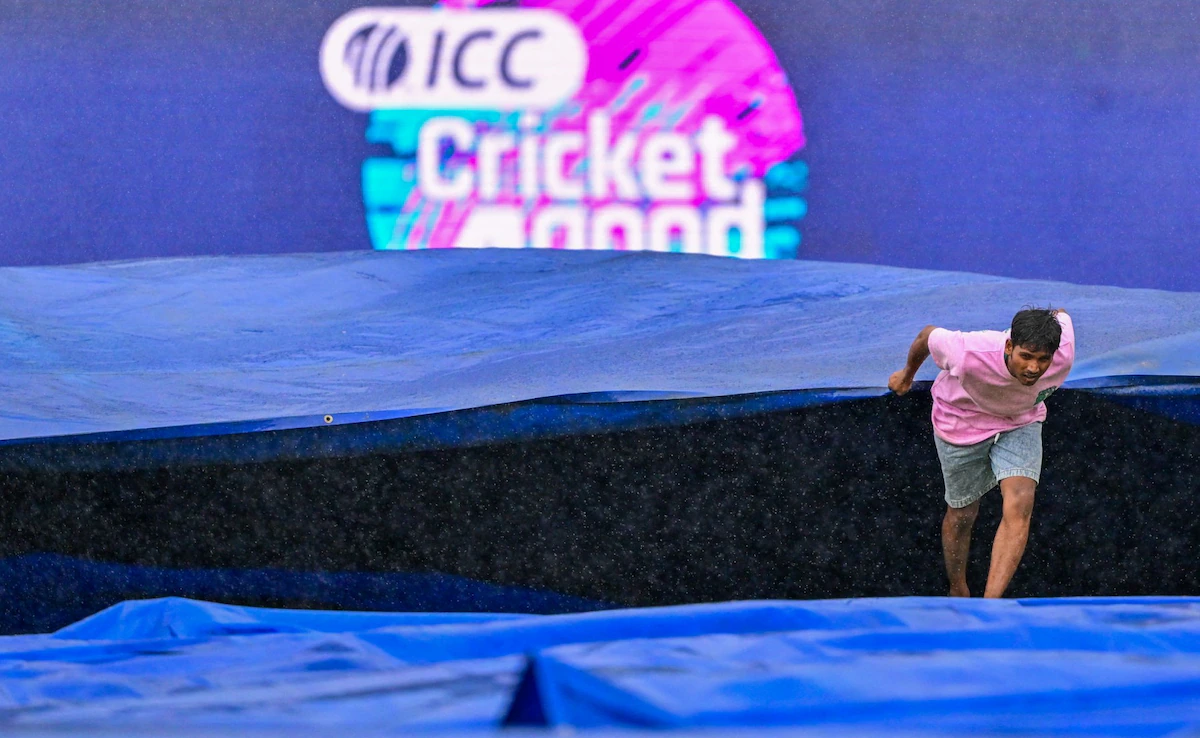
Cricket’s biggest rivalry faces an enemy neither team can defeat with bat or ball. Weather forecasts for Colombo on Sunday evening have sent fans into panic mode, with rain threatening to wash away the most anticipated match of the group stage. Just hours before the India-Pakistan showdown at R Premadasa Stadium, dark clouds are gathering both literally and figuratively, creating uncertainty around whether we’ll even see the contest happen.
The T20 World Cup 2026 has already delivered stunning upsets and breathtaking cricket, but Mother Nature might have the final say on Sunday’s blockbuster encounter. With no reserve day scheduled for group matches, even a brief downpour could force both teams to settle for a shared point rather than battle for supremacy.
Weather Forecast: Breaking Down the Rain Risk
Hour-by-Hour Precipitation Probability
AccuWeather’s latest forecast paints a concerning picture for cricket fans worldwide. Here’s exactly what the weather models are predicting for match day:
| Time (Local) | Rain Probability | Cloud Cover | Key Event |
|---|---|---|---|
| 6:00 PM | 49% | 100% | One hour before toss |
| 6:30 PM | Higher risk zone | 100% | Toss scheduled |
| 7:00 PM | 9% | 100% | Match start time |
| 8:00-11:00 PM | 9-13% | 100% | During match window |
The most dangerous window appears to be between 6:00 PM and 6:30 PM, precisely when teams would normally inspect conditions and conduct the toss. A 49% rain chance during this critical period could delay proceedings significantly or force match officials into difficult decisions.
Colombo will experience complete cloud cover throughout Sunday, with the evening showing roughly 13% precipitation probability during playing hours. While these numbers seem manageable, the unpredictable nature of tropical weather means conditions could deteriorate rapidly.
What Happens If Rain Washes Out the Match?
The Points Sharing Rule
Unlike knockout stages where reserve days and extra time are built into schedules, group matches operate under straightforward but potentially frustrating regulations. If persistent rain prevents any cricket from being played, both India and Pakistan will receive one point each.
This shared point scenario creates fascinating implications for the tournament points table and potential qualification scenarios.
Why No Reserve Day for Group Matches?
The ICC’s decision to exclude reserve days from group stage fixtures stems from logistical and scheduling realities:
- Tournament schedule would require significant extension
- Venue availability conflicts with other group matches
- Broadcasting commitments cannot accommodate uncertain dates
- Teams must adapt to weather as part of tournament challenge
While fans might find this frustrating, it reflects standard T20 World Cup protocol applied consistently across all participating nations.
Impact on Group A Standings and Qualification
How One Point Each Changes Everything
A washout wouldn’t just disappoint billions of fans – it would reshape Group A dynamics completely. Here’s what a shared point scenario means for both teams:
For India:
- Currently positioned strongly in the group
- One point maintains steady progression toward knockout stages
- Reduces margin for error in remaining group fixtures
- Potential net run rate advantages remain unexploited
For Pakistan:
- Escapes must-win pressure of facing India
- Shares points with tournament favorites
- Must compensate in other group matches
- Group stage qualification becomes more complicated
The group stage composition means every point carries enormous weight. Teams finishing third or fourth face elimination, making weather-affected results potentially tournament-defining.
DLS Method: The Last Hope Against Rain
Understanding Duckworth-Lewis-Stern System
If rain interrupts play after the match begins, the Duckworth-Lewis-Stern method becomes cricket’s mathematical savior. This complex formula calculates revised targets based on:
- Overs lost to rain interruptions
- Wickets fallen before interruption
- Resources remaining for both teams
- Par scores at any given stage
Minimum Overs Required for Result
For a T20 World Cup group match to produce an official result:
| Innings | Minimum Overs Required |
|---|---|
| First Innings | 5 overs minimum |
| Second Innings | 5 overs minimum |
If both teams cannot complete at least five overs each, the match is declared abandoned regardless of any runs scored, and both teams share one point.
Players’ Perspective: Managing Rain Uncertainty
Ishan Kishan’s recent comments reveal how players mentally prepare for cricket’s biggest stage while accepting factors beyond their control.
“Pakistan clash, obviously, it would be a special one for everyone. So we’re not just thinking so much about the future game. But yeah, once we get there, we look at the wicket, and we have an idea of what sort of match is going to happen and what will be a good total, and we’ll just play accordingly,” Kishan explained.
This measured approach suggests India’s team management is preparing for multiple scenarios including weather interruptions.
Historical Context: Rain-Affected India-Pakistan Encounters
Weather has crashed cricket’s greatest party before. Previous India-Pakistan encounters affected by rain have left fans frustrated and tournament organizers scrambling for solutions.
The shared memory of abandoned matches makes Sunday’s weather forecast particularly nerve-wracking for supporters of both nations who’ve waited years for this tournament clash.
What Match Officials Will Monitor
Critical Decision Points
The match referee and umpires will closely watch several factors before and during the match:
- Ground conditions and outfield drainage capability
- Forecast updates in real-time
- Player safety on potentially slippery surfaces
- Adequate light conditions for safe play
- Crowd management and safety considerations
R Premadasa Stadium’s drainage system is considered among the better facilities in the region, but heavy tropical downpours can overwhelm even the best infrastructure.
Contingency Planning and Communication
Tournament organizers have established clear protocols for weather-affected scenarios to ensure transparency and proper fan communication. The official tournament schedule includes buffer time for rain delays, though not full reserve days.
Fans attending the stadium should prepare for potential delays by:
- Arriving early to secure covered seating if possible
- Bringing weather protection gear
- Staying updated through official channels
- Understanding refund policies for abandoned matches
The Bigger Picture: Tournament Progression
While a washout would disappoint billions, both teams must maintain perspective about tournament longevity versus single-match glory. Qualification for knockout stages remains the ultimate objective, and one shared point doesn’t eliminate either team from contention.
The competing teams in Group A are watching weather forecasts as closely as India and Pakistan fans, knowing that any points dropped to rain could benefit their own qualification chances.
Frequently Asked Questions
What happens if the India vs Pakistan T20 World Cup match gets rained out? If rain prevents any play from occurring, both India and Pakistan will receive one point each. No reserve day is scheduled for group stage matches.
How many overs are needed for a result in T20 World Cup matches? Each team must complete a minimum of 5 overs for the match to produce an official result. If this threshold isn’t met, the match is abandoned.
Is there a reserve day for the India-Pakistan T20 World Cup match? No, reserve days are only allocated for semi-finals and the final. All group stage matches, including India vs Pakistan, have no reserve day provision.
What is the rain forecast for India vs Pakistan match in Colombo? AccuWeather predicts 100% cloud cover with 49% rain chance at 6 PM (one hour before match), dropping to 9-13% during match hours from 7-11 PM local time.
How does DLS method work if rain interrupts the match? The Duckworth-Lewis-Stern method recalculates targets based on overs lost, wickets fallen, and resources remaining, ensuring fairness when rain reduces playing time.
What time does the India vs Pakistan match start? The match is scheduled to start at 7:00 PM local time in Colombo, with the toss at 6:30 PM on Sunday, February 15, 2026.
Will weather spoil cricket’s greatest rivalry, or will we witness another classic India-Pakistan battle? Stay updated with live coverage and real-time weather updates as match day approaches.