Jay Shah Under Fire: Pakistan’s T20 World Cup Boycott Threatens $38M Lawsuit
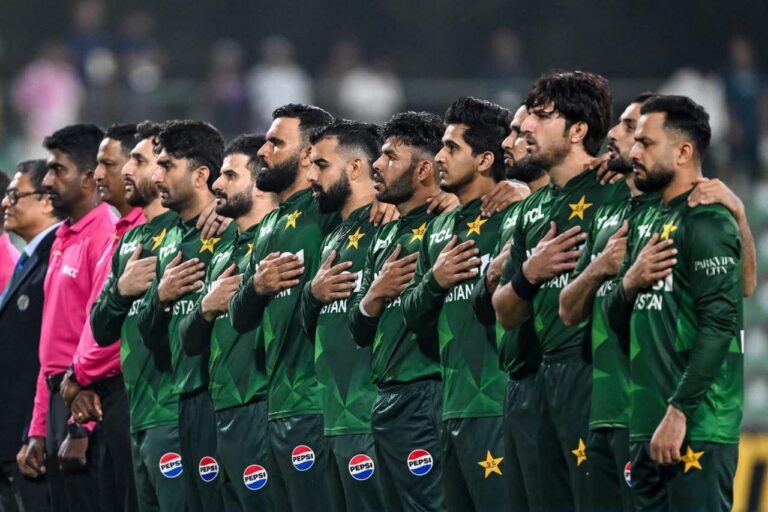
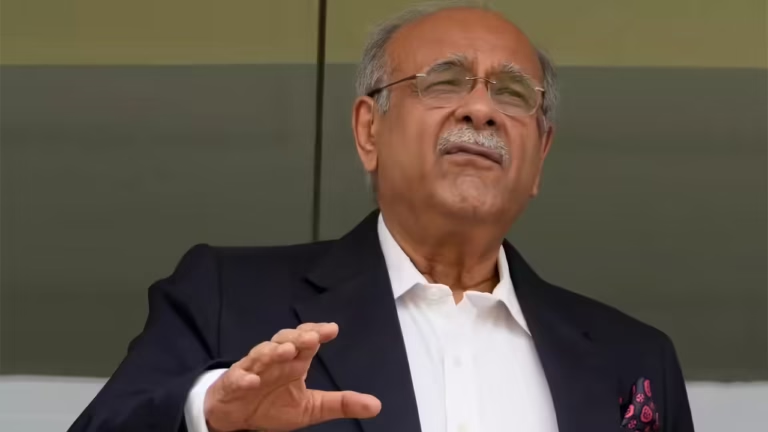
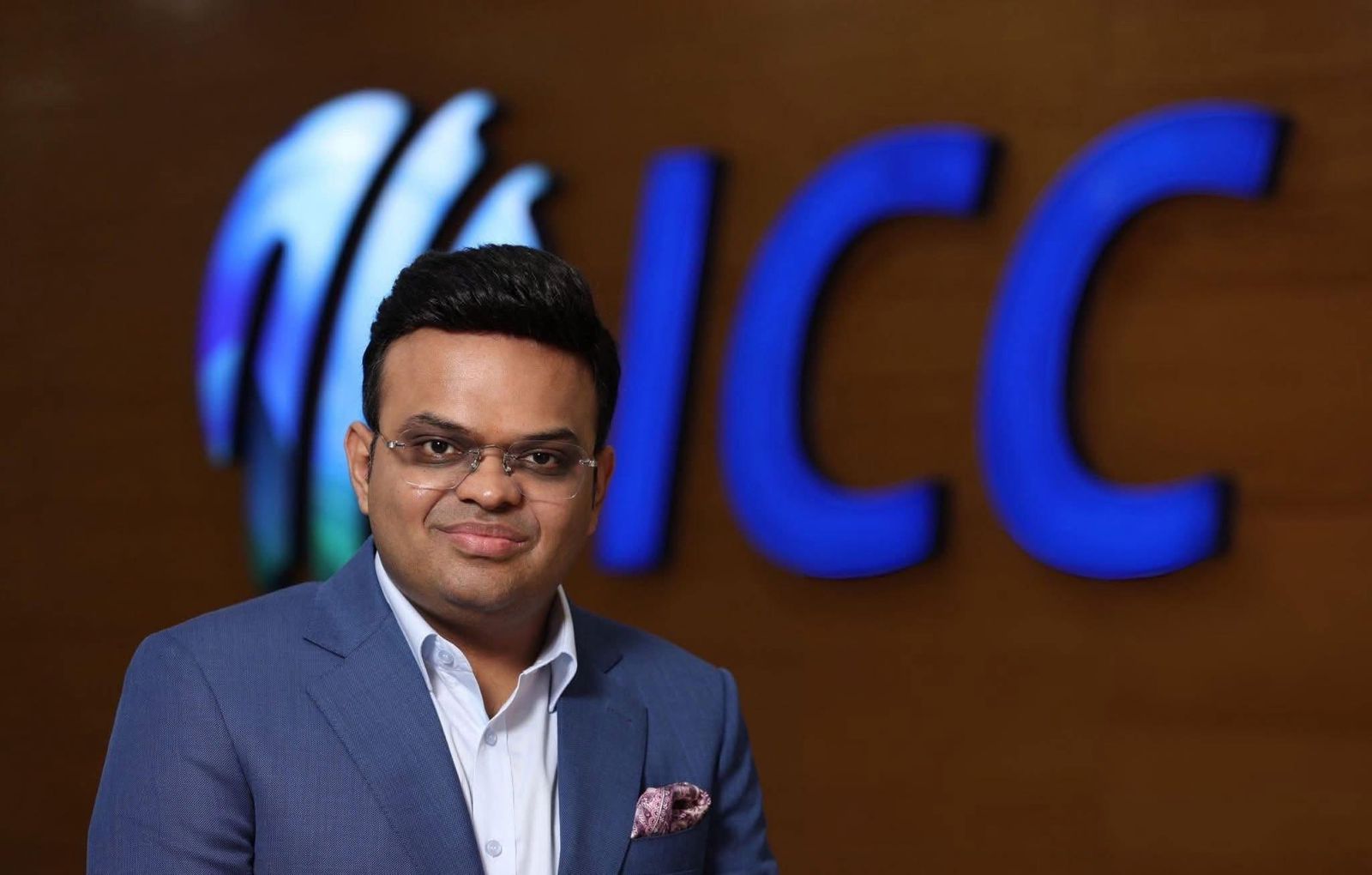
BCCI secretary Jay Shah is living through a nightmare scenario right now. Behind closed doors, he’s been desperately calling PCB officials, practically begging Pakistan not to pull out of the T20 World Cup. Why? Because broadcasters are threatening legal warfare, and the financial damage could reach a staggering $38 million if Pakistan actually boycotts the tournament.
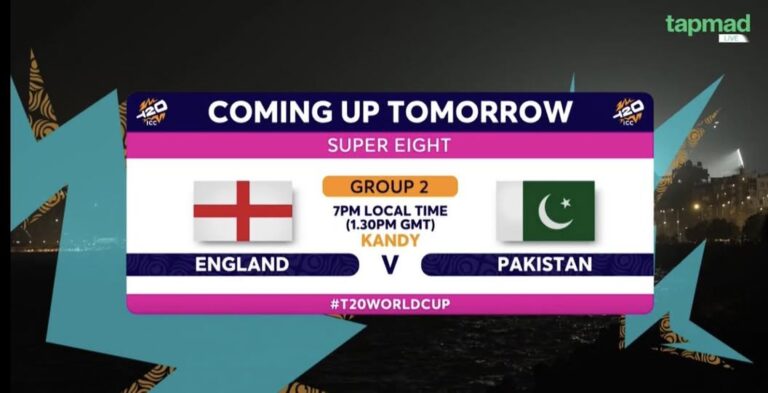
This isn’t just cricket politics anymore. It’s turned into a full-blown business crisis that could shake the foundations of the upcoming T20 World Cup 2026 scheduled for February 7 in India and Sri Lanka. Shah finds himself caught between furious broadcasters, stubborn cricket boards, and the massive commercial expectations riding on this tournament.

The Broadcaster Ultimatum: Pay Up or Face Court
Here’s where things get messy. Broadcasters who paid enormous sums for T20 World Cup rights are now panicking. They bought these rights with one massive assumption—that Pakistan would participate. Without Pakistan’s matches, especially the high-voltage India vs Pakistan clash, viewership projections collapse entirely.
The math is brutal and simple:
| Impact Category | Estimated Loss |
|---|---|
| Viewership Drop | 40-50% decline without Pakistan |
| Sponsorship Revenue | $15-20 million hit |
| Advertising Rates | 60% reduction for non-Pakistan matches |
| Legal Damages | $38 million potential lawsuit |
Broadcasters aren’t bluffing either. They’re telling both ICC and BCCI that if Pakistan withdraws, they’ll immediately file lawsuits claiming breach of contract. Their argument? They paid premium prices expecting Pakistan’s participation, and removing that element fundamentally changes the product they purchased.
Why Pakistan Is Considering a Boycott
Pakistan’s potential withdrawal didn’t come out of nowhere. The PCB has been frustrated for months over several issues that have created this standoff situation.
Key reasons behind Pakistan’s boycott threat:
- Champions Trophy hosting dispute: India refused to travel to Pakistan for the 2025 Champions Trophy, forcing a hybrid model
- Reciprocity demands: PCB wants the same hybrid arrangement for World Cups hosted by India
- Political tensions: Ongoing diplomatic issues between the nations complicate cricket decisions
- Respect concerns: Pakistan feels disrespected by India’s constant refusal to play in their country
PCB chairman Mohsin Naqvi has been vocal about his frustration. Pakistan hosted the 2025 Champions Trophy mostly in the UAE due to India’s refusal to travel, and now they’re expected to quietly show up in India for the T20 World Cup? That’s the double standard fueling this crisis.
Jay Shah’s Impossible Position
Shah is trapped in the middle, getting squeezed from every direction. As BCCI secretary and the newly appointed ICC chairman-elect, he’s responsible for making this tournament work. But his options are extremely limited.
On one side, broadcasters are threatening financial destruction. On the other side, Pakistan is demanding respect and consistency. Meanwhile, the Indian government hasn’t shown any flexibility on allowing India to play in Pakistan, creating a diplomatic deadlock Shah can’t resolve alone.
Shah’s Crisis Management Tactics
| Approach | Status | Success Probability |
|---|---|---|
| Direct PCB negotiations | Ongoing | Medium |
| Broadcaster damage control | Active | Low |
| ICC intervention | Pending | Low |
| Government mediation | Not started | Very Low |
Shah’s constant contact with PCB officials shows he understands the stakes. He’s trying diplomatic solutions, offering assurances, and probably making promises behind the scenes. But will it work? The timeline is getting dangerously short.
The $38 Million Question: Can Broadcasters Actually Win?
Legal experts suggest broadcasters might have a solid case. When companies purchase media rights for tournaments, contracts typically include clauses about participating teams. If a major team like Pakistan—one that drives massive viewership—withdraws, it materially affects the value of those rights.
The $38 million figure isn’t random. It likely represents:
- Lost advertising revenue from Pakistan matches
- Reduced subscription income due to lower viewer interest
- Compensation for diminished tournament value
- Legal costs and damages
Broadcasters paid billions collectively for cricket rights over multiple years. Losing Pakistan from a major ICC tournament genuinely impacts their return on investment. Their threat of legal action carries real weight.
What Happens If Pakistan Actually Pulls Out?
The consequences would extend far beyond just one tournament. If Pakistan boycotts, the entire cricket ecosystem faces serious damage:
Immediate effects on the tournament:
- Tournament schedule would need emergency restructuring
- Group stage dynamics completely change with one fewer team
- Replacement team debate creates qualification controversy
- Ticket sales for expected Pakistan matches face refund demands
Long-term cricket politics damage:
- India-Pakistan bilateral series hopes die permanently
- Future ICC tournament planning becomes impossible
- Sponsors lose confidence in cricket’s stability
- Other nations might use boycott threats as leverage
The India-Pakistan Match: The Real Money Maker
Let’s be honest about what drives these broadcaster fears. The India vs Pakistan match isn’t just another game—it’s the single biggest revenue generator in cricket. Viewership numbers for India-Pakistan matches dwarf everything else:
- 400+ million viewers globally for India-Pakistan World Cup matches
- 10x higher advertising rates compared to other matches
- Social media engagement breaks records every time
- Sponsorship activations centered around this fixture
Without this match, the entire tournament’s commercial value drops dramatically. Broadcasters structured their entire sales strategy around this fixture existing. Remove it, and their business model collapses.
PCB’s Leverage: Stronger Than Expected
Pakistan holds more cards than people realize. They know broadcasters desperately need them. They understand India-Pakistan matches generate insane revenue. And they’re tired of accepting unfair treatment while being expected to show up whenever India hosts tournaments.
This gives PCB genuine negotiating power. They can demand concessions, force policy changes, or actually follow through with the boycott threat. Jay Shah knows this, which explains his frantic diplomacy efforts.
Frequently Asked Questions
Q1: Will Pakistan actually boycott the T20 World Cup 2026?
It’s possible but not certain. Pakistan is using the boycott threat as leverage to demand fair treatment in future tournaments.
Q2: How much could broadcasters sue for if Pakistan withdraws?
Reports suggest around $38 million in damages, covering lost viewership and reduced commercial value.
Q3: Can the tournament happen without Pakistan?
Yes, but it would be significantly diminished in terms of viewership, revenue, and global interest.
Q4: What is Jay Shah doing to prevent the boycott?
He’s maintaining constant contact with PCB officials, negotiating behind the scenes to find a compromise solution.
Q5: Why is Pakistan threatening to boycott?
Frustration over India’s refusal to play in Pakistan while expecting Pakistan to participate in India-hosted events.
Q6: When will Pakistan make a final decision?
Likely within the next week, as the tournament begins February 7 and logistics need finalization.
What Happens Next?
The clock is ticking. With the T20 World Cup starting in just days, decisions need to happen immediately. Jay Shah is working overtime to prevent a disaster that could cost tens of millions and permanently damage cricket’s commercial credibility.
Pakistan holds the leverage. Broadcasters hold the threat. Shah holds the responsibility. Something has to give, and it has to give soon.
If Pakistan boycotts, cricket loses its biggest rivalry. If broadcasters sue, cricket’s financial stability faces serious questions. If Shah fails to resolve this, his leadership gets questioned before he even officially becomes ICC chairman.
This is more than a boycott threat. It’s a crisis that could reshape how international cricket operates for years to come. And right now, nobody knows how it ends.