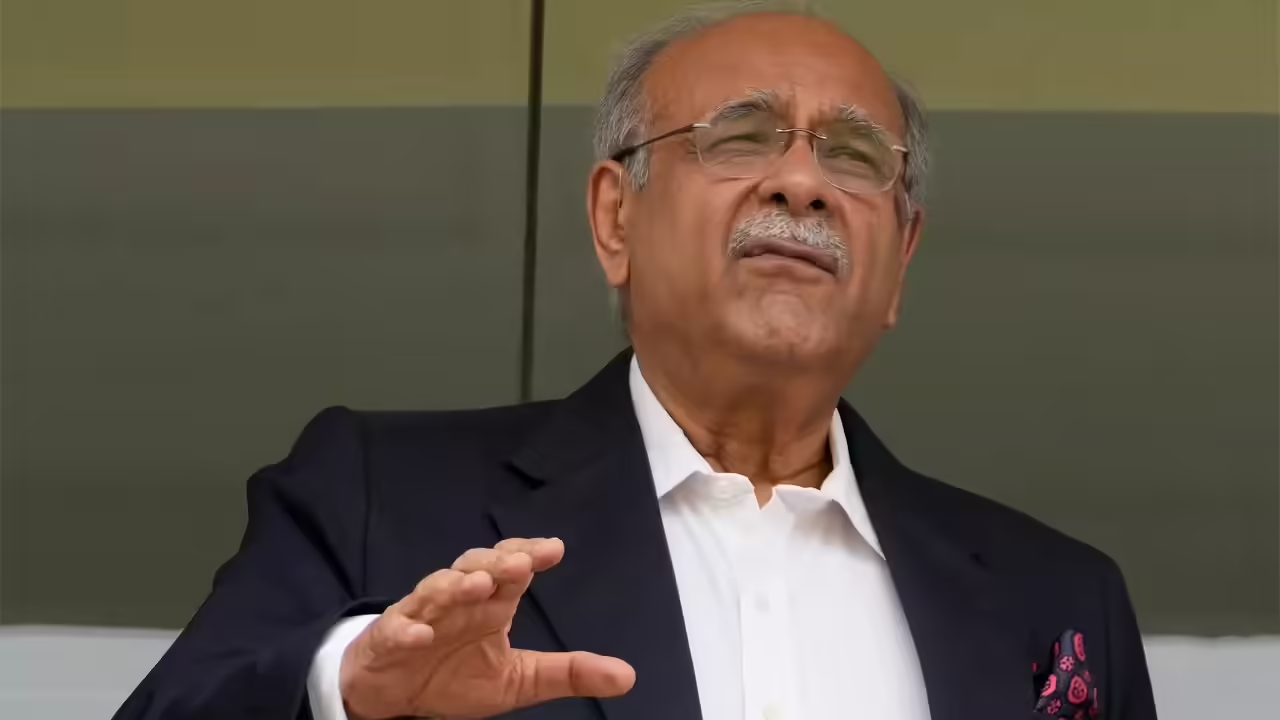
Najam Sethi: Pakistan Gave Afghanistan Full Revenue, Yet They Always Support BCCI
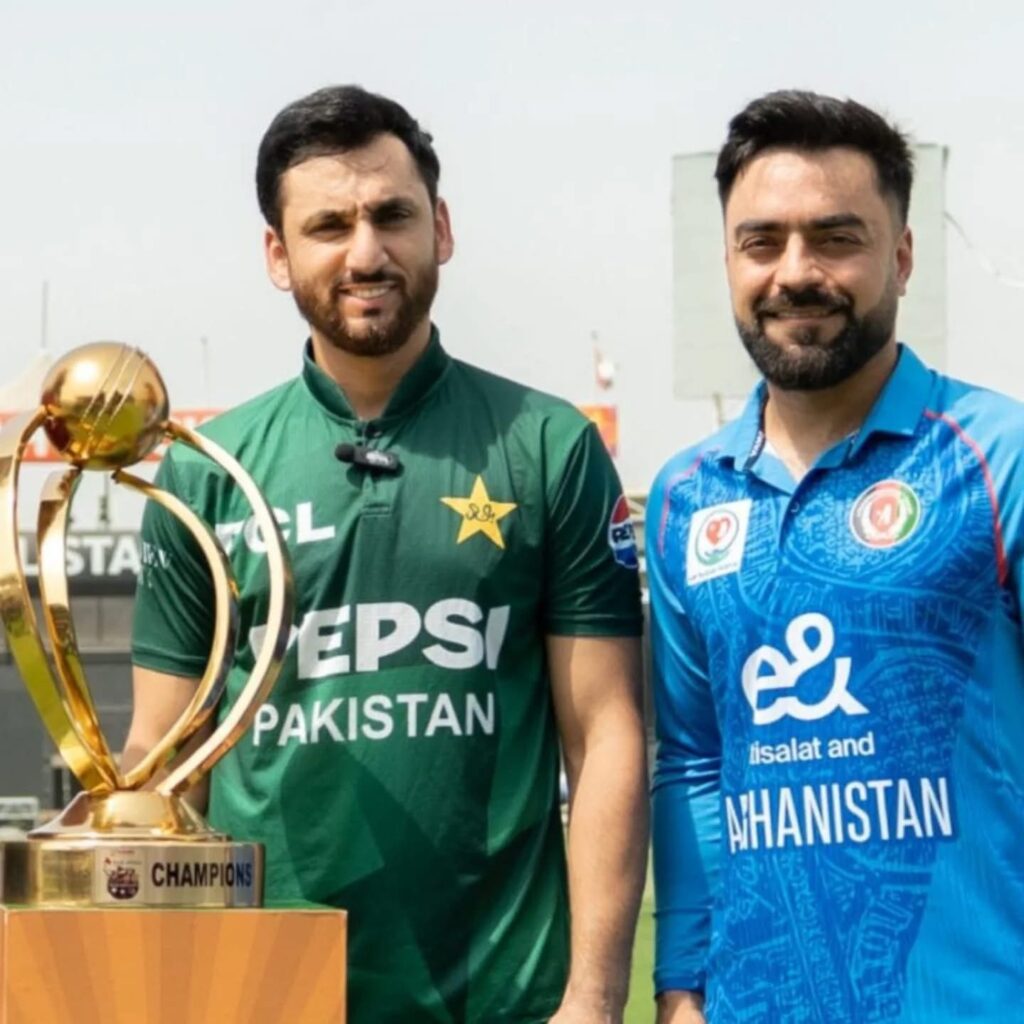
Former PCB Chairman Najam Sethi has dropped a bombshell revelation about cricket politics, exposing how Pakistan helped Afghanistan financially by playing a T20I series and giving them all the revenue after ACB pleaded poverty, yet Afghanistan consistently supports India’s BCCI in ICC meetings. This explosive claim sheds light on the complex regional cricket politics affecting the T20 World Cup 2026 and broader international cricket governance.
Najam Sethi’s Revelation Summary
| Claim Component | Details | Significance |
|---|---|---|
| Afghanistan’s Request | “We don’t have money” plea to Pakistan | ACB approached PCB for financial help |
| Pakistan’s Response | Played T20I series in Sharjah | PCB agreed to help neighbors |
| Revenue Sharing | Gave Afghanistan ALL the money | Complete financial sacrifice by Pakistan |
| Afghanistan’s Loyalty | Always supports BCCI in ICC meetings | Sides with India despite Pakistan’s generosity |
| Sethi’s Tone | Disappointed, revealing ingratitude | Exposing cricket politics hypocrisy |
The Sharjah Series: Pakistan’s Generosity
Sethi’s comments reference a specific bilateral series where Pakistan made significant financial sacrifices to help Afghanistan:
Series Details
When: Recent years (exact date to be confirmed based on records)
Where: Sharjah, UAE (neutral venue convenient for both teams)
Format: T20 International series
Background: Afghanistan Cricket Board approached Pakistan claiming financial difficulties
Pakistan’s Decision: Agreed to play series and forgo all revenue
Financial Arrangement: 100% of series revenue went to Afghanistan
Afghanistan’s Benefit: Crucial funds for cricket development and operations
Why This Was Significant
| Aspect | Impact |
|---|---|
| Financial Scale | Series generates millions through broadcasting, tickets, sponsors |
| Pakistan’s Sacrifice | PCB gave up substantial revenue it needed |
| Regional Solidarity | Demonstrated support for neighboring cricket nation |
| Development Aid | Helped Afghanistan build their cricket infrastructure |
| Goodwill Gesture | Expected to build long-term regional cricket alliance |
Pakistan’s Perspective: This was seen as helping a struggling cricket nation develop, with expectations of regional cricket unity and mutual support in international forums.
Afghanistan’s ACB Response to Pakistan’s Help
According to Sethi, despite this generous financial assistance:
Request Made: ACB specifically approached PCB saying “we don’t have money”
Help Received: Complete series revenue handed over by Pakistan
Expected Gratitude: Natural assumption of future support or neutrality
Actual Behavior: Consistently voting with India’s BCCI in ICC meetings
Pakistan’s Disappointment: Feeling betrayed after significant financial sacrifice
The BCCI-ACB Alliance in ICC
Sethi’s revelation highlights Afghanistan’s consistent support for India in cricket governance:
ICC Meeting Dynamics
India’s Dominance: BCCI is cricket’s financial powerhouse with enormous influence
Voting Blocs: ICC decisions often split along political/regional lines
Afghanistan’s Position: Despite geography, sides with India over Pakistan
Pakistan’s Isolation: Regional neighbor supporting rival in governance battles
Revenue Distribution: Votes on ICC revenue sharing where BCCI-PCB interests clash
Key ICC Issues Where Afghanistan Backed BCCI
Revenue Sharing Models: Supporting structures favoring India’s “Big Three” position
Tournament Hosting: Backing India’s bids and preferences
Bilateral Cricket Resumption: Not supporting Pakistan’s push for India-Pakistan series
Governance Reforms: Aligning with BCCI’s vision over PCB’s interests
Asia Cup Decisions: Supporting India’s positions in Asian cricket administration
The irony isn’t lost on Pakistan: the same Afghanistan that needed financial help consistently votes against Pakistan’s interests when it matters in the tournament governance.
Why Does Afghanistan Support BCCI?
Several factors explain Afghanistan’s ICC voting patterns despite Pakistan’s generosity:
Strategic Considerations
Financial Reality: India offers potentially larger long-term financial opportunities
Cricket Development: BCCI can provide more extensive development assistance
Playing Opportunities: More lucrative to maintain good relations with India
IPL Access: Afghan players’ IPL participation worth millions
Broadcasting Deals: Indian market more valuable for Afghanistan’s cricket economy
Political Calculations: Complex regional politics beyond just cricket
Long-term Thinking: Betting on India’s sustained cricket dominance
The Numbers Game
| Support Source | Pakistan Offers | India Offers |
|---|---|---|
| Immediate Help | Series revenue (one-time) | IPL contracts (ongoing) |
| Player Earnings | Limited domestic cricket | Multi-million IPL deals |
| Infrastructure | Regional support | Potential BCCI investment |
| Market Access | Smaller market | Billion-viewer Indian market |
| Political Power | Declining influence | Growing ICC dominance |
Cold Reality: Despite Pakistan’s generosity, Afghanistan’s cricket leadership may calculate that long-term interests align better with India.
Najam Sethi’s Credibility
Understanding who’s making these claims adds important context:
Sethi’s Background
Role: Former PCB Chairman with inside knowledge
Tenure: Led Pakistan cricket during critical periods
Experience: Deep understanding of ICC politics and regional dynamics
Reputation: Known for candid, sometimes controversial statements
Motivations: Defending Pakistan’s interests, highlighting perceived ingratitude
Platform: Public statements carry weight due to his position
Timing: Comments come amid current Pakistan-India World Cup crisis
Broader Context: Regional Cricket Politics
This revelation connects to larger patterns in South Asian cricket administration:
Pakistan-India Rivalry: Extends beyond field to every governance aspect
Regional Alliances: Shifting loyalties based on financial and political calculations
Small Board Survival: Afghanistan, Bangladesh navigating between cricket giants
ICC Power Dynamics: “Big Three” influence versus smaller boards’ autonomy
Financial Dependency: Money often determines voting patterns and alliances
The current tournament is playing out against this complex political backdrop.
Pakistan’s Perspective: Betrayal or Business?
From Pakistan’s viewpoint, Afghanistan’s behavior represents:
Financial Ingratitude: Taking help when needed, then siding with rivals
Regional Disloyalty: Geographic neighbors should support each other
Shortsighted Thinking: Damaging relations with immediate neighbor for distant benefits
Political Calculation: Afghanistan choosing India’s power over Pakistan’s proximity
Hypocrisy Exposed: Revealing gap between public friendship and ICC voting
Afghanistan’s Possible Defense
From Afghanistan’s perspective, several counter-arguments exist:
Business Not Personal: ICC votes based on Afghanistan’s cricket interests, not gratitude
Survival Strategy: Small board must align with strongest cricket power (India)
Player Welfare: IPL opportunities crucial for Afghan cricketers’ livelihoods
Long-term Vision: Sustainable development requires India relationship
Different Issues: Series revenue and ICC governance are separate matters
Pragmatic Reality: Gratitude doesn’t pay bills or build cricket infrastructure
Impact on Current World Cup Crisis
Sethi’s revelation adds fuel to the Pakistan-India tensions dominating the group stage:
Trust Issues: Reinforces Pakistan’s feeling of isolation in cricket politics
India’s Influence: Demonstrates BCCI’s ability to secure support even from Pakistan’s neighbors
Regional Tensions: Highlights fractures in South Asian cricket unity
Bargaining Positions: Affects how Pakistan approaches current ICC negotiations
Historical Grievances: Adds to Pakistan’s list of complaints about cricket governance
Lessons for Cricket Diplomacy
This situation illustrates several realities about international cricket:
Money Talks: Financial power ultimately determines alliances
Gratitude Expires: Yesterday’s help doesn’t guarantee tomorrow’s support
Strategic Interests: Boards vote their interests, not their friendships
Power Dynamics: Smaller boards align with strongest, not nearest
Regional Politics: Geography doesn’t guarantee cricket solidarity
For updates on how these political dynamics affect the points table and tournament outcomes, follow the ongoing developments.
Frequently Asked Questions
What did Najam Sethi reveal about Afghanistan? Former PCB chief Najam Sethi revealed Afghanistan approached Pakistan saying “we don’t have money,” Pakistan played a series giving them all revenue, yet Afghanistan always supports BCCI in ICC meetings.
When did Pakistan give Afghanistan series revenue? Pakistan played a T20I series with Afghanistan in Sharjah and gave them the complete revenue after ACB requested financial help due to money shortage.
Why does Afghanistan support BCCI despite Pakistan’s help? Afghanistan likely supports BCCI because of larger financial opportunities, IPL access for players, India’s stronger market, and strategic calculations about long-term cricket development benefits.
Who is Najam Sethi? Najam Sethi is a former Pakistan Cricket Board chairman with extensive experience in cricket administration and deep knowledge of ICC politics and regional dynamics.
How does this affect Pakistan-India World Cup relations? This revelation adds to Pakistan’s grievances about cricket politics, reinforcing feelings of isolation and strengthening their negotiating position in current ICC discussions.
Is Afghanistan’s position in ICC meetings justified? From Afghanistan’s perspective, voting based on their cricket interests rather than past financial favors is business pragmatism; from Pakistan’s view, it’s ingratitude after significant help.