Pak vs India Match Update: Final Decision Expected Within 48 Hours
Breaking developments in the Pakistan-India crisis as a final decision on the T20 World Cup match is expected within 48 hours, pending crucial government approval. The PCB has successfully put the ICC on the back foot with demands for bigger revenue share and enforcement of handshake protocols. A decisive meeting tomorrow between PM Shahbaz Sharif and PCB Chairman Mohsin Naqvi will determine whether Pakistan participates in the high-stakes encounter that could make or break the T20 World Cup 2026.
Critical 48-Hour Timeline
| Timeline | Event | Significance |
|---|---|---|
| Tomorrow | PM Shahbaz Sharif meets Mohsin Naqvi | Final government decision on participation |
| Within 48 Hours | Official announcement expected | Pakistan’s tournament participation confirmed or denied |
| Today | ICC Deputy Chairman in Lahore | Ongoing negotiations with PCB |
| Outcome | Match proceeds or boycott | Determines World Cup’s financial viability |
The clock is ticking as cricket’s biggest crisis reaches its climax. The next two days will determine not just one match but potentially the entire tournament’s fate.
The PM-PCB Chairman Meeting
Tomorrow’s meeting between Prime Minister Shahbaz Sharif and PCB Chairman Mohsin Naqvi represents the decisive moment in this escalating drama:
Why Government Approval is Required
Political Sensitivity: India-Pakistan cricket matches carry immense political weight beyond just sport.
National Interest: The government must balance cricket interests with broader diplomatic considerations.
Public Opinion: Billions of South Asian cricket fans are watching how their governments handle this crisis.
Precedent Setting: Whatever decision emerges will influence future India-Pakistan cricket encounters.
Security Concerns: Government must evaluate security implications of any decision.
This government-level involvement shows how cricket decisions in South Asia transcend sport, becoming matters of national policy requiring prime ministerial approval.
Pakistan’s Demands – Current Status
The PCB has successfully leveraged its position to extract major concessions from the ICC:
Revenue Share Restructuring
| Demand | Status | ICC Response |
|---|---|---|
| Higher ICC Revenue | Under negotiation | ICC showing flexibility |
| Pakistan’s Justification | India-Pakistan matches are biggest revenue generators | Acknowledged by ICC |
| Current Share | Lower than “Big Three” boards | Being reevaluated |
| Target Share | Proportional to commercial contribution | Under discussion |
PCB’s Argument: Since Pakistan-India fixtures generate disproportionate revenue with 300-400 million viewers, Pakistan deserves compensation reflecting this commercial reality.
ICC’s Position: The governing body appears willing to discuss revenue restructuring to ensure Pakistan’s continued participation.
Handshake Protocol Enforcement
Pakistan’s Concern: Recent encounters have seen inconsistent on-field courtesies between Indian and Pakistani players.
Sportsmanship Issue: PCB demands ICC enforcement of basic protocols including mandatory post-match handshakes.
Cultural Significance: Handshakes symbolize respect for opponents and the game’s spirit.
ICC’s Challenge: Enforcing behavioral standards that touch on deeply political sensitivities.
This demand highlights how cricket fields have become stages for broader geopolitical tensions, with participating teams caught in the middle.
How PCB Put ICC on Back Foot
Mohsin Naqvi’s strategic maneuvering has successfully shifted negotiating leverage:
Strategic Moves
Timing: Raising demands close to tournament start maximizes pressure on ICC.
Commercial Leverage: Highlighting the financial impact of Pakistan’s absence strengthens bargaining position.
Regional Support: BCB President’s presence in Lahore shows broader cricket board sympathy.
Home Ground Advantage: Hosting negotiations in Lahore controls the environment and optics.
Government Backing: PM involvement signals Pakistan’s seriousness and national-level support.
Media Management: Controlled information release keeps public and stakeholders engaged.
ICC’s Predicament
Financial Exposure: $400-600 million potential loss if Pakistan withdraws.
Credibility Risk: A major board’s withdrawal would undermine tournament legitimacy.
Scheduling Chaos: Late changes create logistical nightmares for all group stage participants.
Precedent Concerns: Major concessions now could trigger similar demands from other boards.
Time Pressure: Tournament approaches rapidly, limiting negotiation flexibility.
The Boycott Question
Tomorrow’s PM-PCB meeting will directly address whether Pakistan boycotts the India match:
Arguments For Boycott
National Pride: Standing firm on principles of fair revenue distribution and sportsmanship.
Bargaining Power: Demonstrates Pakistan’s willingness to sacrifice short-term for long-term gains.
Political Pressure: Domestic opinion may favor strong stance against perceived disrespect.
Precedent Setting: Establishes Pakistan won’t participate under unacceptable conditions.
Arguments Against Boycott
Cricket Fans: Disappointing billions who eagerly await this encounter.
Financial Loss: Pakistan also loses revenue from non-participation.
Sporting Opportunity: Denies Pakistani players chance to compete on cricket’s biggest stage.
International Relations: Could damage Pakistan cricket’s global standing.
Tournament Impact: Would be unprecedented for a major board to boycott World Cup match.
The PM-PCB meeting must weigh these competing considerations before announcing Pakistan’s final position.
What Happens if Pakistan Boycotts?
A Pakistan boycott would trigger cascading consequences:
Immediate Impact
| Area | Consequence |
|---|---|
| Match Result | India awarded walkover victory |
| Points Table | Pakistan starts with 0 points, massive NRR disadvantage |
| Tournament Credibility | Severely damaged |
| Financial Impact | $400-600 million lost revenue |
| Fan Reaction | Outrage from cricket lovers globally |
Long-term Implications
Future India-Pakistan Cricket: Could freeze encounters indefinitely beyond just bilateral series.
ICC Governance: Might trigger fundamental restructuring of revenue distribution and decision-making.
Regional Cricket: Would affect Bangladesh, Sri Lanka, and other South Asian boards economically.
World Cup Planning: Future tournaments might exclude or modify India-Pakistan groupings.
Pakistan’s Negotiating Strength
The PCB holds several powerful cards in these negotiations:
Commercial Reality: India-Pakistan matches are cricket’s biggest money-makers.
Government Support: PM involvement shows national backing for PCB’s stance.
Regional Sympathy: Other cricket boards understand revenue distribution concerns.
Fan Support: Pakistani public largely supports PCB’s demands for respect and fair treatment.
Timing Advantage: Last-minute crisis gives Pakistan maximum leverage.
ICC’s Response Strategy
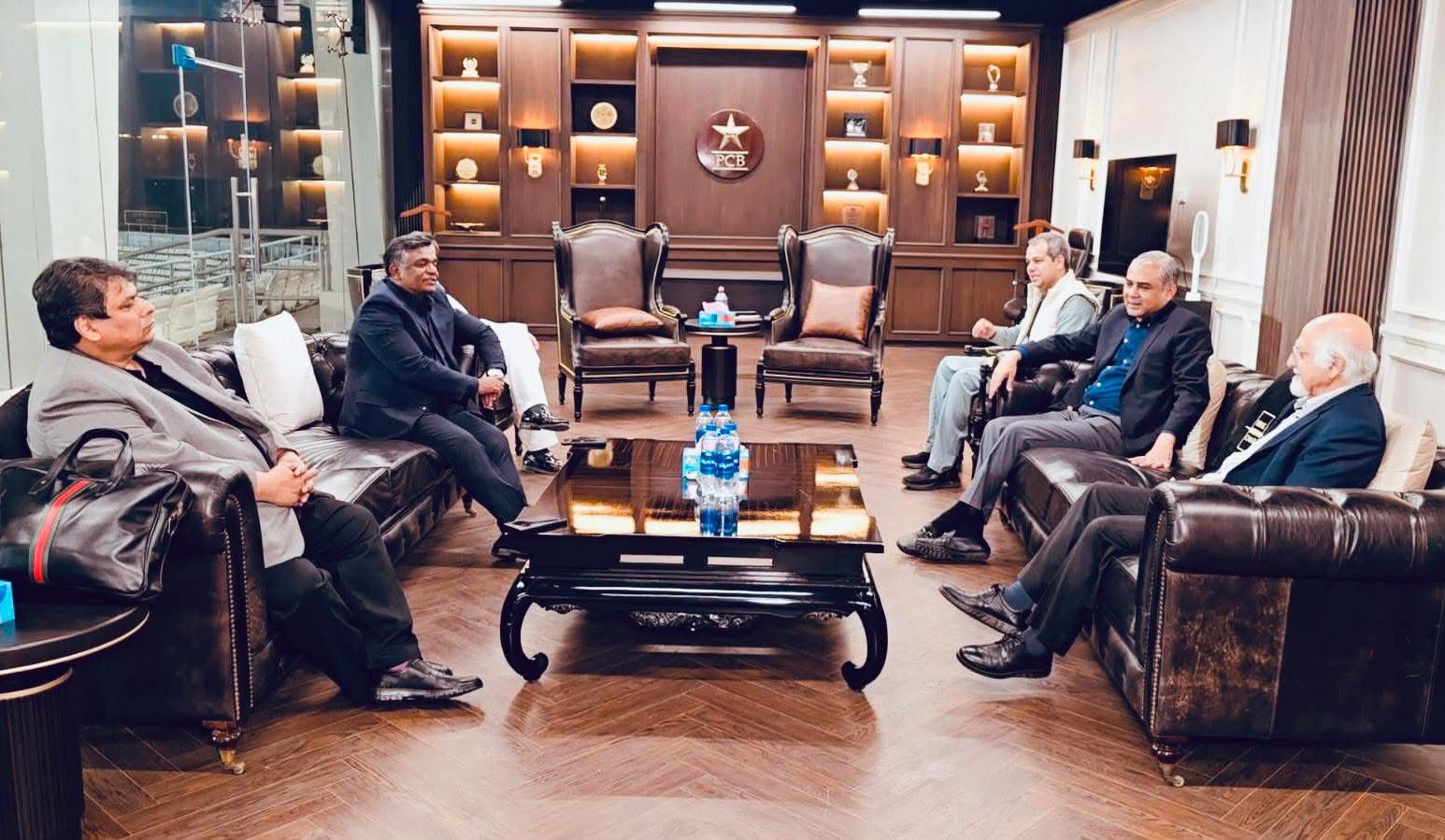
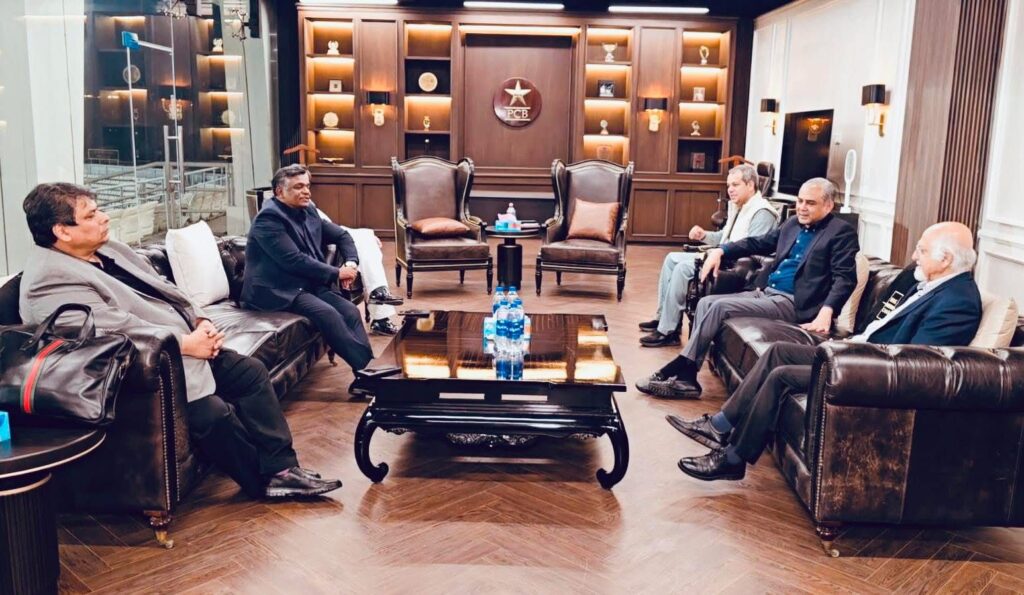
The ICC has deployed its Deputy Chairman to Lahore, signaling serious engagement:
Senior Leadership: Imran Khwaja’s authority allows binding commitments without board approval delays.
Flexibility: ICC appears willing to discuss previously non-negotiable issues.
Urgency: Quick dispatch of officials shows recognition of crisis severity.
Diplomatic Approach: Meeting in Lahore rather than demanding neutral venue shows respect.
For complete tournament updates and points table tracking, follow all developments as this crisis unfolds.
Expected Timeline
Tomorrow: PM Shahbaz Sharif meets Mohsin Naqvi for final government decision
Within 24 Hours: Pakistan’s official position announced publicly
Within 48 Hours: ICC responds to Pakistan’s final decision
Next Week: Tournament must proceed with or without Pakistan-India match clarity
Frequently Asked Questions
When will Pakistan decide about the India match? A final decision is expected within 48 hours, pending tomorrow’s crucial meeting between PM Shahbaz Sharif and PCB Chairman Mohsin Naqvi.
What is Pakistan demanding from ICC? Pakistan wants a bigger revenue share proportional to India-Pakistan match commercial value, and enforcement of handshake protocols ensuring basic sportsmanship.
Who decides if Pakistan plays India? The final decision requires government approval from PM Shahbaz Sharif after consultation with PCB Chairman Mohsin Naqvi.
What happens if Pakistan boycotts the match? India would receive a walkover victory, Pakistan would start with zero points, and the tournament could lose $400-600 million in revenue.
Why is the handshake protocol important? Pakistan views mandatory handshakes as basic sportsmanship and respect for opponents, symbolizing cricket’s spirit transcending politics.
Has ICC agreed to Pakistan’s demands? ICC is negotiating with flexibility on revenue sharing and sportsmanship protocols, but no final agreement has been announced yet.