Babar Azam’s Top Four Spot Confirmed: Captain Agha Reveals Pakistan’s Settled Batting Order
TEAM NEWS: Pakistan captain Salman Ali Agha just ended all speculation – Babar Azam’s batting position is settled, the top four is locked, and Pakistan has zero concerns heading into the India clash!
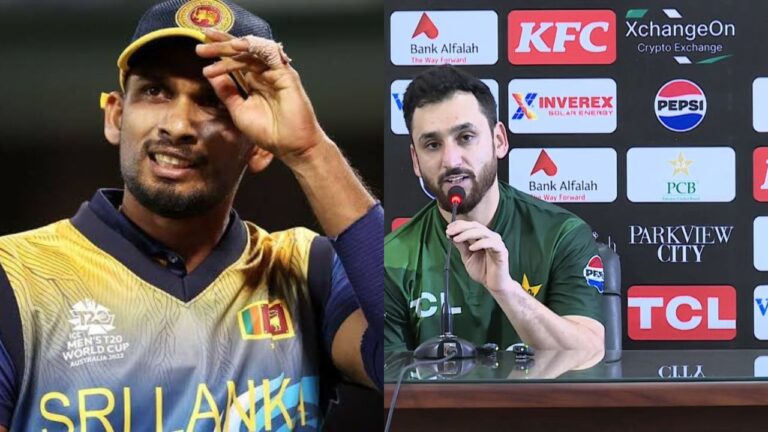
Pakistan’s captain has spoken with absolute clarity about the team’s batting order ahead of cricket’s biggest rivalry match. “Babar Azam is scoring well for Pakistan and we have no concerns about his batting position. Top four of Pakistan is settled. We look forward to his runs against India,” Agha declared, putting to rest any lingering doubts about team combination. The T20 World Cup 2026 sees Pakistan entering the India encounter with complete clarity about their batting blueprint.
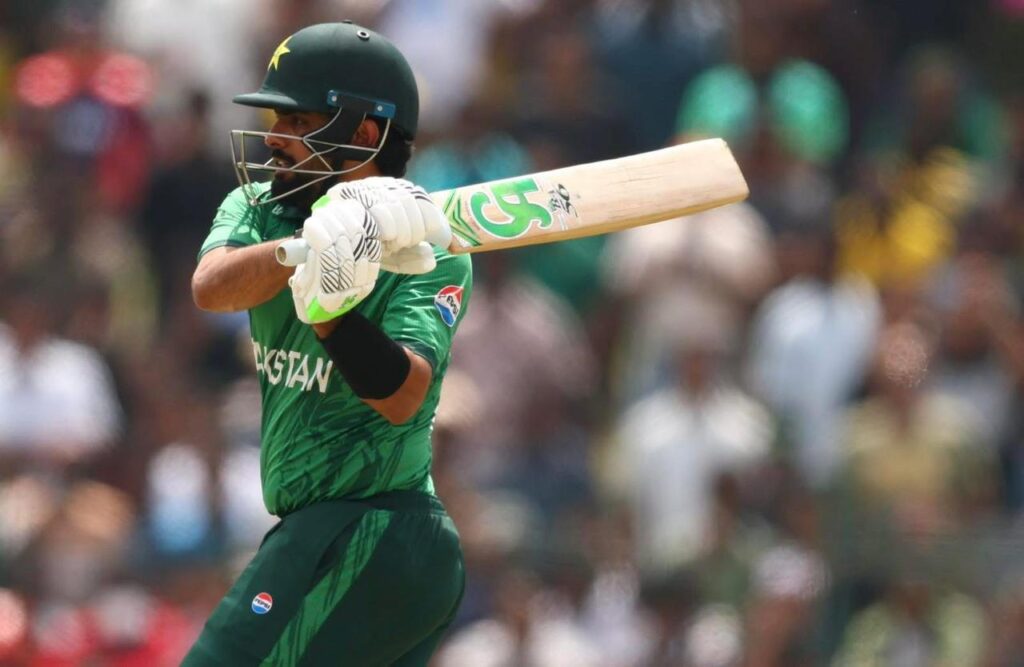
Pakistan’s Confirmed Top Four Batting Order
The Settled Combination
| Position | Player Name | Role | Recent Form |
|---|---|---|---|
| 1 | Sahibzada Farhan | Opener | Solid starts |
| 2 | Saim Ayub | Opening Partner | Aggressive intent |
| 3 | Babar Azam | Anchor/Aggressor | Scoring well |
| 4 | Salman Ali Agha (c) | Middle-order Stabilizer | Captain’s role |
This top four represents Pakistan’s strategic thinking for the India encounter and beyond. The combination balances aggression through the openers, experience and class through Babar at three, and captaincy stability through Agha at four.
Why Babar Azam at Number Three Works
The Perfect Position for Pakistan’s Star
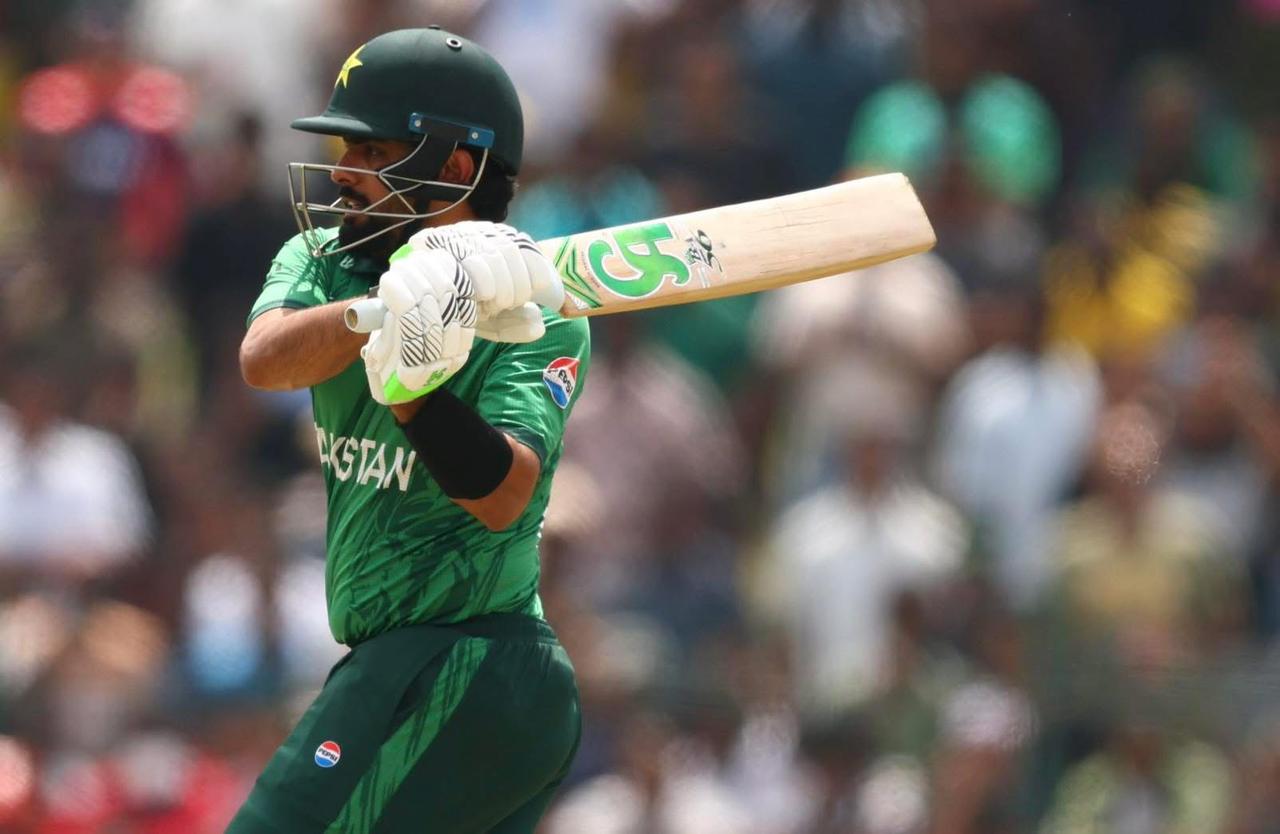
Captain Agha’s confirmation that “Babar Azam is scoring well for Pakistan” addresses recent speculation about form and position. Number three in T20 cricket demands specific skills that Babar possesses in abundance:
Babar’s Number Three Strengths:
- Ability to anchor if early wickets fall
- Capacity to accelerate after powerplay foundation
- Experience handling pressure situations
- Technical solidity against quality bowling
- Strike rotation keeping scoreboard moving
- Boundary-hitting when required
Coming in at number three allows Babar to assess conditions during the powerplay, understand pitch behavior, and construct his innings accordingly. Against India’s varied bowling attack, this tactical flexibility becomes crucial.
The Opening Combination: Farhan and Saim
Setting the Tone for Pakistan
Sahibzada Farhan and Saim Ayub’s confirmed opening partnership creates fascinating dynamics. If Fakhar Zaman enters the eleven (requiring Farhan to keep wickets), the opening combination shifts dramatically. However, Agha’s statement about a “settled top four” suggests the current combination enjoys management backing.
What the Openers Bring:
- Farhan: Solid technique with ability to anchor innings
- Saim: Aggressive intent from ball one
- Combined: Left-hand right-hand combination troubling bowlers
- Balance: One accumulator, one aggressor creates perfect mix
Their powerplay approach will determine how much freedom Babar enjoys at number three. Strong starts allow Babar to play his natural game; early wickets force more cautious approach.
Salman Ali Agha at Number Four: Captain’s Role
Leadership Through Batting Position
Agha’s placement at number four demonstrates his dual responsibility – contributing with bat while managing tactical decisions. This position allows him to:
- Survey match situations before arriving at crease
- Make bowling changes based on pitch observation
- Communicate with batsmen about required approach
- Stabilize if top order collapses
- Accelerate if foundation is set
The tournament’s tactical demands require captains who can influence matches beyond just field placements and bowling changes.
“No Concerns About His Batting Position”
Reading Between Captain’s Words
Agha’s specific phrase “we have no concerns about his batting position” addresses underlying questions about whether Babar should open, bat three, or drop down the order. The emphatic declaration suggests:
Management Confidence Indicators:
- Internal discussions have concluded decisively
- Babar’s recent performances justify the position
- Team combination works best with current structure
- No experimentation needed before India clash
- Complete backing from captain and coaching staff
This public backing creates positive environment where Babar can focus purely on performance rather than defending his position through media.
“We Look Forward to His Runs Against India”
The Expectation Game
Captain Agha’s statement “we look forward to his runs against India” isn’t just diplomatic speak – it’s genuine expectation based on Babar’s historical performances and current form.
Why Pakistan Expects Babar to Deliver:
Babar Azam has consistently performed in high-pressure India encounters across formats. His technique against quality bowling, temperament under extreme pressure, and ability to construct match-winning innings make him Pakistan’s go-to batsman when stakes are highest.
The public expectation also serves psychological purpose – it demonstrates Pakistan’s belief in their star batsman, potentially creating positive pressure that brings out Babar’s best cricket.
The Middle Order After Top Four
Complete Batting Structure
While the top four is confirmed as Farhan, Saim, Babar, and Agha, Pakistan’s middle and lower order provides crucial depth:
| Position | Likely Player | Role |
|---|---|---|
| 5 | Mohammad Rizwan (wk) | Finisher/Anchor |
| 6 | Iftikhar Ahmed | Power-hitter |
| 7 | Shadab Khan / Imad Wasim | Spin all-rounder |
| 8-11 | Bowling specialists | Tail-end hitting |
This structure allows top four to play freely knowing powerful finishers follow. Against India’s bowling attack, having Rizwan’s experience at five provides additional insurance.
How India Will Approach This Top Four
Strategic Challenges for Indian Bowlers
India’s bowling attack now knows exactly what combination they face. This clarity helps preparation but doesn’t make the task easier:
India’s Bowling Challenges:
- Must strike early to expose middle order
- Babar at three means quality batsman regardless of situation
- Left-right combinations create field placement difficulties
- Agha’s captaincy experience makes him tough to dismiss cheaply
Check the competing squads to see how India’s bowling options stack up against Pakistan’s confirmed batting order.
Tactical Implications of Settled Top Four
Why Clarity Matters Before Big Matches
Pakistan’s confirmed top four heading into the India clash provides multiple advantages:
Benefits of Settled Order:
- Players know their roles with complete clarity
- No last-minute confusion or position shuffling
- Batting partnerships already established in practice
- Mental preparation focused on execution not position
- Opposition gets no advantage from uncertainty
Teams that constantly tinker with batting orders often struggle in pressure situations. Pakistan’s decisiveness suggests confident management backing their combination.
Comparison With Recent Pakistan Top Orders
Evolution of Pakistan’s T20 Batting
Pakistan has experimented extensively with top-order combinations in recent years. This current structure represents evolution based on performance analysis:
Recent Top Order Trends:
- Move away from Babar opening in T20s
- Introduction of aggressive young openers
- Captain batting in top four for tactical control
- Balance between experience and youth
The tournament standings will reveal whether this combination delivers results Pakistan expects.
What This Means for Match Day
Execution Over Experimentation
Pakistan enters the India clash with complete batting clarity. No surprises, no last-minute changes, no experimental positions. The top four knows their roles, the middle order understands their responsibilities, and the entire team can focus purely on executing game plans.
This settled approach contrasts with teams still searching for optimal combinations deep into tournaments. Pakistan’s confidence in their structure suggests extensive planning and analysis supporting these decisions.
Historical Context: Babar’s India Record
Track Record in Big Matches
Babar Azam’s performances against India across formats provide context for why Pakistan expects “his runs” on Sunday. He’s delivered crucial innings in pressure situations before, making him proven rather than potential.
His technical solidity against India’s quality bowling, combined with current form that has captain’s backing, creates perfect storm for potential match-winning performance.
Frequently Asked Questions
What is Pakistan’s confirmed top four batting order against India? Pakistan’s top four is Sahibzada Farhan (1), Saim Ayub (2), Babar Azam (3), and captain Salman Ali Agha (4) – confirmed as settled by the captain.
What did Salman Ali Agha say about Babar Azam’s position? Agha stated: “Babar Azam is scoring well for Pakistan and we have no concerns about his batting position. Top four of Pakistan is settled. We look forward to his runs against India.”
Why is Babar Azam batting at number three for Pakistan? Number three allows Babar to assess conditions during powerplay and construct his innings accordingly, utilizing his ability to both anchor and accelerate as situations demand.
Who are Pakistan’s opening batsmen against India? Sahibzada Farhan and Saim Ayub form Pakistan’s confirmed opening partnership, providing left-right combination with balanced aggression and solidity.
Is Pakistan’s batting order settled for T20 World Cup 2026? Yes, captain Salman Ali Agha confirmed the top four is completely settled with zero concerns, indicating no changes planned for the India encounter.
Where does Salman Ali Agha bat in Pakistan’s order? Agha bats at number four, allowing him to survey match situations as captain before arriving at the crease while providing middle-order stability.
Pakistan’s batting clarity heading into the India clash demonstrates confident leadership and settled combination. Will the top four deliver the runs captain Agha expects? Watch it unfold on live streaming platforms as Babar and company face their biggest test.