“Don’t Feel Good”: Virat Kohli Defends Rohit Sharma After Crowd Cheers Dismissal
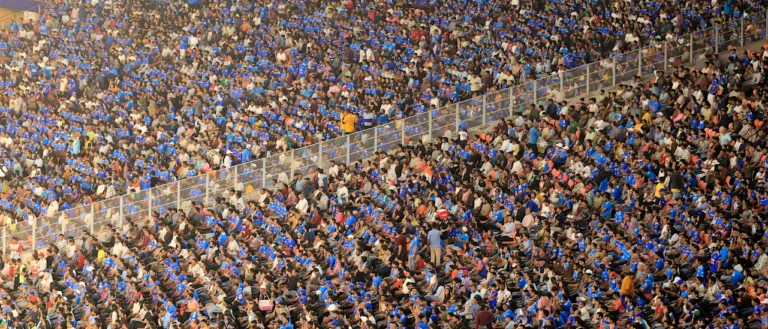
In the cacophony of the Vadodara International Cricket Stadium on Sunday, there was a sound that defines the complex, often paradoxical nature of Indian cricket fandom. It was the deafening roar of joy at the fall of an Indian wicket.
The wicket belonged to the Indian captain, Rohit Sharma. The joy, however, wasn’t for his departure, but for the arrival of the man walking in at number three: Virat Kohli.

For years, this phenomenon was exclusive to one man—Mahendra Singh Dhoni. Now, as India celebrated a hard-fought 4-wicket victory over New Zealand in the 1st ODI, Virat Kohli addressed this “hero worship” culture with a level of honesty that highlights the deep mutual respect within the Indian dressing room.
“I’ve Seen It With MS Too”: The Uncomfortable Reality of Stardom
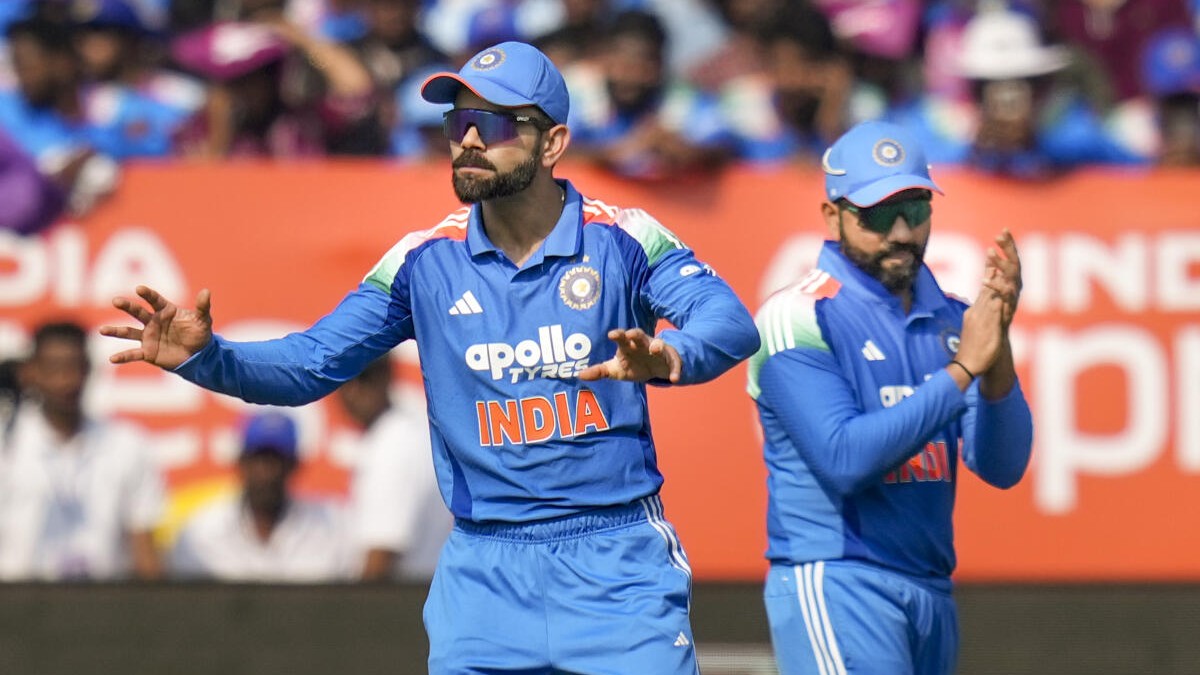
Post-match, after a match-winning 93 that steered India’s chase of 301, Kohli was asked about the reception. The roar when he walked out was spinal-chilling, but the context—the dismissal of his opening partner and captain—made it bittersweet.
“I honestly don’t feel good about it,” Kohli confessed, his face devoid of the arrogance one might expect from a man who just became the fastest to 28,000 international runs. “I’ve seen it with MS (Dhoni) too. I understand the crowd get excited. I just try to keep the focus on the game.”
This statement is a poignant reminder of the “Dhoni phenomenon” in the IPL. For seasons, Ravindra Jadeja and Ambati Rayudu jokingly lamented that Chennai Super Kings fans would pray for their wickets just to see ‘Thala’ Dhoni bat for two balls. While it was folklore in franchise cricket, seeing it translate to the national team setup, at the expense of a player of Rohit Sharma’s stature, struck a nerve with Kohli.
It reflects Kohli’s evolution not just as a player, but as a senior statesman. He understands that while the adulation is a “blessing,” it shouldn’t come at the cost of disrespecting a teammate who is fighting the same battle.
The Rohit-Kohli Brotherhood: Silence in the Noise
The narrative of a rift between Rohit Sharma and Virat Kohli has been sold by social media for years, but Sunday’s comments effectively buried it. By publicly stating his discomfort, Kohli defended his captain. He acknowledged that while he loves the “happy faces,” he doesn’t want them to rejoice in his partner’s failure.
“It makes me happy when I see happy faces,” Kohli added, balancing gratitude with responsibility. “But the main thing was to get the team ahead.”
This maturity was mirrored in his batting. Walking in at a delicate time, Kohli didn’t play to the gallery. He played the situation.
28,000 Runs: The Milestone That Didn’t Matter
Amidst the noise about the crowd gesture, a monumental cricketing history was rewritten. In his 624th innings, Virat Kohli became the fastest cricketer in history to breach the 28,000 international runs mark, eclipsing the God of Cricket himself, Sachin Tendulkar, by 20 innings.
Yet, true to his “team-first” philosophy, Kohli brushed aside personal glory. He fell for 93, just seven runs short of what would have been his 85th international century.
“Honestly, the way I’m playing, I’m not thinking milestones,” Kohli said, shutting down questions about the missed ton. “If we were batting first, I’d have gone harder. The experience does kick in… if the situation is tricky, I try to counterattack without playing outrageous shots.”
This approach was visible in his partnership with Shubman Gill (56) and Shreyas Iyer (49). On a track where New Zealand’s bowlers, led by the probing lines of the opposition, kept things tight, Kohli was the anchor. He didn’t chase the hundred; he chased the win.
The Match Report: Rahul Finishes What Kohli Started
While Kohli set the platform, the game still had to be won. New Zealand, riding on Daryl Mitchell’s counter-attacking 84 off 71 and fifties from Henry Nicholls and Devon Conway, had posted a competitive 300/8.
After Kohli’s dismissal—a moment that silenced the same crowd that had cheered his arrival—the chase became tricky. The “Vadodara silence” was palpable. It was left to the composure of KL Rahul to guide the ship home. Rahul’s unbeaten 29 off 21 balls was a masterclass in pressure absorption, ensuring that the foundation laid by the top order didn’t go to waste.
The Cultural Shift in Indian Fandom
Kohli’s comments open a debate about Indian cricket culture. We are a nation that loves individual heroes often more than the team itself.
- The Sachin Era: Fans switched off TVs when Tendulkar got out.
- The Dhoni Era: Fans cheered wickets of their own team to see him finish.
- The Kohli Era: We are now seeing the same “cult of personality.”
While the love is unconditional, Kohli’s gentle rebuke serves as a reminder to the fans: Support the player, but respect the team. The roar for Kohli should be loud, but the silence for Rohit’s wicket should be respectful.
Conclusion: The Legacy of a Leader
Sunday in Vadodara wasn’t just about runs or records. It was about Virat Kohli, the person. A man who breaks Sachin Tendulkar’s records for fun, yet feels “not good” when his entry overshadows his captain.
As India takes a 1-0 lead in the series, the takeaway isn’t just the victory. It’s the image of a cricketing giant who, despite standing at the peak of his powers, looks back to ensure his teammates are standing right there with him, not in his shadow.
India plays the 2nd ODI next, and fans would do well to heed King Kohli’s words: Cheer for the entry, but don’t celebrate the exit.