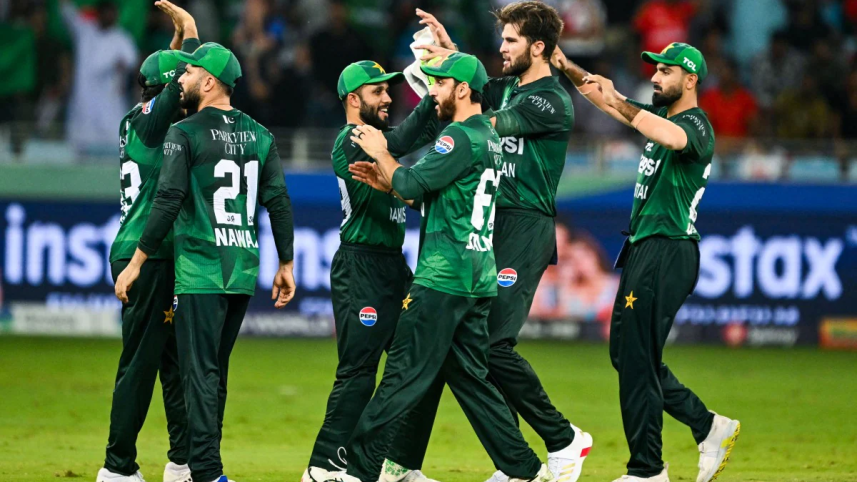
Pakistan Team Booked to Fly to Sri Lanka for T20 World Cup Despite Boycott Talks
In the high-stakes game of geopolitical poker currently being played by the Pakistan Cricket Board (PCB), it appears someone may have just shown their hand.
For weeks, the cricketing world has been on edge. Will Pakistan boycott the 2026 ICC T20 World Cup in solidarity with Bangladesh? Will the blockbuster India vs. Pakistan match on February 15 be cancelled? PCB Chairman Mohsin Naqvi has publicly maintained a hardline stance, accusing the ICC of “double standards.”
However, a breaking report has emerged that contradicts the public rhetoric. Behind closed doors, logistics are moving. Tickets have been booked. The Green Shirts are ready to fly.
The Leaked Travel Plan: Flying with the Aussies
According to sources cited by Telecom Asia Sport, the PCB has already finalized the travel itinerary for the national squad. The details are specific and revealing.
The Itinerary:
- Departure Point: Lahore, Pakistan.
- Destination: Colombo, Sri Lanka.
- Airline: Air Lanka.
- Travel Partners: The Australian National Cricket Team.
This specific detail—travelling with the Australians—is crucial. Australia is currently in Lahore for a three-match T20I series (which began on Jan 29). The report suggests that once the final match concludes on February 1, both teams will board the same flight to Colombo to begin their World Cup campaigns.
If a boycott was truly imminent, why book non-refundable group travel with another international team? This logistical move suggests that while the board fights a diplomatic war in the media, the team management is proceeding as “Business as Usual.”
The Political Chessboard: Who Said What?
The decision to participate or boycott was never just about cricket; in Pakistan, it is a matter of state policy. Over the last 48 hours, a flurry of high-level meetings has taken place in Islamabad to decide the fate of the team.
PCB Chief Mohsin Naqvi didn’t just consult his board; he went to the highest offices in the land.
Table 1: The Decision Makers & Their Verdicts
| Key Figure | Role | Stance on World Cup | The Advice |
| Shehbaz Sharif | Prime Minister | GO ✅ | “Support Bangladesh diplomatically, but do not boycott the tournament.” |
| Asif Zardari | President | Consulted | Advised careful deliberation with political leadership. |
| Najam Sethi | Ex-PCB Chief | GO ✅ | Strongly advised sending the team; boycotting hurts Pakistan more. |
| Ramiz Raja | Ex-PCB Chief | GO ✅ | Advised against skipping the event, especially the India match. |
| Military Est. | Security/State | Consulted | Reviewed security protocols in Sri Lanka. |
The “Double Standards” Argument:
Naqvi’s hesitation stems from the Bangladesh Issue. After Bangladesh withdrew (or was “excluded” per Naqvi’s phrasing) due to security disputes with India, Pakistan felt pressure to stand in solidarity. Naqvi accused the ICC of treating Bangladesh “unfairly.” However, the consensus from the PM and former chiefs is clear: Protest, but play.
The Current Context: The Australian Warm-Up
To understand the timing, we must look at what is happening in Lahore right now.
The Australian team is currently playing a T20I series at the Gaddafi Stadium.
- Match 1: January 29 (Yesterday)
- Match 2: January 31
- Match 3: February 1
This series serves as the perfect warm-up for the World Cup conditions. If Pakistan intended to boycott the World Cup (starting Feb 7), playing a high-intensity series against the reigning champions just days before would be a futile exercise. The presence of the Australians in Lahore, and the plan to fly out with them, signals a unity of cricketing nations.
Why the “India vs Pakistan” Match Saved the Tour
Let’s address the elephant in the room. The report explicitly mentions that former PCB chiefs Najam Sethi and Ramiz Raja advised Naqvi “not to boycott the India game.”
Scheduled for February 15 in Colombo, this match is the financial engine of the ICC.
- Financial Consequence: A boycott would not only result in a fine for the PCB but could also jeopardize their share of the ICC revenue model.
- Fan Backlash: With the match being played in neutral territory (Sri Lanka), the security excuse used for refusing to play in India does not apply.
- The “Hybrid” Win: Pakistan has already secured a victory by forcing the match to be moved out of India. Boycotting now would look like running away from a fight they already won diplomatically.
Table 2: The Stakes for February 15
| Factor | If Pakistan Plays | If Pakistan Boycotts |
| Venue | R. Premadasa, Colombo | N/A |
| Revenue | Massive ICC distribution | Potential Sanctions/Fines |
| Diplomacy | Seen as cooperative | Isolated by ICC |
| Fan Sentiment | Hype & Excitement | Disappointment & Anger |
Editorial Analysis: The “Wait and See” Strategy
So, why hasn’t Mohsin Naqvi announced it officially?
It is likely a negotiation tactic. By keeping the threat of a boycott alive until the last possible moment (“tomorrow or next Monday,” as per reports), the PCB is likely pressuring the ICC for:
- Better Security Guarantees: Ensuring the “Presidential Level” security promised by Sri Lanka is locked in.
- Future Hosting Rights: Leveraging this moment to secure guarantees for the 2029 Champions Trophy.
- Solidarity Statement: Forcing the ICC to acknowledge Bangladesh’s grievances publicly.
But make no mistake—the tickets are booked. The bags are being packed.
Conclusion: Colombo Calling
While the politicians talk, the logistics don’t lie. The revelation that Pakistan is booked on an Air Lanka flight with Pat Cummins and his Australian side is the smoking gun.
Unless a catastrophic diplomatic event occurs in the next 72 hours, Pakistan will be in Sri Lanka. The Green Shirts will take the field. And on February 15, the world will stop to watch the greatest rivalry in sports.
The Boycott is likely dead. Long live the game.
Stay tuned to T20WorldCup2026.com. We will be tracking that Air Lanka flight live on February 1st!