India Vs Pakistan: Match Finally Confirmed? Major Update
For weeks, the cricketing world has held its collective breath. The schedule said February 15, but the headlines said “Boycott.” However, in a dramatic twist that has sent waves of relief through the global cricket community, the high-stakes encounter between arch-rivals India and Pakistan at the ICC Men’s T20 World Cup 2026 is now almost certain to proceed.
After days of diplomatic posturing and stern warnings from the International Cricket Council (ICC), exclusive reports indicate that the impasse has been broken. The Pakistan Cricket Board (PCB), previously bound by government directives to boycott the fixture, is now in the final stages of “positive” meetings that will likely see the Men in Green take the field in Colombo.
The “99% Certainty”: What Sources Are Saying
The cloud of uncertainty that hovered over the tournament’s marquee fixture has lifted significantly. According to high-ranking sources within the PCB, the dialogue has shifted from confrontation to resolution.
An insider confirmed to IANS, “Meetings are underway, and there is a 99% chance the India—Pakistan match will take place on February 15.”
This statement marks a massive de-escalation from the earlier rhetoric. Just days prior, the narrative was dominated by a government-mandated refusal to play, stemming from complex geopolitical solidarities. Now, it appears the cricketing logic—and perhaps the immense pressure from the global body—has prevailed.
Match Snapshot
| Feature | Details |
| Fixture | India vs Pakistan |
| Tournament | ICC Men’s T20 World Cup 2026 |
| Group | Group A |
| Scheduled Date | February 15, 2026 |
| Venue | Colombo, Sri Lanka |
| Current Status | 99% Likely to Proceed |
| Key Stakeholders | PCB, BCCI, ICC |
Export to Sheets
The Controversy: Why Was the Match in Doubt?
To understand the magnitude of this turnaround, one must look at the tangled web of politics that threatened to derail the event. The root of the tension wasn’t just bilateral friction between India and Pakistan, but a broader issue involving Bangladesh.
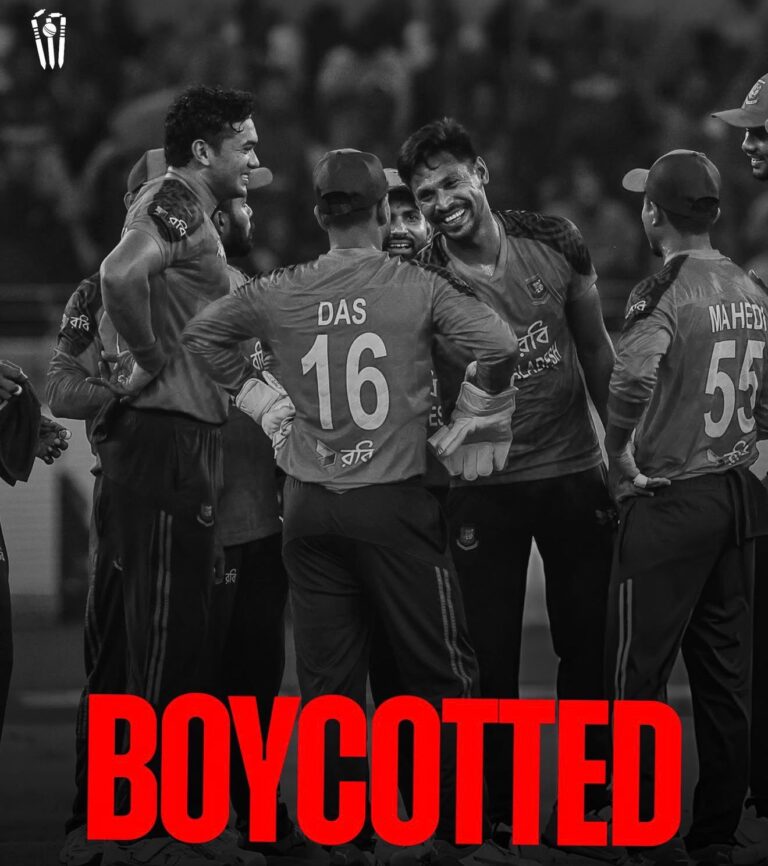
Bangladesh had earlier refused to play in India due to security concerns, a move that led to their replacement in the tournament by Scotland. In a show of solidarity with Bangladesh, the Pakistani government had initially approved the national team’s participation in the World Cup on the condition that they would not play against India.
This “conditional participation” created a logistical and ethical nightmare for the ICC. It wasn’t just about one match; it was about the integrity of the tournament format.
The Timeline of Tension
| Event | Description |
| The Trigger | Bangladesh refuses to play in India citing security; replaced by Scotland. |
| The Protest | Pakistan Govt orders team to boycott match vs India in solidarity. |
| The Warning | ICC issues statement regarding “selective participation.” |
| The Resolution | Ongoing meetings suggest a reversal of the boycott stance. |
Export to Sheets
ICC’s Iron Fist: The Warning That Changed Everything
The International Cricket Council played a pivotal role in resolving this standoff. Instead of bowing to the boycott threat, the governing body issued a stern reminder of the obligations that come with being a full member nation.
The ICC’s statement was clear and uncompromising: “Selective participation is difficult to reconcile with the fundamental premise of a global sporting event where all qualified teams are expected to compete on equal terms.”
The underlying message was financial and structural. The ICC highlighted that such a boycott would have “significant and long-term implications for cricket” in Pakistan itself. As a member and beneficiary of the global cricket ecosystem, Pakistan risked isolating itself and facing severe sanctions, potentially including financial penalties or suspension from future events. The “lucrative” nature of an India-Pakistan clash—worth millions in broadcast and sponsorship revenue—meant that a cancellation would be a financial disaster for all parties involved.
The Cost of a Forfeit: A Cricketing Suicide?
Beyond the politics and money, the cricketing equation made a boycott nearly impossible to justify for the team management. Pakistan had just secured a thrilling, albeit nervy, 3-wicket win against the Netherlands in their tournament opener at the Sinhalese Sports Club (SSC) Ground in Colombo on February 7.
To forfeit the match against India would have meant:
- Zero Points: Handing crucial points to their biggest group rival.
- NRR Disaster: A forfeit often comes with a massive penalty to the Net Run Rate, which is frequently the tie-breaker in T20 World Cups.
- Momentum Killer: Voluntarily losing a match after a winning start would have destroyed team morale.
Impact of a Potential Forfeit
| Consequence | Impact Level | Description |
| Points Table | High | Loss of 2 potential points; India awarded win. |
| Net Run Rate | Critical | Significant blow to NRR, affecting semi-final chances. |
| Team Morale | High | Disruption of focus after the win vs Netherlands. |
| Financial | Severe | Loss of match fee and potential ICC sanctions. |
Export to Sheets
Group A Dynamics: The Road Ahead
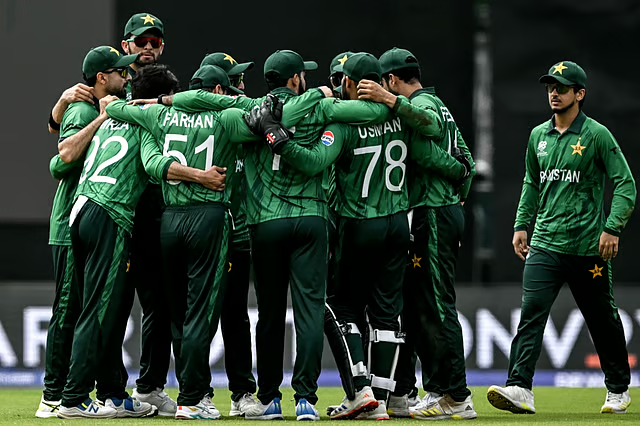
With the match now likely to go ahead, the focus shifts back to cricket. Pakistan’s campaign began with a scare against the Netherlands. Chasing a modest total, the “Men in Green” stumbled, eventually escaping with a 3-wicket victory. The image of Babar Azam and Shaheen Shah Afridi celebrating a coordinated catch during that match signaled a team that is united on the field, even if the administration off the field was in turmoil.
India, serving as co-hosts, will be waiting in Colombo. These two teams have not played a bilateral series in over a decade, making their meetings in ICC tournaments the only time the world gets to witness this rivalry.
Conclusion: Crisis Averted
While an official statement from the PCB is still awaited to make it 100%, the “99%” assurance from internal sources suggests the crisis has been averted. The dialogue over confrontation approach favored by the ICC seems to have worked.
Come February 15, fans in Colombo and billions watching worldwide can likely expect to see the coin toss happen. The politics may have dominated the buildup, but cricket is set to have the final word. The blockbuster clash is back on—and the World Cup is all the better for it.