PCB and BCB Demand Bilateral Series and Tri-Series with India – ICC Rejects All Requests
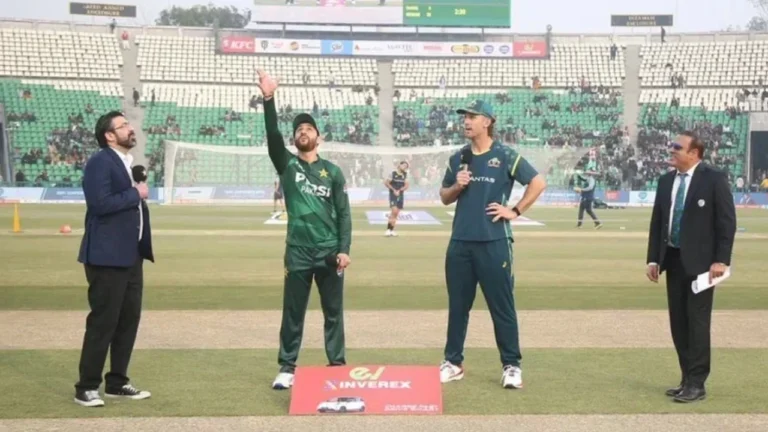
Pakistan Cricket Board (PCB) and Bangladesh Cricket Board (BCB) have jointly demanded resumption of bilateral cricket ties with India and proposed a tri-series involving all three nations during a crucial ICC meeting in Lahore. However, the International Cricket Council firmly rejected these demands, stating such matters fall outside their jurisdiction as the T20 World Cup 2026 controversy continues to unfold.
The high-stakes meeting at Gaddafi Stadium on February 8 lasted nearly six hours and included PCB Chairman Mohsin Naqvi, BCB President Aminul Islam Bulbul, and ICC Deputy Chairman Imran Khwaja. The discussions centered around Pakistan’s decision to boycott their February 15 match against India in Colombo.
What PCB and BCB Demanded from ICC
| Demand | Requesting Board | ICC Response | Status |
|---|---|---|---|
| Bilateral series with India | PCB | Rejected | Not in ICC jurisdiction |
| India-Pakistan-Bangladesh tri-series | PCB & BCB | Rejected | Not in ICC jurisdiction |
| Increased ICC revenue share | PCB | Under discussion | Pending |
| Handshake enforcement | PCB | Cannot enforce | Team decision |
| Bangladesh compensation | BCB | No penalty planned | Accepted |
| Future ICC event hosting | BCB | Under consideration | U19 World Cup 2028 likely |
The Background: Why This Meeting Happened
The current crisis erupted after Bangladesh was removed from the T20 World Cup 2026 on January 24. Bangladesh refused to travel to India citing security concerns and requested their matches be moved to Sri Lanka. The ICC Board voted 14-2 to replace Bangladesh with Scotland instead of accommodating their request.
Pakistan stood with Bangladesh throughout, with PCB Chairman Mohsin Naqvi calling it “double standards” by the ICC. He pointed out that India was allowed to play Champions Trophy 2025 matches at neutral venues when they refused to visit Pakistan, but Bangladesh wasn’t granted similar treatment.
In solidarity, Pakistan’s government announced on February 1 that while their team would participate in the T20 World Cup, they would boycott the India match scheduled for February 15 in Colombo.
PCB’s Three Major Demands Explained
1. Resumption of Bilateral Cricket with India
Pakistan demanded that bilateral cricket ties with India be restored, including a Test series in the next World Test Championship cycle. India and Pakistan haven’t played bilateral cricket since 2012-13, when Pakistan toured India for ODIs and T20Is.
ICC’s Response: Firmly rejected, stating bilateral cricket decisions rest entirely with individual cricket boards (BCCI in this case), not the ICC. Even World Test Championship scheduling doesn’t give ICC authority to force bilateral series.
2. India-Pakistan-Bangladesh Tri-Series
Both PCB and BCB proposed a tri-series involving all three Asian giants. This would generate massive revenue and provide quality match practice for all teams.
ICC’s Response: Turned down completely. The ICC clarified that organizing bilateral or tri-series tournaments falls outside their jurisdiction. Only the participating boards can agree to such arrangements.
3. Increased Revenue Share from India-Pakistan Matches
PCB demanded a larger share of ICC’s total income from India-Pakistan contests, arguing these matches generate disproportionate revenue that should be distributed more equitably.
ICC’s Response: Under discussion but no commitment made. The financial model is complex and involves all member nations.
Additional PCB Demands
Handshake Protocol Enforcement
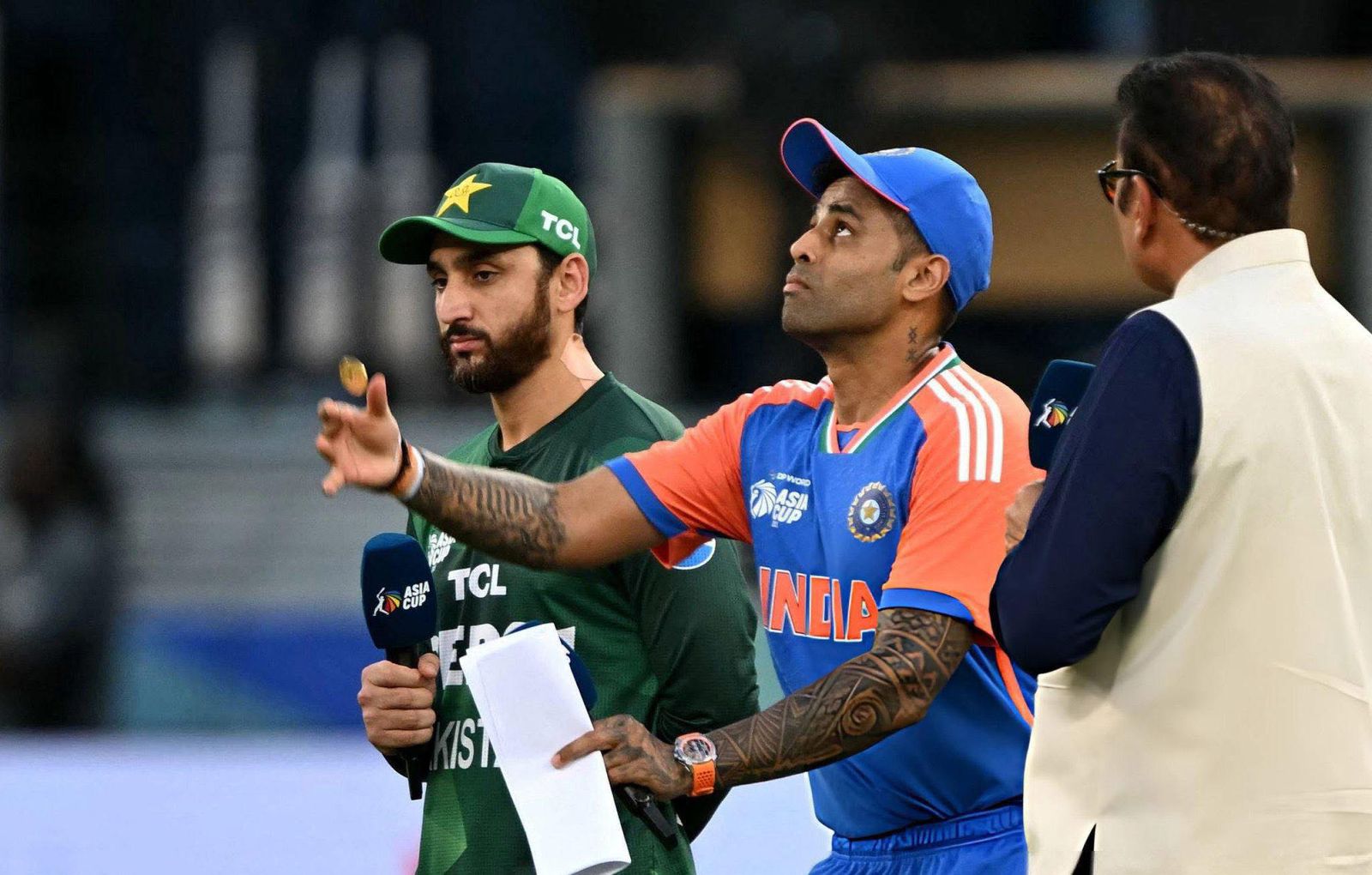
Mohsin Naqvi raised the issue of Indian players refusing to shake hands with Pakistani players during the Asia Cup. He asked ICC to ensure this doesn’t repeat in future matches.
ICC’s Response: Cannot enforce. Post-match courtesies are team decisions. India captain Suryakumar Yadav previously stated it was a team decision, not directed by BCCI or government.
What Bangladesh Cricket Board Wanted
BCB President Aminul Islam made two specific requests:
Financial Compensation: BCB sought monetary compensation for being ousted from the tournament despite being a full ICC member.
ICC Response: The ICC has independently decided not to penalize BCB financially and they’ll receive their share of T20 World Cup revenue.
Future Hosting Rights: BCB pushed for hosting rights of a future ICC event, likely the 2028 U19 World Cup or U19 Asia Cup.
ICC Response: The world body will reportedly consider this request favorably.
Interestingly, despite Pakistan’s “solidarity” stance, BCB Chief Aminul Islam reportedly asked PCB to reconsider the India boycott and play the February 15 match, according to PTI reports.
Why ICC Rejected These Demands
The ICC’s position is legally and structurally sound:
Bilateral Cricket: Individual cricket boards have complete autonomy over bilateral series. ICC cannot force BCCI to play Pakistan or Bangladesh.
Tri-Series Organization: Multi-nation series outside ICC events require mutual agreement between participating boards. ICC has no authority to mandate such tournaments.
Members Participation Agreement (MPA): Pakistan signed the MPA in December 2024, agreeing to play all scheduled matches at neutral venues in ICC events. The boycott violates this agreement.
Force Majeure Argument: ICC doesn’t accept PCB’s claim that government orders constitute Force Majeure, especially since PCB signed the agreement knowing India-Pakistan matches would be in neutral venues.
India-Pakistan Bilateral Cricket History
Last Series: 2012-13 in India (ODIs and T20Is)
Last Test Series: 2007-08 in India
Current Status: Only meet in ICC multi-nation events
| Recent ICC Encounters | Winner | Margin |
|---|---|---|
| 2024 T20 World Cup | India | 6 runs |
| 2023 ODI World Cup | India | 228 runs |
| 2022 T20 World Cup | India | 4 wickets |
| 2021 T20 World Cup | Pakistan | 10 wickets |
What Happens to February 15 Match?
PCB Chairman Mohsin Naqvi is scheduled to meet Pakistan Prime Minister Shehbaz Sharif today (February 9) to discuss the next steps. ICC has reportedly given Naqvi one day to consult the PM and ensure the boycott decision is reversed.
If Pakistan Boycotts:
- Forfeit 2 points in Group A
- Face potential ICC sanctions
- Massive financial losses for global cricket
- Legal consequences under Members Participation Agreement
Current Situation: Pakistan team is already in Sri Lanka and has played their opening match against Netherlands on February 7. They’re continuing with their tournament schedule while the India match decision remains pending.
Expert Analysis
Cricket experts believe PCB used the Lahore meeting to negotiate leverage rather than genuinely expecting ICC to grant these demands.
Financial Reality: An India-Pakistan match generates $200-300 million in broadcasting revenue alone. The February 15 fixture is the tournament’s biggest commercial drawcard.
Political Complexity: Cricket remains entangled with India-Pakistan political relations. Neither government has shown willingness to resume bilateral cricket despite fans’ desperate demand.
Bangladesh Factor: BCB’s request to PCB to play the India match undermines Pakistan’s “solidarity” narrative and weakens their boycott justification.
Fan Reactions
Cricket fans across social media expressed frustration with the politics overshadowing the sport:
Pakistani Fans: Mixed reactions – some support government’s stand, others want cricket to continue
Indian Fans: Believe Pakistan is using Bangladesh situation as excuse for other demands
Bangladeshi Fans: Appreciative of Pakistan’s support but want cricket to resume
Neutral Fans: Desperate to see India-Pakistan match happen, frustrated with political interference
The hashtag #LetThemPlay has been trending with fans from all countries demanding cricket be kept separate from politics.
Future Implications
This standoff could set dangerous precedents for international cricket:
- Member boards using ICC events to make political or bilateral demands
- Governments interfering in cricket decisions
- Tournament integrity compromised by last-minute boycotts
- Financial model disrupted by unpredictable match cancellations
ICC’s firm stance on rejecting demands shows their attempt to maintain institutional integrity while navigating complex political realities.
Frequently Asked Questions
Q1: Did ICC accept PCB and BCB’s demand for bilateral series with India?
No, ICC firmly rejected this demand stating bilateral cricket decisions rest entirely with individual cricket boards, not the ICC.
Q2: What is the tri-series demand by PCB and BCB?
Both boards proposed a tri-series tournament involving India, Pakistan, and Bangladesh, which ICC rejected as it falls outside their jurisdiction.
Q3: When was the last India-Pakistan bilateral series?
The last bilateral series was in 2012-13 when Pakistan toured India for limited-overs matches. No bilateral cricket has happened since then.
Q4: Will Pakistan play India on February 15 in T20 World Cup 2026?
Still uncertain. PCB Chairman Mohsin Naqvi is meeting Pakistan PM Shehbaz Sharif on February 9 to make final decision after ICC talks.
Q5: What did Bangladesh Cricket Board demand from ICC?
BCB sought financial compensation (granted), future ICC event hosting rights (under consideration for U19 World Cup 2028), and bilateral cricket resumption with India (rejected).
Q6: Can ICC force India to play bilateral series with Pakistan or Bangladesh?
No, ICC has no authority over bilateral cricket. Only the individual cricket boards (BCCI, PCB, BCB) can decide their bilateral schedules independently.