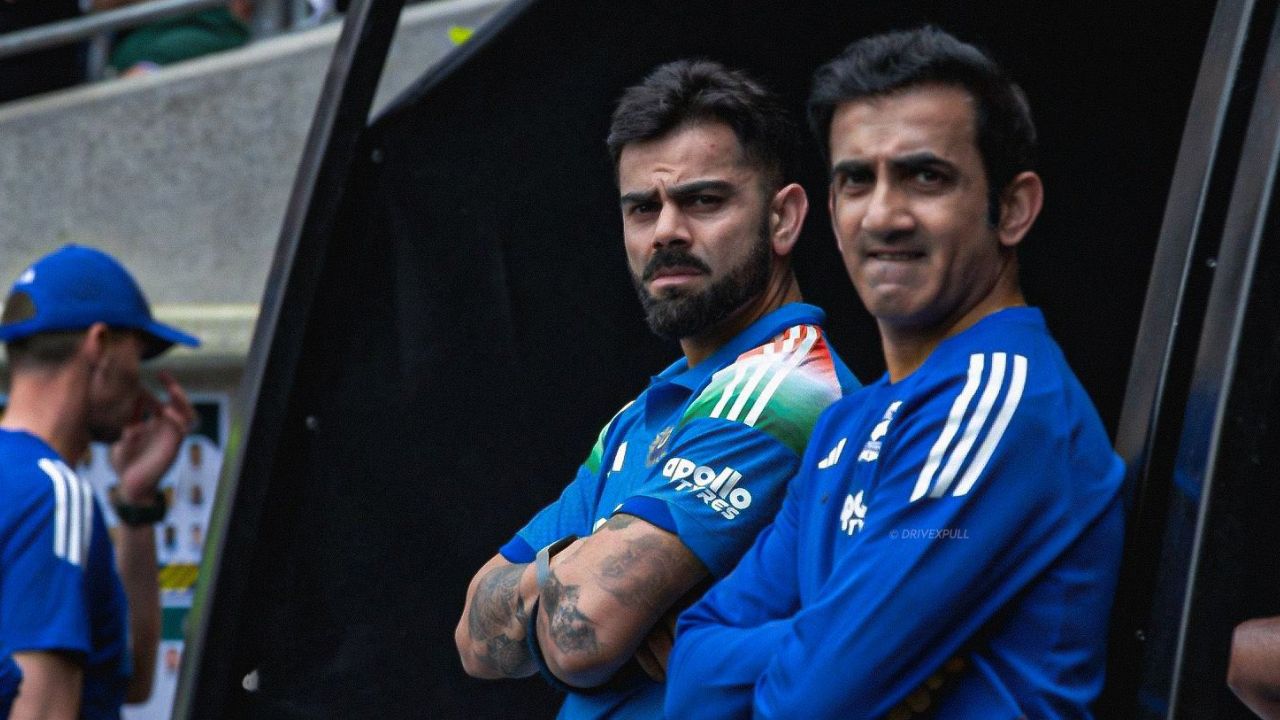
Are Gambhir and Kohli Fighting? Batting Coach Finally Breaks Silence on ‘Rift’ Rumors
In the high-pressure ecosystem of Indian cricket, silence is often misinterpreted as discord. For weeks, social media has been ablaze with speculation regarding an alleged “communication breakdown” between India’s fierce Head Coach, Gautam Gambhir, and the team’s senior stalwarts, Virat Kohli and Rohit Sharma.
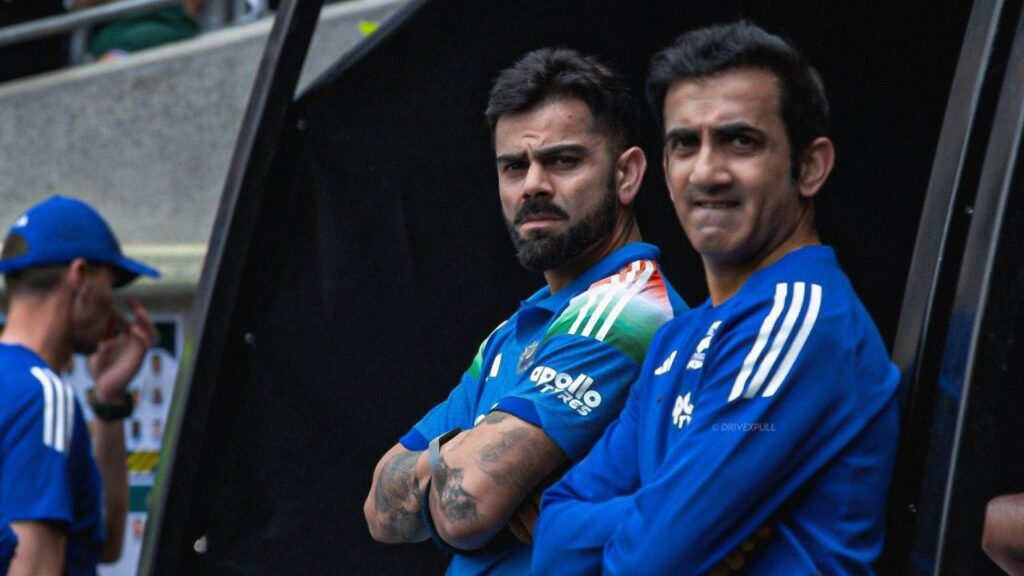
On Tuesday, however, India’s batting coach Sitanshu Kotak stepped up to the microphone to clear the air. Addressing the media on the eve of the second ODI against New Zealand, Kotak categorically dismissed the rumors, painting a picture of a dressing room that is not only united but deeply engaged in tactical warfare ahead of the World Cup.
The Rumor Mill vs. Reality
The narrative of a rift is an easy one to sell. The history between Gambhir and Kohli—marked by on-field aggression and IPL face-offs—has always provided fodder for the rumor mill. Add to this India’s recent transition phase, which saw both Rohit and Kohli step away from Test cricket last year to focus solely on the white-ball formats, and you have a recipe for speculation.
Critics whispered that the intense style of Gambhir might be clashing with the established methods of the senior pros. Kotak, however, insists that the reality inside the locker room is vastly different from the chaos on Twitter.
“Most of the time I’m there and if I’m listening, they definitely share their experience. I always see them talking,” Kotak stated, addressing the elephant in the room. “Obviously, on social media, you see a lot of things which I try to avoid, but from what I see, there are a lot of positives.”
The “One Format” Focus: A New Era for Ro-Ko
One of the most significant takeaways from Kotak’s presser was the confirmation of the new roles for Rohit and Virat. Having stepped back from the red-ball arena before the England tour last year, the duo is now channeling all their energy into One Day Internationals (ODIs).
According to Kotak, this singular focus has only deepened their involvement in team strategy. They aren’t just players; they are active architects of India’s roadmap for the upcoming tours, particularly the challenging series in South Africa.
“Virat and Rohit are definitely part of the planning. Now that they’re playing only one format, they want India to win everywhere when they are there,” Kotak explained.
This statement is crucial. It suggests that rather than being sidelined by the new management, the senior duo is being utilized as a “think tank.” Their vast reservoir of experience is being tapped to mentor the next generation, bridging the gap between the old guard and the new blood.
Tactical Overhaul: The “One Ball” Rule Change
Beyond the dressing room gossip, Kotak provided a fascinating insight into the tactical evolution awaiting Indian cricket. The upcoming months will see a significant shift in how ODIs are played, largely due to a tweaked playing condition regarding the cricket ball.
The New Rule Explained: Under revised regulations mentioned by Kotak, bowling teams will now be required to choose one of the two balls to continue with from overs 35 to 50.
Traditionally, ODIs have used two new balls (one from each end) since 2011, which kept the ball hard but effectively killed reverse swing. This new tweak—forcing the use of a single, older ball for the final 15 overs—could reintroduce the art of reverse swing and bring spinners back into the game at the death.
Kotak admitted that this rule necessitates a change in batting templates.
“We’ll have to set up a template on how we play after this new rule of having only one ball after 34 overs,” Kotak noted.
With scores of 300+ becoming the bare minimum in Indian conditions, this rule change could be the variable that balances the contest between bat and ball. It suggests that the “slog-fest” mentality might need to be replaced with technical astute batting in the death overs against softening, reversing leather.
Backing the Rockstar: Jadeja is Going Nowhere
The press conference also touched upon the future of India’s premier all-rounder, Ravindra Jadeja. With young talent knocking on the door, questions regarding Jadeja’s longevity in the ODI setup have surfaced.
Kotak, however, played a straight bat, offering a ringing endorsement of the veteran’s fitness and utility.
“I’ll still say that Ravindra is fit and performing. As long as a player is performing and enjoying the game, anyone would want to play and do well for India,” Kotak said.
This support is vital. In a team transition where legends have left the Test arena, retaining a multi-dimensional player like Jadeja ensures stability in the lower-middle order and the fielding department.
Conclusion: Eyes on the Prize
Sitanshu Kotak’s briefing was more than just a pre-match formality; it was a firefighting mission designed to calm the nerves of Indian fans. By asserting that Gambhir, Kohli, and Rohit are on the same page, the management hopes to shift the focus back to where it belongs: the 22 yards.
As India prepares to face New Zealand in the 2nd ODI, the message is clear. The noise is external. Inside the camp, the “Big Three” are plotting the next world title, united by a common goal.
The rumored “breakdown” appears to be nothing more than a signal error.