ICC Decision on Bangladesh: Venue Change Rejected for T20 World Cup 2026
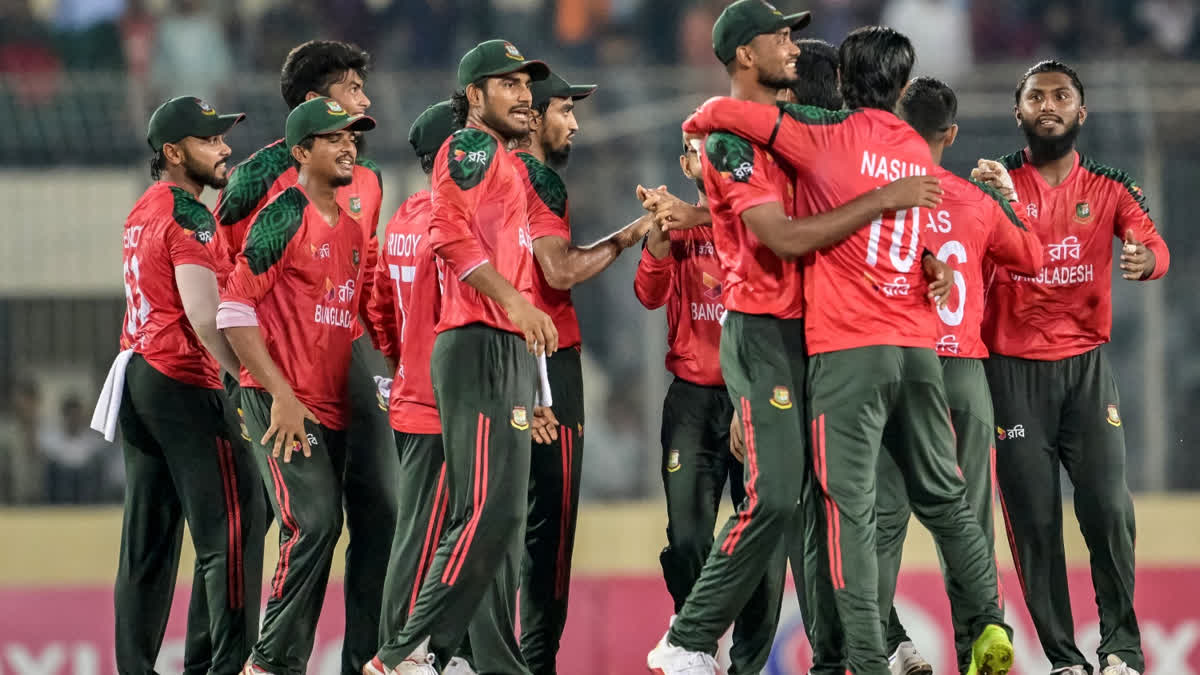
The diplomatic game of chess between the International Cricket Council (ICC) and the Bangladesh Cricket Board (BCB) has reached its checkmate moment. On Wednesday, the ICC formally slammed the door on Bangladesh’s request to relocate their T20 World Cup matches from India to Sri Lanka, issuing a stern ultimatum that could see the Asian Tigers disqualified from the tournament entirely.
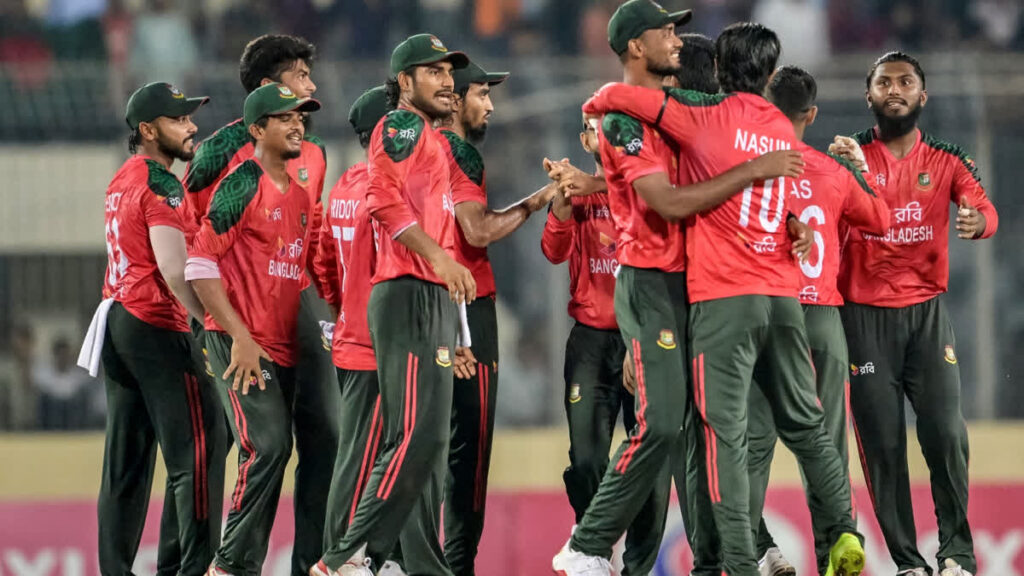
With the World Cup opener just weeks away on February 7, the ICC Board, following a tense virtual meeting, declared that the schedule remains unchanged. However, the biggest bombshell is not the refusal itself, but the contingency plan: Scotland has reportedly been identified as the immediate replacement should Bangladesh refuse to travel.
Here is the complete breakdown of the verdict, the security assessment, and the high-stakes drama unfolding in Dubai and Dhaka.
The Verdict: “No Changes, No Threats, No Precedents”
The ICC’s statement was unequivocal. After weeks of back-and-channel discussions, the global governing body rejected the venue swap on three primary grounds: Security, Logistics, and Precedent.
The ICC stated that independent security firms and federal agencies in India have conducted rigorous risk assessments. Their conclusion? Zero credible threat.
ICC’s Core Arguments for Rejection
| Argument | ICC Rationale |
| Security Assessment | Independent reviews found “no threat” to Bangladeshi players, media, or fans at any venue. |
| Logistical Feasibility | Moving matches <18 days before the opener is “not feasible” and creates a logistical nightmare. |
| Sanctity of Event | Altering venues without a credible threat would set a dangerous precedent, undermining ICC’s neutrality. |
| The “Linkage” Issue | ICC claims BCB’s concerns are linked to an “isolated domestic league issue” (IPL) rather than actual World Cup security. |
Export to Sheets
An ICC spokesperson emphasized:
“Altering the schedule under the circumstances… could set a precedent that would jeopardise the sanctity of future ICC events.”
The “Scotland” Ultimatum: A Shocking Replacement?
Perhaps the most startling detail emerging from reports, including Cricinfo, is the ICC’s contingency plan. The governing body is not bluffing. They have reportedly given the BCB 24 hours (one more day) to confer with their government and confirm participation.
If Bangladesh refuses to cross the border into India, they will be removed from the tournament.
- Who replaces them? Scotland.
- Why Scotland? They are the highest-ranked team from the qualifiers that missed out on the main draw.
- The Consequence: Bangladesh would not only miss the 2026 World Cup but could face sanctions, financial penalties, and suspension from future ICC revenue models.
The Trigger: Mustafizur, IPL, and Political Tensions
To understand why Bangladesh is ready to walk away from a World Cup, one must look at the timeline of events. The BCB’s refusal isn’t just about safety; it is a matter of national pride and diplomatic friction.
The flashpoint occurred on January 4, 2026, when Bangladeshi pacer Mustafizur Rahman was unceremoniously released by his IPL franchise. The BCB viewed this not as a cricketing decision, but as a political signal amidst growing tensions between the two neighbors.
Timeline of the Standoff
| Date | Event | Significance |
| Jan 04 | Mustafizur Rahman released from IPL. | BCB announces they won’t play in India. |
| Jan 10 | BCB formally requests venue shift. | Wants matches moved to Sri Lanka. |
| Jan 17 | Pakistan offers support to BCB. | Threatens joint boycott (Reports). |
| Jan 20 | Bangladesh Govt (Asif Nazrul) speaks. | “We cannot be pressurized to play in India.” |
| Jan 21 | ICC Final Decision. | Request Rejected. Schedule stands. |
Export to Sheets
Bangladesh’s Defiance: “Illogical Pressure”
Despite the ICC’s assurances, the mood in Dhaka is combative. Late Tuesday night, Bangladesh’s Sports Adviser, Asif Nazrul, drew a direct comparison to Pakistan, accusing the ICC of double standards.
Asif Nazrul’s Statement: “In the past, there are examples that Pakistan said that they will not travel to India and ICC changed the venue… We have asked to change the venue on logical ground and we cannot be pressurised to play in India by putting illogical pressure.”
This statement highlights the BCB’s feeling of persecution. They believe that if the ICC could accommodate Pakistan in previous Asia Cups or World Cups (hybrid models), they should be afforded the same flexibility. However, the ICC argues that those changes were agreed upon months in advance, not weeks.
The Schedule at Risk: Group C Chaos
If Bangladesh withdraws, the entire dynamic of Group C changes. Bangladesh was set to play matches in two of India’s most iconic—and secure—stadiums: Eden Gardens (Kolkata) and Wankhede Stadium (Mumbai).
Bangladesh’s Current T20 World Cup Schedule
| Date | Opponent | Venue | City |
| Feb 07 | West Indies | Eden Gardens | Kolkata |
| Feb 09 | Italy | Eden Gardens | Kolkata |
| Feb 14 | England | Eden Gardens | Kolkata |
| Feb 17 | Nepal | Wankhede Stadium | Mumbai |
Export to Sheets
If Scotland steps in, they will inherit this exact schedule. While Scotland is a competitive associate nation, a World Cup without Bangladesh (a Full Member nation with a massive fanbase) would be a commercial blow to broadcasters and the tournament’s atmosphere.
Analysis: Who Blinks First?
The ICC has played its hand. By naming a replacement (Scotland) and citing independent security reports, they have absolved themselves of liability. They have essentially told the BCB: “Show up, or we start without you.”
The Risks for Bangladesh:
- Isolation: Boycotting an ICC event can lead to suspension.
- Financial Ruin: The BCB relies heavily on ICC revenue shares. A boycott could cost them millions in funding.
- Player Careers: A generation of players, including stars like Rashid Khan (Afghanistan context) or Shakib Al Hasan (Bangladesh context), want to play on the biggest stage. Denying them that opportunity could cause internal revolt.
The Risks for ICC:
- Viewer Drop: Bangladesh fans are among the most passionate in the world.
- Diplomatic Fallout: It reinforces the narrative that the ICC cannot manage Asian geopolitical tensions.
Conclusion: The Final 24 Hours
The deadline is set. The flight tickets to Kolkata are booked. The security is in place. Now, the ball is in the BCB’s court.
Will the Bangladesh government soften its stance to save their cricket team’s World Cup dream? Or will we see Scotland vs West Indies at Eden Gardens on February 7?
The world is watching. The next 24 hours will decide the fate of Asian cricket.
Stay tuned for the final confirmation on whether Bangladesh travels or Scotland steps in!