Pakistan Government Holds Final Call on T20 World Cup 2026 Participation
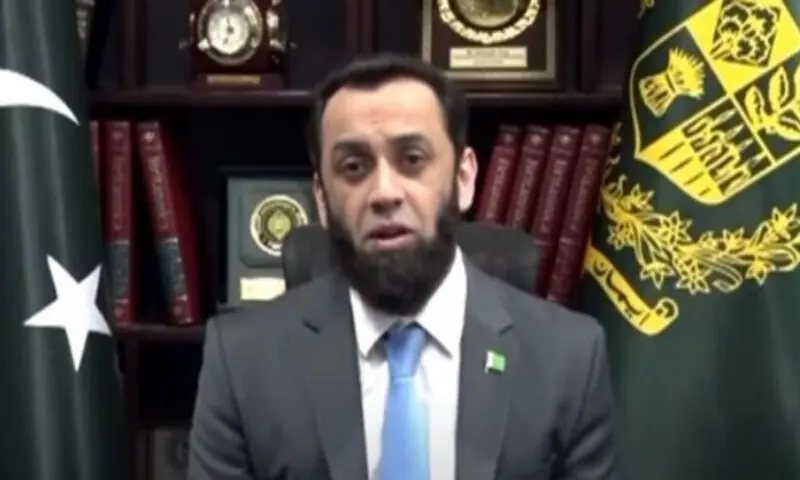
Pakistan’s cricket future hangs in the balance as government officials confirm they’ll make the final call on whether the national team participates in the upcoming global tournament. Federal Minister for Information and Broadcasting Atta Tarar dropped this bombshell during a media interaction in Lahore, making it clear that political leadership—not cricket administrators—will decide Pakistan’s fate.
The T20 World Cup 2026 is set to be one of cricket’s biggest events, with fans worldwide already buzzing about match schedules and team lineups. But Pakistan’s involvement now depends entirely on government approval, creating massive uncertainty just months before the tournament kicks off.
Who Really Calls the Shots?
In a joint media appearance on Sunday, both Atta Tarar and Pakistan Cricket Board (PCB) Chairman Mohsin Naqvi presented a united front. Their message was crystal clear: the government’s word is final, and cricket administrators will follow whatever decision comes from the top.
Naqvi put it bluntly when he said the PCB answers to the Pakistani government first, and the International Cricket Council second. This bold statement reveals the real power dynamics at play and shows how deeply politics has become intertwined with cricket decisions.
| Key Figure | Position | Stance |
|---|---|---|
| Atta Tarar | Federal Information Minister | Government will decide final participation |
| Mohsin Naqvi | PCB Chairman | PCB follows government orders over ICC |
| Prime Minister | National Leader | Final decision pending return |
The Waiting Game: Why No Decision Yet?
The PCB Chairman revealed that consultations are still happening behind closed doors. According to Naqvi, the final verdict won’t come until after the Prime Minister returns from his current commitments. This delay has left Pakistani cricket fans in suspense, desperately waiting to know if their team will compete on the world stage.
What makes this situation even more complex is the tournament’s venue arrangement. With matches spread across India and Sri Lanka, Pakistan faces difficult choices about sending their squad to a neighboring country where political relations remain tense.
ICC Replacement Plan Already in Motion
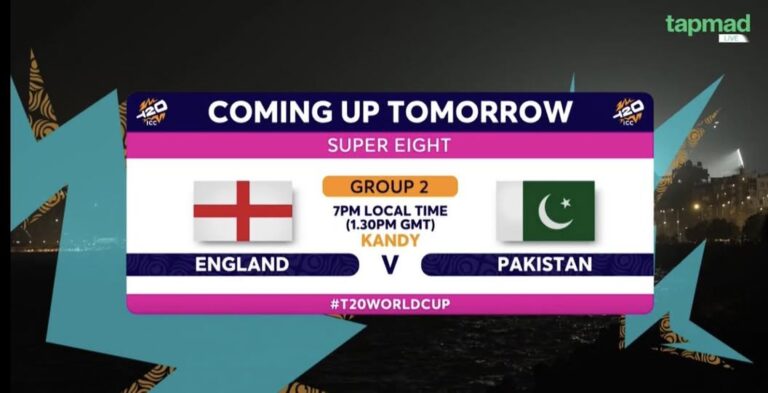
Here’s where things get really interesting. Mohsin Naqvi confirmed that if Pakistan decides to pull out, the ICC already has contingency plans. Another team would simply take Pakistan’s spot in the tournament lineup, ensuring the T20 World Cup 2026 groups remain complete.
This revelation shows the ICC is preparing for all scenarios, though it also raises questions about how easily a top cricket nation could be replaced. Pakistani supporters worry this could set a dangerous precedent for future tournaments.
Potential Consequences of Withdrawal:
- Loss of automatic qualification for future ICC events
- Severe financial penalties and sanctions
- Missing crucial world ranking points
- Disappointing millions of passionate fans
- Strengthening competitors who would benefit from absence
Bangladesh Controversy Adds Fuel to Fire
The situation became even messier when Scotland replaced Bangladesh in the tournament under controversial circumstances. Naqvi didn’t hold back, calling the treatment of Bangladesh Cricket Board “unjust” and claiming their legitimate security concerns were dismissed.
According to insider sources, the Bangladesh issue was brought before the ICC board, where 14 countries voted against their request to reconsider hosting arrangements. Both Pakistan and Bangladesh stood together in opposition, but they were outvoted.
| Controversy Aspect | Details |
|---|---|
| Bangladesh Removal | Replaced by Scotland despite protests |
| ICC Board Vote | 14 countries voted against Bangladesh |
| Pakistan’s Position | Stood with Bangladesh in opposition |
| Accusations | Claims of favoritism toward India |
This controversy has sparked serious debates about fairness in international cricket governance. Many observers are questioning whether the ICC treats all member nations equally or if certain countries receive preferential treatment.
PCB’s Strong Stand Against Cricket Monopoly
Mohsin Naqvi made a powerful statement that resonated across cricket circles. He insisted that no single country should be allowed to dictate terms or impose their opinions on international cricket. This comment, though not naming India directly, was widely understood as a reference to the perceived imbalance of power in cricket’s governing structure.
The PCB Chairman’s words reflect growing frustration among smaller cricket boards who feel their voices aren’t heard equally. Pakistan’s stance could encourage other nations to speak up about governance issues within the ICC.
What This Means for Fans and Players
Pakistani cricket supporters are caught in an impossible situation. On one hand, they desperately want to see their team compete in the tournament schedule alongside the world’s best. On the other hand, they understand the complex political realities their government must navigate.
Players face even tougher challenges. Missing a World Cup could derail careers, especially for younger cricketers hoping to make their mark on the global stage. The uncertainty makes preparation nearly impossible when they don’t know if they’ll even be competing.
Impact on Different Stakeholders:
- Players: Career opportunities at risk, uncertain preparation
- Fans: Emotional disappointment, wasted ticket and travel plans
- Sponsors: Marketing campaigns in jeopardy
- Broadcasters: Programming schedules need backup plans
- ICC: Tournament credibility questioned
The Broader Cricket Politics Picture
This standoff reveals uncomfortable truths about how modern cricket operates. Tournament hosting decisions, team participation, and even rule changes often reflect political considerations rather than purely sporting merit.
The fact that government ministers are making cricket participation decisions shows how the sport has become a diplomatic tool. Cricket matches between certain nations attract massive viewership and generate enormous revenue, giving governments leverage in negotiations.
What Happens Next?
Everyone in the cricket world is watching and waiting for Pakistan’s Prime Minister to return and make the final call. The decision will likely come after extensive consultations with security advisors, foreign policy experts, and cricket administrators.
If Pakistan withdraws, it would mark one of the biggest shocks in tournament history. A traditional powerhouse missing from the latest cricket updates would fundamentally change the competition’s dynamics and likely trigger a broader conversation about cricket’s future.
Frequently Asked Questions
When will Pakistan announce their final decision? The decision will be made after the Prime Minister returns from his current commitments. No specific date has been announced, but it’s expected within the coming weeks.
Can the ICC force Pakistan to participate? No, the ICC cannot force any nation to participate, but they can impose sanctions and penalties if a team withdraws after committing to play.
Who would replace Pakistan if they pull out? The ICC hasn’t officially announced a replacement team, but the process would likely involve the next highest-ranked team in qualifying or a regional representative.
How does this affect Pakistan’s ICC ranking? Withdrawing from a major tournament could result in significant ranking point deductions and might affect automatic qualification for future events.
What are Pakistan’s main concerns about participating? The primary concerns involve political tensions with the host nation and security considerations for the traveling squad.
Has any major cricket nation ever withdrawn from a World Cup before? While individual teams have boycotted tournaments in cricket’s past, a voluntary withdrawal from a T20 World Cup by a top-tier nation would be unprecedented in the modern era.