T20 World Cup 2026 Venues & Stadiums: Complete List (India & Sri Lanka)
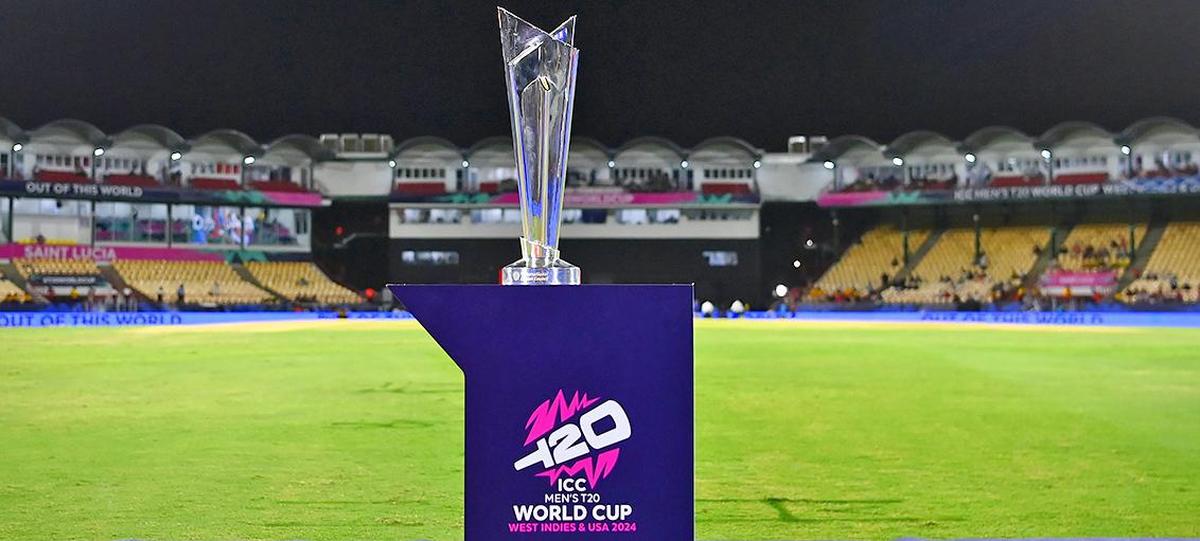
The countdown has hit the final stretch. As we stand in late January 2026, the cricketing world is just days away from a tournament that promises to be a study in contrasts. The 10th edition of the ICC Men’s T20 World Cup isn’t just a tournament; it is a logistical marvel co-hosted by two nations that share a love for the game but offer vastly different experiences: the colossal, high-octane energy of India and the rhythmic, carnival-esque soul of Sri Lanka.
This guide takes you deep into the heart of the eight venues chosen to stage this spectacle. From the largest stadium in the world to a historic colonial club in Colombo, here is where history will be written this February.
The “Hybrid” Hosting Model: A Unique Twist
Before diving into the stadiums, it is crucial to understand the unique geography of this World Cup. The 2026 edition operates on a carefully curated “Hybrid Model” to accommodate geopolitical realities.
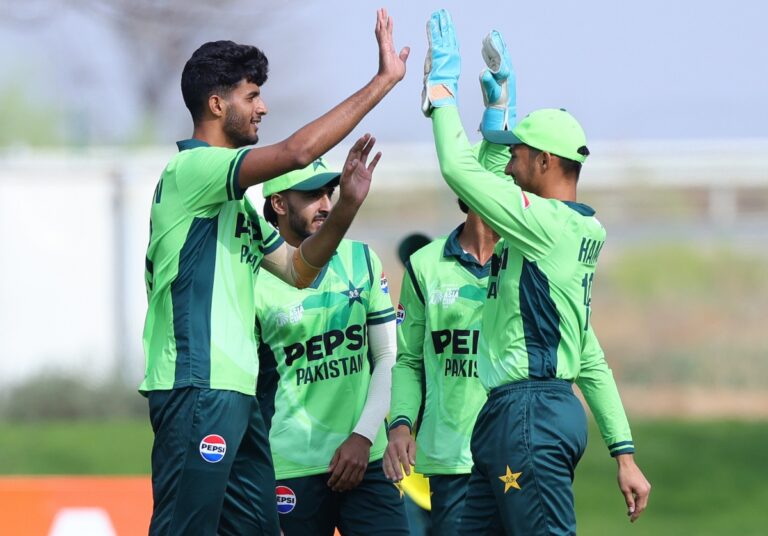
- The Pakistan Factor: In a massive logistical decision, the Pakistan national team will play all their matches in Sri Lanka.
- The “Floating” Final: While the Grand Final is scheduled for the Narendra Modi Stadium in Ahmedabad, there is a distinct clause: If Pakistan qualifies for the final, the venue will shift to the R. Premadasa Stadium in Colombo. This adds a layer of dramatic uncertainty to the venue planning that we rarely see in modern sport.
🇮🇳 The Indian Colosseums: Scale, Noise, and History
India is hosting the majority of the matches (35 out of 55), and the BCCI has selected five venues that represent the diverse cricketing cultures of the nation.
1. Narendra Modi Stadium (Ahmedabad)
- Capacity: 132,000
- Role: The Crown Jewel / Scheduled Final Host
- The Vibe: Intimidating Scale.
If cricket has a modern-day Colosseum, this is it. The sheer scale of the Narendra Modi Stadium is hard to comprehend until you are sitting in the upper tier, looking down at players who look like ants.
- Pitch Conditions: The black and red soil pitches here can vary, but generally, it offers good bounce. Under lights in February, the ball skids on beautifully, making it a chasing venue.
- Why it Matters: This is where the tournament’s climax is planned (subject to the Pakistan clause). The silence of 100,000+ people when a wicket falls is just as deafening as their roar.
2. Wankhede Stadium (Mumbai)
- Capacity: 33,000
- Role: Semi-Final Host / The Heartbeat
- The Vibe: Electric & Claustrophobic.
Don’t let the smaller capacity fool you; the acoustics at the Wankhede make it the loudest cricket stadium in the world. The stands are steep and close to the boundary, creating a “pressure cooker” atmosphere that visiting teams often find suffocating.
- Pitch Conditions: The red soil ensures true bounce and pace. It is a batter’s paradise where “safe” scores are often chased down with ease. Expect high-scoring thrillers here.
3. Eden Gardens (Kolkata)
- Capacity: 66,000
- Role: Semi-Final Host / The Spiritual Home
- The Vibe: Romantic & Passionate.
Eden Gardens brings a sense of history that money can’t buy. It is the designated host for the first Semi-Final (unless Pakistan qualifies, in which case it moves to Colombo).
- Pitch Conditions: Once a spinner’s web, the new Eden tracks are faster and assist swing bowlers early on due to the proximity to the Hooghly River. The outfield is lightning fast.
4. M.A. Chidambaram Stadium (Chennai)
- Capacity: 38,000
- Role: The Tactician’s Battleground
- The Vibe: Knowledgeable & Humid.
Known as “Chepauk,” this venue is for the cricket purist. The Chennai crowd is famously sporting, applauding good cricket regardless of the team.
- Pitch Conditions: Traditionally spin-heavy. The pitch tends to grip and turn, making 160 a match-winning score. This is where the “power hitters” will struggle and the “technical batters” will thrive.
5. Arun Jaitley Stadium (Delhi)
- Capacity: 41,000
- Role: The Northern Fortress
- The Vibe: Gritty & Urban.
Delhi hosts key group stage matches. The stadium is compact with short boundaries, often negating good bowling figures with mishits that fly for six.
- Pitch Conditions: Historically low and slow, but recent renovations for the 2023 ODI World Cup saw it transform into a batting highway. In February 2026, expect cool evenings and potential dew factors to play a massive role in the captain’s decision at the toss.
🇱🇰 The Sri Lankan Fortresses: Rhythm, Sea Breeze, and Revival
Sri Lanka will host 20 matches, including all of Pakistan’s fixtures. The island nation offers a starkly different flavor—more relaxed, musical, and humid.
6. Sinhalese Sports Club (SSC) (Colombo)
- Capacity: 10,000 (Expanded temporarily)
- Role: The Historic Return
- The Vibe: Aristocratic & Serene.
This is the big story of 2026. As you noted earlier, the SSC returning to the World Cup fold is a massive moment. Often called the “Lord’s of Sri Lanka,” the SSC is usually reserved for Test cricket. Its inclusion serves as a nod to tradition.
- Recent Upgrades: Significant work has been done to modernize the press box and floodlights for high-definition broadcast, ensuring the classic pavilion charm meets modern tech standards.
- Pitch Conditions: A true surface that rewards technique. Unlike the massive Indian grounds, the boundaries here feel intimate.
7. R. Premadasa Stadium (Colombo)
- Capacity: 35,000
- Role: The Party Hub / Potential Final Host
- The Vibe: A Carnival.
If SSC is the “Lord’s,” Premadasa is the “party.” This is where the famous Papare bands play non-stop trumpets and drums.
- The “Pakistan” Hub: This stadium will be the home base for the Pakistan team.
- Pitch Conditions: It usually takes spin, but under lights, the sea breeze can help swing bowlers. It is the most versatile venue in Sri Lanka.
8. Pallekele International Cricket Stadium (Kandy)
- Capacity: 35,000
- Role: The Scenic Beauty
- The Vibe: Misty & Picturesque.
Located in the hills of Kandy, this is arguably one of the most beautiful grounds in the world. It will host key Group B clashes.
- Pitch Conditions: Different from Colombo. Being at a higher altitude, the ball travels faster through the air, and there is often significant movement for seamers in the first 6 overs, especially under the lights.
Strategic Analysis: How Venues Will Decide the Winner
The 2026 World Cup won’t just be won by the team with the best players, but by the team that adapts best to the traveling logistics.
- The Dew Factor: Matches in North India (Delhi, Ahmedabad) in February will see heavy dew. Win the toss, bowl first.
- The “Switch” Strategy: Teams moving from the bounce of Mumbai to the slow turn of Colombo will need to adjust their bat-swings overnight.
- The “Home” Advantage: While India plays at home, Pakistan effectively has a “second home” in Sri Lanka. Having a fixed base in Colombo/Kandy without the fatigue of cross-country travel might actually give Pakistan a hidden physical advantage over teams flying between Kolkata and Mumbai.
Venue Quick-Reference Guide
| Venue | City | Capacity | Key Trait | Best For |
| Narendra Modi Stadium | Ahmedabad | 132,000 | The Final* | Fast Bowling & Spectacle |
| Eden Gardens | Kolkata | 66,000 | Atmosphere | Swing Bowling |
| Wankhede Stadium | Mumbai | 33,000 | Bounce | Power Hitting |
| M.A. Chidambaram | Chennai | 38,000 | Spin | Tactical Captaincy |
| Arun Jaitley | Delhi | 41,000 | Short Boundaries | High Scores |
| R. Premadasa | Colombo | 35,000 | Pakistan’s Base | Spin & Atmosphere |
| SSC Ground | Colombo | 10,000 | Historic Charm | Classic Batting |
| Pallekele | Kandy | 35,000 | Hill Country | Seam Movement |
*Note: Final venue subject to change if Pakistan qualifies.