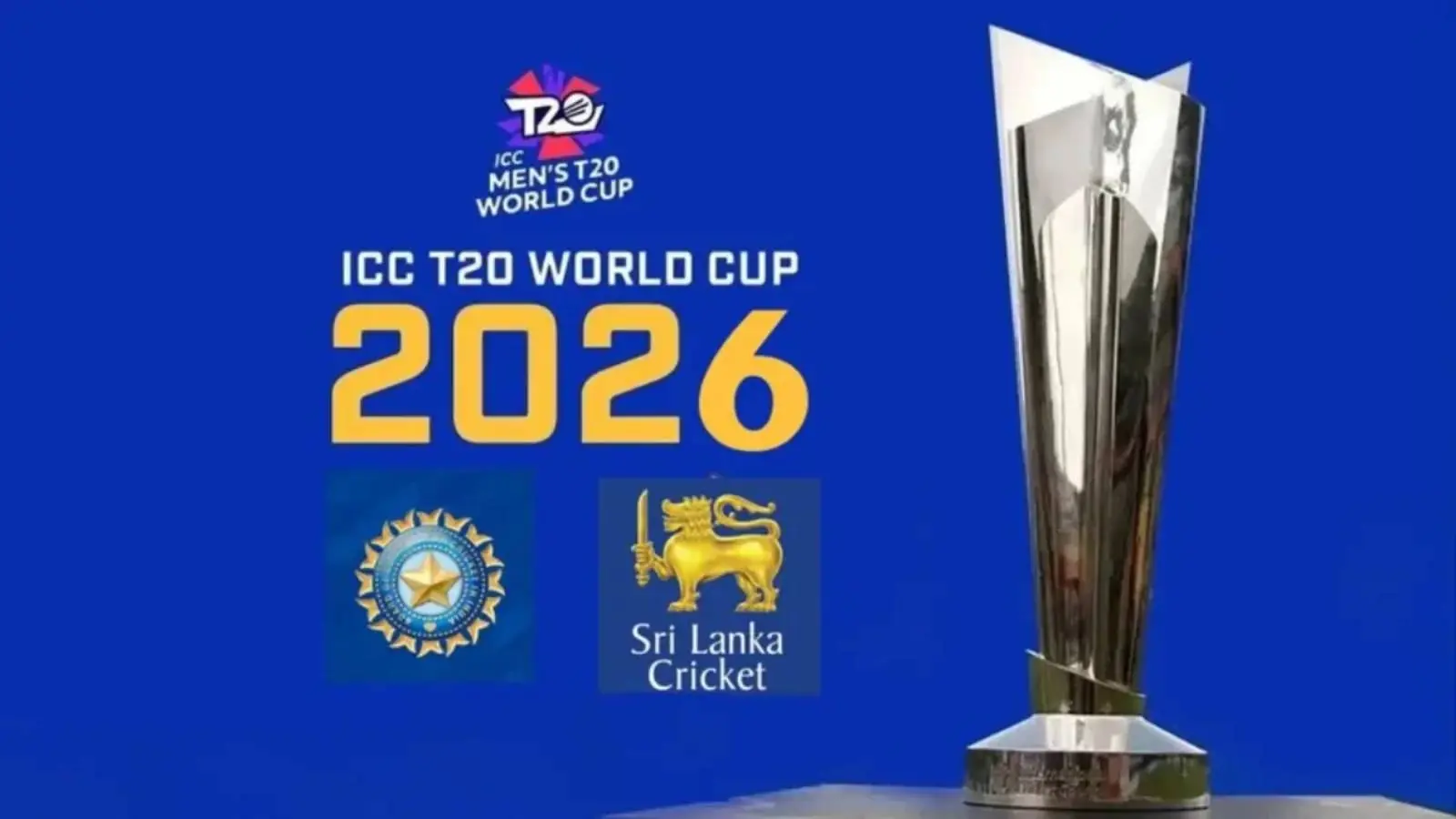
The Hybrid Model Explained: How T20 World Cup 2026 Rewrote the Rules of Hosting (India & Sri Lanka)
The 2026 ICC Men’s T20 World Cup is not just another cricket tournament; it is a masterclass in diplomatic compromise and logistical gymnastics. When the International Cricket Council (ICC) announced that India and Sri Lanka would co-host the event, few predicted the complexity that would follow.

We are witnessing history. For the first time in World Cup history, we have a “Floating Final”—a championship match that has two potential venues depending on which teams qualify. We have a “Hybrid Model” that splits the tournament across the Palk Strait, not just for geography, but for geopolitics.
If you are a fan trying to book tickets or a cricket geek analyzing the schedule, understanding this Hybrid Model is crucial. Here is the deep dive into how the 2026 T20 World Cup is actually going to work.
What is the “Hybrid Model”?
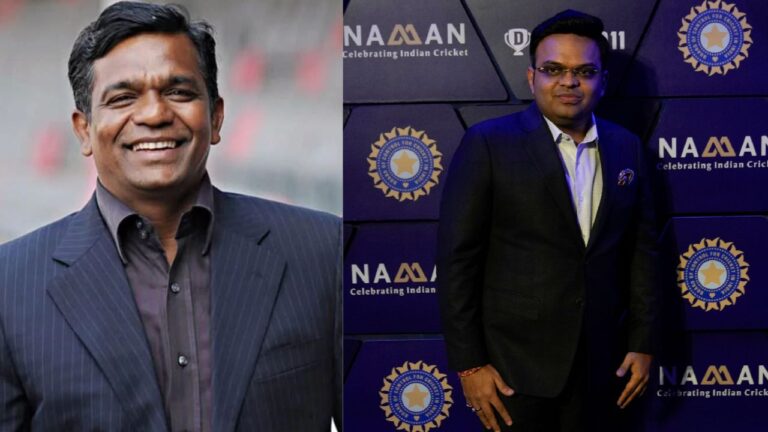
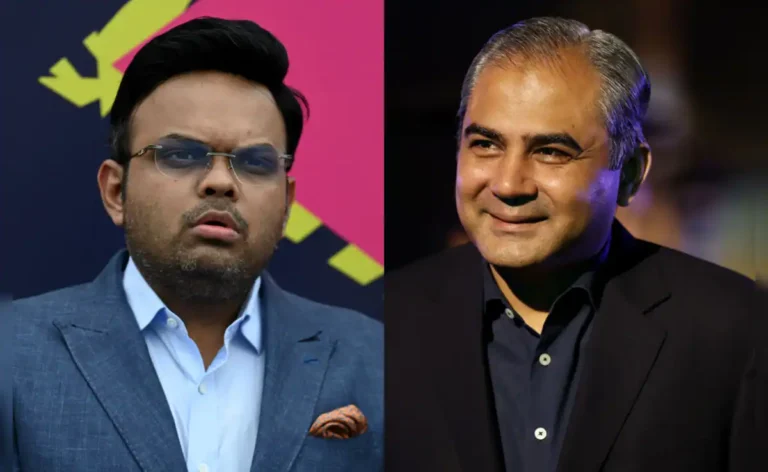
In simple terms, the Hybrid Model is a hosting arrangement designed to accommodate the participation of Pakistan in an event hosted primarily by India.
Given the longstanding political tensions between the two neighbors, the Board of Control for Cricket in India (BCCI) and the Pakistan Cricket Board (PCB) reached a landmark agreement in late 2024. The core principles are:
- India as the Primary Host: The vast majority of the tournament (Group A, C, D matches, and the Super 8s) takes place in India.
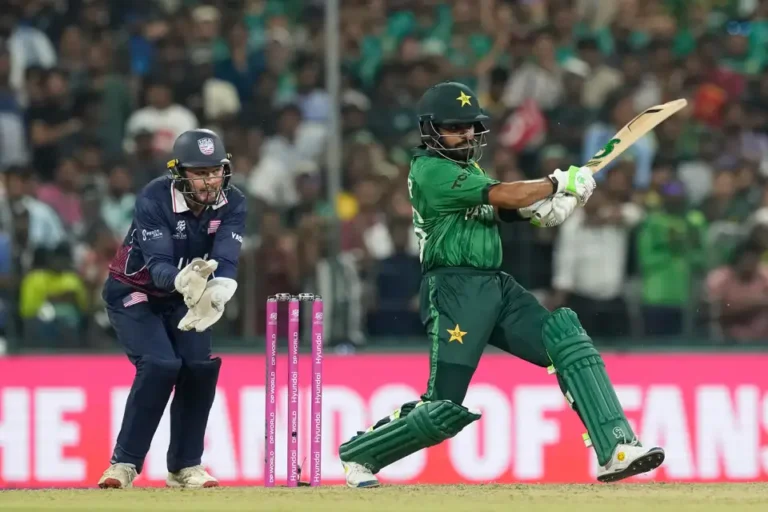
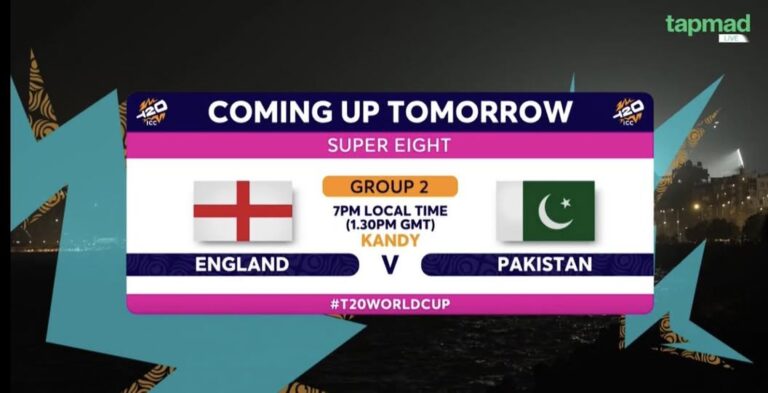
- Sri Lanka as the Neutral Base: Sri Lanka acts as the exclusive host for the Pakistan cricket team. Regardless of who else plays where, Pakistan will play all their matches (Group stage and Super 8s) on Sri Lankan soil.
- No Cross-Border Travel: Pakistan will not travel to India at any stage of the tournament.
This model was effectively test-driven during the Asia Cup 2023, but doing it on a World Cup scale—with 20 teams and global broadcasting requirements—is a beast of a different nature.
The “Floating Final”: The Biggest Twist
This is the most unique (and perhaps stressful) feature of the 2026 World Cup. Usually, the venue for a World Cup Final is set in stone years in advance. Not this time.
Plan A (The Default): By default, the Final on March 8, 2026, is scheduled to be held at the colossal Narendra Modi Stadium in Ahmedabad, India. With a capacity of 132,000, it is the perfect stage for a global showdown.
Plan B (The Contingency): However, the ICC has inserted a specific clause: If Pakistan qualifies for the Final, the match cannot be held in Ahmedabad. Instead, the entire circus—teams, broadcasters, officials, and fans—will shift to the R. Premadasa Stadium in Colombo, Sri Lanka.
Why this matters for fans: Imagine being a fan booking travel. You book a flight to Ahmedabad for the final. Suddenly, Pakistan wins the semi-final, and within 48 hours, the venue shifts 2,000 kilometers south to Colombo. This “If-Then” scenario adds a layer of suspense that no other cricket tournament has ever seen.
The Venue Breakdown: Who Plays Where?
The 55 matches are split between 8 venues. Here is how the geography dictates the cricket:
1. The Indian Hub (Groups A, C, D)
Five stadiums in India will shoulder the bulk of the workload. These pitches are expected to be batting-friendly, offering high scores.
- Ahmedabad (Narendra Modi Stadium): Scheduled for big ticket matches and the Final (subject to Plan B).
- Mumbai (Wankhede Stadium): The historic venue will host Semi-Final 2.
- Kolkata (Eden Gardens): Scheduled for Semi-Final 1. (Note: If Pakistan reaches this semi-final, this match also shifts to Colombo).
- Chennai (Chepauk) & Delhi (Arun Jaitley): These spin-friendly tracks will host the majority of Group D (Afghanistan, New Zealand, South Africa) matches.
2. The Sri Lankan Hub (Group B & Pakistan)
Sri Lanka is not just a co-host; it is the “Safety Valve” of the tournament.
- Colombo (SSC & R. Premadasa): These grounds will host the tournament opener and the high-voltage India vs. Pakistan clash on Feb 15. Yes, even though India is the main host, they will travel to Sri Lanka for this specific derby.
- Kandy (Pallekele): Set amidst the hills, this venue hosts Group B (Australia, England, Scotland) matches.
The Bangladesh Withdrawal & Scotland’s Entry
Just when the Hybrid Model seemed settled, January 2026 brought a new shock. The Bangladesh Cricket Board (BCB) withdrew from the tournament citing security and diplomatic standoffs with the host nation, India.
This was a massive blow to the “Asian” feel of the World Cup. However, the show must go on. The ICC invoked its replacement protocol, and Scotland—the highest-ranked team not already qualified—was drafted into Group C.
- Impact on the Model: While Bangladesh’s matches were originally scheduled for Kolkata (close to their border), Scotland’s entry has actually simplified security logistics. Scotland will now play their fixtures in India without the diplomatic baggage, paradoxically making the “Hybrid” operations smoother for the BCCI.
Logistical Nightmares vs. Fan Experience
While the Hybrid Model solves the political deadlock, it creates new challenges for the teams.
1. The Travel Disadvantage: Teams in Group A (India, Pakistan, USA, Netherlands, Namibia) have a brutal schedule.
- India starts in India, flies to Sri Lanka to play Pakistan, and then flies back to India for the rest of the group stage.
- Pakistan sits comfortable in Sri Lanka.
- Neutral teams like the USA and Netherlands have to hop between the two nations, dealing with visas, different currencies, and varying climate conditions (humid Colombo vs. dry Ahmedabad).
2. The Pitch Factor: The conditions in India and Sri Lanka are vastly different in February.
- India: End of winter. Dew is a major factor in North India (Delhi/Mohali), meaning “Win Toss, Bowl First” becomes the law.
- Sri Lanka: It is hot and humid. The pitches at R. Premadasa usually take a turn, favoring spinners like Wanindu Hasaranga or India’s Kuldeep Yadav. Teams moving between these two conditions will have to adapt their XIs rapidly.
Why This Tournament is “Worth It”
Despite the confusing logistics, the 2026 T20 World Cup is shaping up to be a classic. Why? Because scarcity creates value.
The fact that India and Pakistan are playing in a neutral venue (Colombo) rather than Ahmedabad actually creates a balanced atmosphere. It won’t be a one-sided 100,000 strong Indian crowd; it will be a mixed, vibrant South Asian crowd.
Moreover, the “Hybrid Model” is a testament to cricket’s resilience. In an era where politics often stops sport, cricket found a way. It’s messy, it’s complicated, and it’s expensive—but it ensures that the best players in the world, from Babar Azam to Suryakumar Yadav, are on the same global stage.
Final Thoughts: Buckle Up
As we move closer to the opener on February 7, 2026, keep your eyes on the news. The Hybrid Model is a living, breathing experiment. But one thing is certain: whether the final is under the lights of the colossal Narendra Modi Stadium or amidst the buzzing papare bands of Colombo, the 2026 T20 World Cup will be unforgettable.
For the latest squad updates, schedule changes, and ticket info, keep following T20WorldCup2026.com – your #1 source for the Hybrid World Cup.
Key Takeaways for the Reader (Summary Box)
- Primary Host: India.
- Pakistan’s Host: Sri Lanka (Matches held in Colombo/Kandy).
- India vs Pakistan: Played in Colombo, Sri Lanka.
- The Final: Scheduled for India (Ahmedabad), but moves to Sri Lanka if Pakistan qualifies.
- New Team: Scotland replaced Bangladesh in Group C.