
Bangladesh Rejects ICC Plea, Refuses to Play T20 World Cup in India
The crisis threatening to overshadow the ICC Men’s T20 World Cup 2026 has officially escalated from a diplomatic disagreement to a full-blown deadlock.
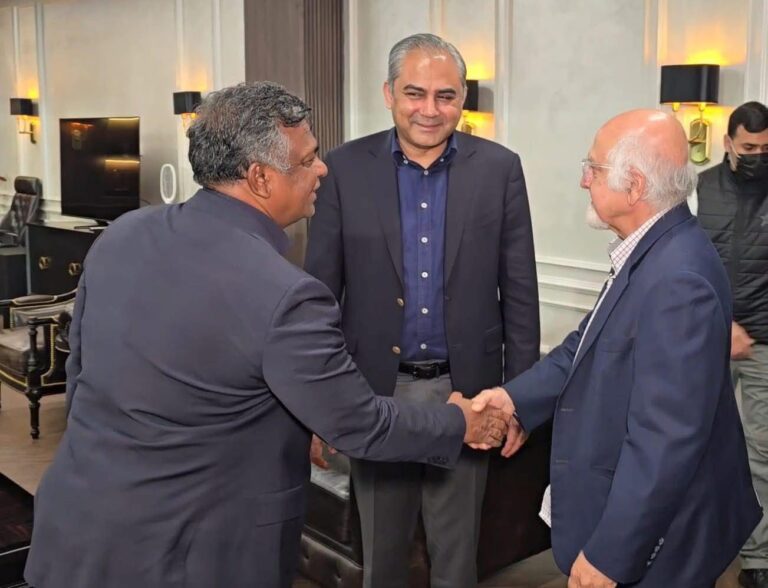
In a high-stakes video conference held on Tuesday, January 13, the Bangladesh Cricket Board (BCB) categorically rejected the International Cricket Council’s (ICC) plea to reconsider their boycott of Indian venues. Despite the tournament being less than a month away, the BCB has “reaffirmed its position,” insisting that they will not travel to India for the group stages due to safety concerns and escalating political tensions.

With the tournament opener scheduled for February 7, the governing body and the BCB are now locked in a dangerous game of brinkmanship that could result in forfeitures, sanctions, or a chaotic last-minute schedule overhaul.
The Meeting: An Unresolved Deadlock
Tuesday’s virtual meeting was expected to be the moment the ICC exerted its authority to bring Bangladesh back into the fold. Instead, the BCB held its ground.
According to a media release from the BCB following the call:
“The BCB reaffirmed its position regarding the decision not to travel to India, citing security concerns. The board also reiterated its request for the ICC to consider relocating Bangladesh’s matches outside India.”
The ICC’s counter-argument was logistical. Officials highlighted that the tournament itinerary had been finalized months ago, tickets were sold, and security plans were in place. They requested the BCB to be pragmatic. However, the BCB remained unmoved, stating they remain committed to “safeguarding the well-being of its players, officials, and staff.”
The only silver lining? The door isn’t entirely bolted shut. Both parties agreed that “discussions will continue to explore possible solutions,” though time is rapidly running out.
The Root of the Conflict: The Mustafizur-KKR Fallout
To understand why a cricket board is willing to risk World Cup participation, one must look at the incident that sparked this fire.
The controversy centers on Bangladesh’s premier pacer, Mustafizur Rahman. The left-arm seamer had been signed by the IPL franchise Kolkata Knight Riders (KKR) for the 2026 season. However, in a move that shocked the cricketing fraternity, the Board of Control for Cricket in India (BCCI) reportedly instructed KKR to release Mustafizur from the squad.
While the BCCI offered no official reason, the move is widely believed to be a reaction to recent political tensions between New Delhi and Dhaka. The BCB viewed this “forced removal” not just as a professional slight, but as a national humiliation.
The Retaliation: Bangladesh didn’t just issue a statement; they hit back commercially. Earlier this month, the Bangladesh Ministry of Information banned the broadcast of the Indian Premier League (IPL) within the country. The government stated the decision was taken “in public interest,” citing that the BCCI’s treatment of Mustafizur had caused “distress among the people of Bangladesh.”
The Schedule Nightmare
The T20 World Cup 2026 is being co-hosted by India and Sri Lanka from February 7 to March 8. Unfortunately for the ICC, the draw placed Bangladesh in a group that is almost entirely based in India.
Bangladesh’s Scheduled Itinerary:
- Venues: Three matches in Kolkata (Eden Gardens) and one in Mumbai (Wankhede).
- The Problem: Kolkata is the home of KKR, the very franchise at the center of the dispute. The BCB argues that the atmosphere in the city could be hostile toward their players given the current political climate.
The BCB’s solution is simple on paper but complex in practice: move their Group C matches to Sri Lanka, the co-host nation. The ICC, however, argues that shifting four international matches involving teams like England and the West Indies at three weeks’ notice is a logistical impossibility.
What Happens Next? Three Scenarios
As the clock ticks toward February 7, three scenarios are emerging:
1. The ICC Blinks (Venue Shift): To save the integrity of the tournament, the ICC could rush to reschedule Bangladesh’s matches to a neutral venue like Colombo or Dhaka (if they host their own games, though unlikely). This would be a logistical nightmare but would ensure participation.
2. The BCB Blinks (Travel to India): Under threat of suspension or heavy financial penalties (loss of ICC revenue share), the BCB might eventually agree to travel, provided they receive “Head of State” level security assurances from the Indian government.
3. The Nuclear Option (Forfeiture): If neither side budges, Bangladesh could refuse to board the plane. The ICC would likely award walkovers to their opponents (West Indies, England, Italy, Nepal). This would be catastrophic for the tournament’s commercial value and would likely lead to Bangladesh being suspended from international cricket for a period.
Conclusion: Cricket Held Hostage
The situation remains fluid. While the ICC insists the show must go on, the BCB has made it clear that national pride and player safety—as they perceive it—take precedence over points tables.
For the fans in Dhaka and Kolkata, who share a deep passion for the game, the uncertainty is agonizing. The “Bengal Derby” is usually a celebration of cricket. Right now, it looks more like a battleground where no play is possible.