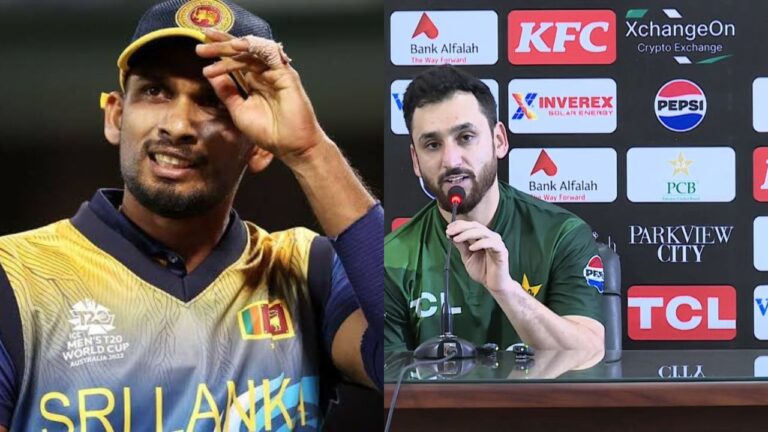

Bangladesh Refuses ICC Pressure on T20 World Cup Venue: Won’t Play in India Under Threats
The standoff between Bangladesh and the International Cricket Council has reached a critical point just weeks before the T20 World Cup 2026 kicks off. Bangladesh’s sports adviser Asif Nazrul made it crystal clear—they won’t be bullied into accepting conditions they consider unfair, especially when it comes to playing their group matches in India. With an ICC-imposed deadline looming and Scotland potentially waiting in the wings, this situation could reshape the entire tournament structure before it even begins.
The T20 World Cup 2026, set to be co-hosted by India and Sri Lanka from February 7 to March 8, promises thrilling cricket action across multiple venues. However, Bangladesh’s participation hangs in the balance as security concerns and political tensions threaten to derail their campaign before a single ball is bowled.

What’s Behind Bangladesh’s Strong Stance?
Bangladesh Cricket Board has consistently raised red flags about traveling to India for the upcoming World Cup, citing genuine security concerns. Despite multiple rounds of discussions with ICC officials who’ve offered safety assurances, no breakthrough has emerged. The core issue? Bangladesh wants the venue changed for their group matches—three scheduled in Kolkata and one in Mumbai.
Asif Nazrul didn’t mince words when addressing the media: “If the ICC exerts pressure or bows down to the Indian cricket board (BCCI) and imposes any unreasonable conditions, or puts pressure on us, we will not accept those conditions.”
Key Points of Contention
| Issue | Bangladesh’s Position | ICC’s Response |
|---|---|---|
| Match Venue | Demanding alternate venue outside India | Insisting on original schedule in Kolkata & Mumbai |
| Security Concerns | Citing safety issues for players | Offering enhanced security arrangements |
| Deadline | Calling it “unreasonable pressure” | Set January 21 as final decision date |
| Precedent | Pointing to Pakistan’s past venue changes | No official comment on venue flexibility |
The BCCI Factor: Mustafizur Rahman’s IPL Exclusion
Things got messier when Kolkata Knight Riders dropped Bangladesh fast bowler Mustafizur Rahman from their IPL squad—a move widely seen as connected to the escalating political tensions between India and Bangladesh. While the BCCI hasn’t officially explained the decision, it’s hard to ignore the timing.
This development added fuel to an already burning fire, with many viewing it as the BCCI flexing its considerable influence over cricketing matters in the region.
Bangladesh’s Historical Argument: The Pakistan Precedent
Nazrul made a compelling point by referencing past precedents: “In the past, there are examples that Pakistan said that they will not travel to India and ICC changed the venue. We have asked to change the venue on logical ground and we cannot be pressurised to play in India by putting illogical pressure.”
This isn’t just empty rhetoric. The ICC has previously shown flexibility when political situations demanded venue changes. Bangladesh is essentially asking: why should our security concerns be treated differently?
The January 21 Deadline Drama
The ICC, now led by former BCCI secretary Jay Shah, has drawn a line in the sand—January 21 is decision day. But here’s where things get interesting: BCB media committee chairman Amjad Hossain earlier denied that any specific deadline was communicated during their January 17 meeting with ICC representatives.
“They told us that they will inform the ICC about the issues and will let us know about the decision later on,” Amjad stated. “In regard to these talks, they have not mentioned a specific date or when they will let us know.”
So who’s telling the truth? The conflicting statements only add another layer of confusion to an already complex situation.
Will Scotland Replace Bangladesh?
Rumors have been swirling about Scotland potentially stepping in as Bangladesh’s replacement. However, Nazrul dismissed these reports: “We have not heard anything about Scotland being included instead of us.”
What Happens If Bangladesh Withdraws?
| Scenario | Impact |
|---|---|
| Bangladesh plays in India | Tournament proceeds as planned; political tensions remain |
| Venue changed for Bangladesh | Sets precedent for future disputes; BCCI potentially loses face |
| Bangladesh withdraws | Scotland likely replacement; Group dynamics completely change |
| Stalemate continues | Tournament chaos; last-minute scheduling nightmare |
What This Means for the T20 World Cup 2026
This controversy threatens to overshadow what should be an exciting tournament celebration. The T20 World Cup 2026 features 20 teams competing for cricket’s most prestigious trophy in the shortest format. Bangladesh, ranked among Asia’s competitive cricket nations, pulling out would significantly alter group stage calculations and viewer interest.
The commercial implications are massive too. Broadcast deals, ticket sales, and sponsor commitments all depend on confirmed team participation. Every day of uncertainty costs millions.
Expert Opinions: Is Bangladesh’s Demand Reasonable?
Cricket analysts are divided. Some argue that player safety should always come first and that Bangladesh’s concerns deserve serious consideration. Others point out that accepting such demands could set a dangerous precedent where any team could refuse to play in certain countries based on political grievances.
Former cricketers have weighed in too, with many sympathizing with Bangladesh’s position while acknowledging the ICC’s difficult balancing act between security concerns and tournament integrity.
The Political Undercurrent
Let’s not pretend this is purely about cricket. The recent political turbulence between India and Bangladesh has spilled over into sports. The interim Muhammad Yunus-led government in Bangladesh faces domestic pressure to take a firm stance, while India’s sporting establishment won’t appreciate being portrayed as an unsafe host just weeks before a major tournament.
Both nations have historically enjoyed strong cricketing ties, making this dispute particularly unfortunate. The game itself becomes collateral damage in a larger geopolitical chess match.
What Needs to Happen Next?
For this deadlock to break, someone needs to blink first. Here are the possible paths forward:
- Compromise venue: Move some Bangladesh matches to Sri Lanka while keeping others in India
- Enhanced security package: Bangladesh accepts India venues with unprecedented security measures
- Third-party mediation: A neutral cricket board helps facilitate discussions
- Tournament restructuring: Complete group stage redesign accommodating Bangladesh’s concerns
Impact on Other Teams
This isn’t just Bangladesh’s problem. Other teams in their group are watching nervously, knowing that any last-minute changes could affect their preparation schedules and travel plans. Uncertainty breeds chaos, and chaos isn’t good for competitive cricket.
Players from other nations have reportedly expressed frustration at the ongoing drama, wanting clarity so they can focus on cricket rather than administrative politics.
The Bigger Picture: ICC’s Authority on Trial
Beyond this specific dispute, the ICC’s handling of this situation will define its authority moving forward. Can the governing body enforce its decisions? Does the BCCI’s influence truly dictate outcomes? Will security concerns always trump scheduled fixtures?
These questions matter because future tournaments will face similar challenges. The precedent set here will echo for years.
Frequently Asked Questions
Why is Bangladesh refusing to play T20 World Cup matches in India?
Bangladesh cites security concerns and political tensions as primary reasons for demanding a venue change. They want their group stage matches moved from Kolkata and Mumbai to alternate locations, preferably outside India.
What is the ICC’s deadline for Bangladesh’s decision?
The ICC has reportedly set January 21, 2026, as the deadline for Bangladesh to confirm their participation. However, BCB officials have disputed whether this specific date was formally communicated during recent meetings.
Could Scotland replace Bangladesh in the T20 World Cup?
While rumors suggest Scotland as a potential replacement, Bangladesh’s sports adviser Asif Nazrul has stated they haven’t received any official information about Scotland being included instead of them.
Has the ICC changed venues for teams before due to political reasons?
Yes, Bangladesh officials point to Pakistan’s past refusals to travel to India, which resulted in venue changes. They argue their request should be treated with similar flexibility based on legitimate security concerns.
When does the T20 World Cup 2026 start?
The T20 World Cup 2026 is scheduled to begin on February 7, 2026, and run through March 8, with matches co-hosted by India and Sri Lanka across multiple venues.
What happens to Bangladesh’s World Cup campaign if they don’t resolve this issue?
If Bangladesh refuses to play in India and no alternative arrangement is reached, they could either withdraw from the tournament entirely or face potential sanctions from the ICC, including possible replacement by another team.
Final Thoughts
With just weeks remaining before the first ball is bowled, this Bangladesh-ICC standoff represents more than just a venue dispute. It’s about player safety, political pressures, organizational authority, and the integrity of international cricket’s flagship events.
Bangladesh has drawn its line in the sand, refusing to be pressured into accepting conditions they view as unreasonable. The ICC faces a test of its diplomatic skills and organizational flexibility. And cricket fans worldwide? They just want to see great cricket without the drama.
The January 21 deadline approaches fast. Whatever happens next will shape not just this tournament, but how international cricket handles similar conflicts in the future. One thing’s certain—the cricketing world is watching closely, and the stakes couldn’t be higher.