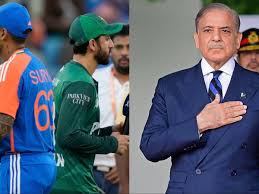
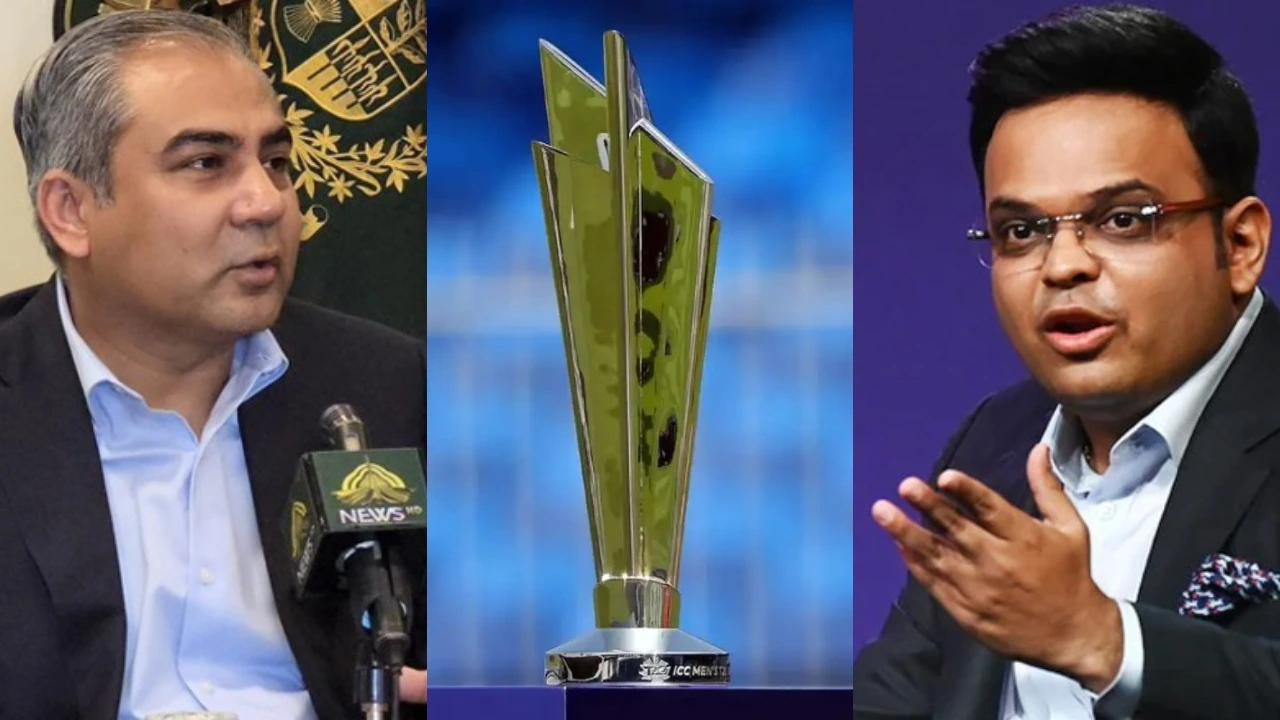
ICC Delegation in Pakistan: Emergency Talks with PCB Chairman Begin in Lahore
Breaking developments as an ICC delegation lands in Pakistan today for emergency negotiations with PCB Chairman Mohsin Naqvi in Lahore. This high-stakes diplomatic mission aims to resolve the deepening India-Pakistan crisis that threatens the T20 World Cup 2026 schedule. With BCB President Aminul Islam also present in Lahore, the stage is set for crucial decisions that could determine the tournament’s future.
ICC Visit Details
| Visit Information | Details |
|---|---|
| Delegation | ICC senior officials |
| Arrival Date | Today (February 08, 2026) |
| Meeting Location | Lahore, Pakistan |
| Key Attendees | PCB Chairman Mohsin Naqvi, BCB President Aminul Islam |
| Purpose | Resolve India-Pakistan match crisis |
| Expected Outcome | Major decisions on tournament structure |
| Stakes | T20 World Cup 2026 viability |
This marks the ICC’s most significant diplomatic intervention as the governing body attempts damage control before the crisis spirals beyond repair.
Who’s Meeting in Lahore?
Key Stakeholders Present
ICC Officials: Senior leadership team empowered to make binding decisions on tournament structure, scheduling, and revenue sharing.
Mohsin Naqvi (PCB Chairman): Pakistan’s cricket chief holding substantial leverage due to the commercial importance of India-Pakistan fixtures.
Aminul Islam (BCB President): Bangladesh’s cricket head playing mediator role, having arrived yesterday for preliminary discussions.
Purpose: Find workable solutions that satisfy Pakistan’s demands while maintaining tournament integrity and ICC’s financial interests.
The convergence of these cricket powerbrokers in Lahore signals the seriousness of the situation. The ICC wouldn’t dispatch high-level officials unless prepared to negotiate meaningfully.
What’s at Stake in These Talks?
The Lahore discussions will address multiple interconnected crises threatening the tournament:
Pakistan’s Core Demands
| Demand Category | Specific Issues | Impact Level |
|---|---|---|
| Revenue Share | Higher percentage of ICC earnings | High |
| Cricketing Ethics | Mandatory handshakes, sportsmanship protocols | Medium |
| Bilateral Cricket | ICC mediation for India-Pakistan series restart | High |
| Tournament Participation | Conditions for continued involvement | Critical |
Financial Reality: Pakistan knows India-Pakistan matches generate 300-400 million viewers and hundreds of millions in revenue. This leverage strengthens their negotiating position considerably.
Ethical Concerns: Pakistan wants ICC enforcement of basic sportsmanship standards, particularly regarding on-field courtesies between Indian and Pakistani players.
Long-term Goals: Beyond this tournament, Pakistan seeks ICC intervention to restart bilateral cricket with India, frozen since 2012-13.
Why is ICC Flying to Pakistan?
The decision to send an official delegation to Lahore rather than holding neutral-venue talks demonstrates ICC’s urgency and willingness to accommodate Pakistan’s position.
Symbolic Gesture: Meeting on Pakistani soil acknowledges PCB’s leverage and shows respect for their concerns.
Direct Negotiation: Face-to-face talks allow nuanced discussions impossible through video conferences or intermediaries.
Time Pressure: With the group stage approaching, every day of delay creates scheduling nightmares and uncertainty for participating teams.
Crisis Escalation: Pakistan’s recent refusal to play India has created unprecedented tension requiring immediate high-level intervention.
Bangladesh’s Mediator Role
BCB President Aminul Islam’s presence adds an interesting dimension to the negotiations:
Regional Diplomacy: Bangladesh maintains good cricket relations with both India and Pakistan, positioning them as honest brokers.
Shared Interests: Bangladesh faces similar scheduling and revenue concerns, making their input valuable for finding solutions.
Yesterday’s Meetings: Aminul Islam’s emergency arrival yesterday allowed preliminary discussions with Mohsin Naqvi before ICC officials arrived.
Tonight’s Departure: His scheduled return to Dhaka tonight suggests he’s facilitating rather than leading the negotiations.
Bangladesh’s involvement signals this crisis affects the entire South Asian cricket ecosystem, not just India and Pakistan.
Expected Outcomes from Today’s Meeting
Several scenarios could emerge from the Lahore discussions:
Scenario 1: Comprehensive Agreement
ICC agrees to Pakistan’s major demands including revenue restructuring and bilateral cricket mediation. Tournament proceeds with modifications acceptable to all parties.
Scenario 2: Partial Compromise
Some demands met immediately (revenue adjustments), others deferred for post-tournament resolution (bilateral cricket). Match proceeds with neutral venue or other accommodation.
Scenario 3: Temporary Truce
Agreement to postpone decision-making while tournament continues under original schedule. Issues addressed through working committee.
Scenario 4: Continued Standoff
No breakthrough achieved, requiring further negotiations and potential tournament restructuring.
The presence of ICC’s top officials in Lahore suggests they’re prepared to offer significant concessions to ensure Pakistan’s participation.
Financial Implications
The stakes couldn’t be higher for ICC’s financial health:
| Revenue Stream | Impact Without Pakistan | Estimated Loss |
|---|---|---|
| Broadcasting Rights | 30-40% reduction | $200-300 million |
| Sponsorships | Major brand withdrawals | $100-150 million |
| Digital Platforms | Reduced viewership | $50-75 million |
| Ticket Sales | Lower demand | $25-40 million |
| Merchandise | Decreased sales | $15-25 million |
Total Potential Impact: $400-600 million in lost revenue if Pakistan withdraws from the tournament.
These numbers explain why ICC officials are willing to travel to Pakistan and negotiate directly rather than risk tournament collapse.
Tournament Schedule Uncertainty
The ongoing crisis creates logistical nightmares for the points table race and team preparations:
Teams in Limbo: Squads don’t know if scheduled matches will proceed, complicating preparation strategies.
Venue Uncertainty: Potential match relocations require massive logistical coordination for teams, media, and fans.
Broadcasting Chaos: Networks need certainty to promote coverage and sell advertising slots.
Fan Confusion: Ticket holders and travelers face uncertainty about match venues and dates.
Today’s Lahore meeting aims to provide clarity before these uncertainties become unmanageable.
Historical Context
This isn’t the first India-Pakistan cricket crisis, but it’s arguably the most serious:
Previous Tensions: Past tournaments have managed to accommodate both nations despite political tensions through careful diplomacy.
Bilateral Freeze: No bilateral series since 2012-13, but multi-nation tournaments have continued bringing them together.
Commercial Evolution: The financial stakes have grown exponentially with modern broadcasting deals, making this crisis more impactful than previous ones.
ICC’s Challenge: Balancing sporting integrity with political realities while protecting commercial interests.
What Happens After Today?
The Lahore talks will likely determine the tournament’s immediate future:
Immediate Announcement Expected: Given the urgency, decisions made today should be announced quickly to calm stakeholder nerves.
Implementation Timeline: Any agreements must be operationalized rapidly given upcoming matches.
Public Messaging: ICC will need careful communication strategy explaining decisions to fans, sponsors, and cricket boards worldwide.
Precedent Setting: Solutions found here could shape how similar crises are handled in future ICC events.
Regional Cricket Politics
This crisis highlights the complex intersection of cricket and geopolitics in South Asia:
Government Involvement: Cricket decisions in this region often require government clearances and approvals.
Fan Passions: Billions of cricket fans across South Asia view India-Pakistan matches with intense emotional investment.
Economic Power: Cricket generates enormous revenue in this region, giving boards significant leverage in international negotiations.
Diplomatic Tool: Cricket has historically served as a bridge during political tensions, making its absence particularly significant.
Frequently Asked Questions
Why are ICC officials visiting Pakistan? ICC officials flew to Pakistan today for emergency talks with PCB Chairman Mohsin Naqvi to resolve the India-Pakistan crisis threatening T20 World Cup 2026.
Who is meeting in Lahore? The meeting includes ICC delegation members, PCB Chairman Mohsin Naqvi, and BCB President Aminul Islam to discuss tournament structure and Pakistan’s demands.
What decisions are expected from today’s talks? Major decisions on revenue sharing, India-Pakistan match scheduling, bilateral cricket mediation, and overall tournament structure are expected.
Why is Bangladesh’s cricket president involved? BCB President Aminul Islam is playing a mediator role, having arrived yesterday for preliminary talks before the ICC delegation’s arrival.
What happens if no agreement is reached? Failure to reach agreement could lead to Pakistan’s withdrawal, potentially costing the ICC $400-600 million in lost revenue and tournament credibility.
When will we know the outcome? Given the urgency and high-level nature of today’s meeting, announcements about decisions should come within 24-48 hours.