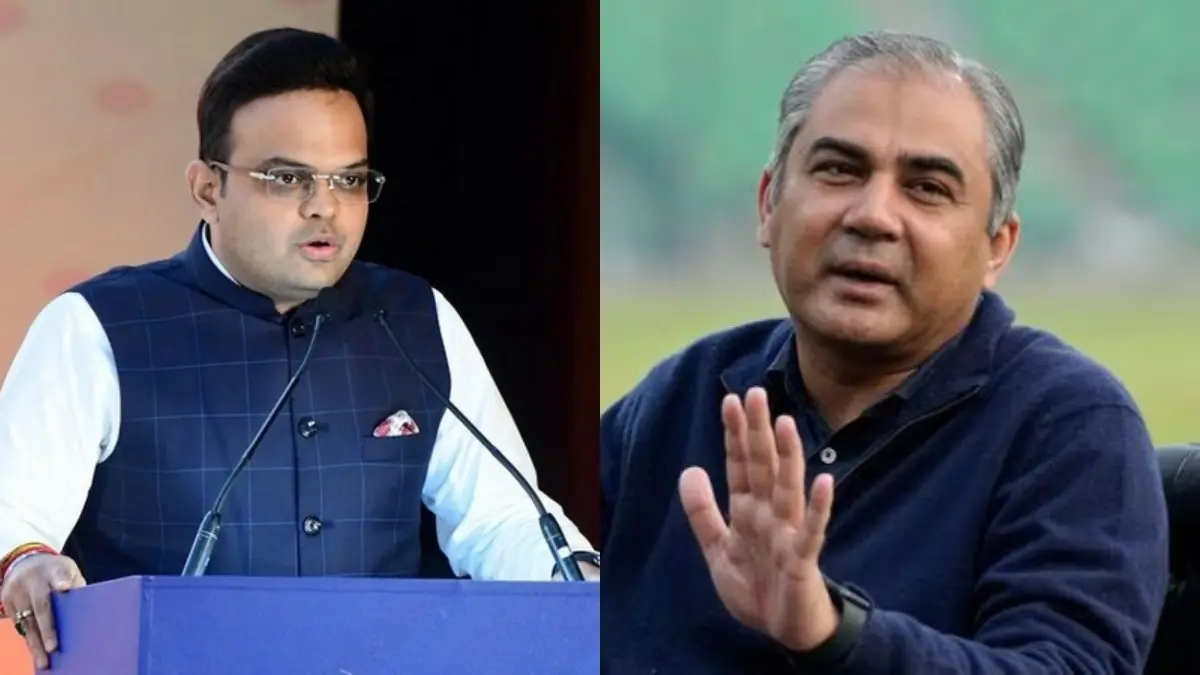
ICC Holds Emergency Talks With PCB As India vs Pakistan T20 World Cup Clash Faces Boycott
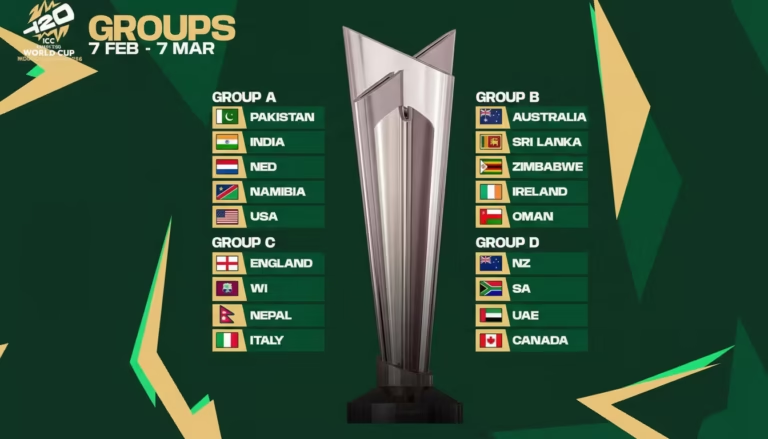
Cricket’s biggest rivalry match faces unprecedented crisis as the ICC scrambles to save the India vs Pakistan clash scheduled for February 15, 2026. The Pakistan Cricket Board invoked the Force Majeure clause following government instructions to boycott the match, triggering emergency negotiations that could reshape the entire tournament.
The drama unfolded after Pakistan’s nail-biting victory against Netherlands in their opener, where they narrowly escaped a major upset. What started as a political statement now threatens millions in revenue and the tournament’s credibility as the T20 World Cup 2026 enters its most controversial phase yet.
What Triggered This Crisis
On February 1, 2026, Pakistan’s government dropped a bombshell. They announced the national team would participate in the tournament but refused to play against India. The PCB had no choice but to follow government directives, creating cricket’s most significant diplomatic standoff in recent memory.
The timing couldn’t be worse. This Group A encounter represents one of cricket’s most valuable properties, worth millions in broadcasting rights, sponsorship deals, and advertising revenue. Losing this match damages everyone involved financially and competitively.
How Pakistan Officially Communicated The Boycott
The PCB took a formal legal route by writing to the ICC and invoking the Force Majeure clause. This legal provision covers unforeseeable circumstances that prevent contractual obligations from being fulfilled. Pakistan attached their government’s official announcement as evidence supporting their position.
What Force Majeure Means:
- Legal clause for extraordinary circumstances
- Covers events beyond reasonable control
- Allows contract suspension without penalties
- Requires substantial proof of impossibility
However, the ICC immediately questioned this approach. How could Force Majeure apply to only one match while Pakistan plays everyone else in the tournament? This logical inconsistency weakened Pakistan’s legal standing considerably.
ICC’s Response and Counter Questions
The International Cricket Council didn’t accept Pakistan’s explanation at face value. They sent detailed queries demanding clarification on several critical points that exposed holes in PCB’s argument.
| ICC Question | Why It Matters |
|---|---|
| Why only one match affected? | Questions Force Majeure validity |
| What mitigation steps taken? | Tests good faith efforts |
| Were alternatives explored? | Shows willingness to compromise |
| Government pressure documented? | Verifies claims authenticity |
These questions put PCB in a difficult position. They must prove genuine impossibility rather than political convenience. The ICC’s approach shows they’re pushing for dialogue while protecting tournament integrity.
Current Status of Negotiations
Following ICC’s formal response, the PCB reached out to initiate discussions about possible resolutions. Sources close to the developments confirm both organizations are exploring options that could save the fixture without compromising either side’s position.
The ICC prefers resolution through dialogue rather than confrontation. This approach makes sense considering the financial stakes involved. Forcing Pakistan’s hand through penalties or expulsion creates worse outcomes than finding middle ground.
Possible Resolution Scenarios:
- Pakistan reverses decision after government consultation
- Match relocated to neutral venue acceptable to both sides
- Postponement to later tournament stage if teams meet again
- Penalty structure that satisfies ICC rules without forfeit
What Pakistan Risks By Boycotting
The consequences of following through with the boycott extend far beyond one match. Pakistan faces severe sporting and financial penalties that could haunt them throughout the tournament and beyond.
Immediate Sporting Impact:
Pakistan automatically loses two crucial points without playing a ball. In a competitive group where every point matters for qualification, this creates enormous pressure on remaining fixtures. Their net run rate takes a massive hit, potentially deciding their knockout fate later.
| Consequence Type | Impact Level | Long-Term Effect |
|---|---|---|
| Points Loss | Critical | Qualification jeopardy |
| Net Run Rate | Severe | Tiebreaker disadvantage |
| Financial Penalties | High | Revenue share reduction |
| Reputation Damage | Significant | Future hosting doubts |
The tournament points table dynamics change dramatically if Pakistan forfeits. India gains automatic points, strengthening their qualification chances while Pakistan must win remaining matches convincingly.
Financial Stakes Nobody Talks About
India-Pakistan matches generate astronomical revenue that dwarfs regular tournament fixtures. Broadcasting rights, sponsorship activation, and advertising premiums all peak during this rivalry. Losing the match costs everyone involved serious money.
Sri Lanka Cricket publicly requested Pakistan to reconsider, citing financial losses and tourism damage to their recovering economy. The island nation still rebuilds from 2022’s economic meltdown, making this tournament crucial for their sports industry revival.
The ICC’s commercial partners also face losses. Brands pay premium rates specifically for India-Pakistan match visibility. Without the fixture, renegotiations and compensation claims become inevitable headaches for tournament organizers.
India’s Position Remains Unchanged
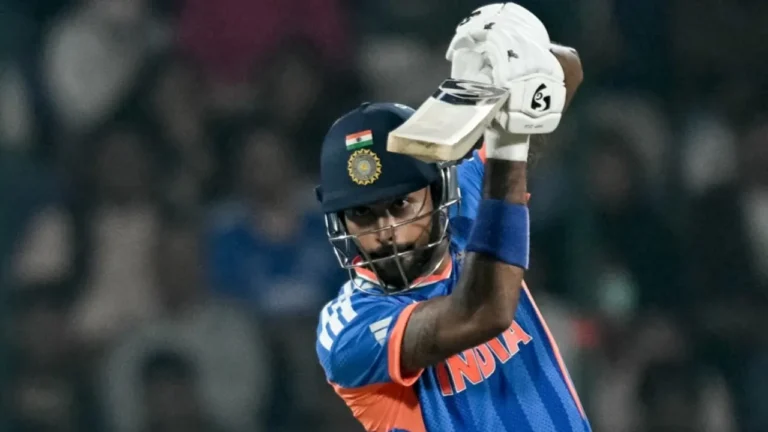
Captain Suryakumar Yadav confirmed India will follow ICC protocols completely. They’re traveling to Colombo as scheduled, conducting training sessions, and attending pre-match conferences. India treats this as a normal fixture regardless of Pakistan’s stance.
This professional approach puts pressure back on Pakistan. India projects confidence that the match proceeds as planned, forcing PCB to either back down or face consequences. The Indian squad focuses on preparation rather than political drama.
Captain Salman Agha’s Conditional Statement
Pakistan’s captain added another layer of complexity by stating they’d consult the government if India and Pakistan meet in semifinals or finals. This conditional approach suggests flexibility depending on match importance and stage.
The statement reveals internal tensions. Playing knockout matches against India seems negotiable while group stage fixtures aren’t. This inconsistency further undermines Pakistan’s Force Majeure argument about absolute impossibility.
Bangladesh Factor and Tournament Integrity
The boycott drama gained momentum after Bangladesh refused to play in India citing security concerns, leading to Scotland replacing them. Pakistan viewed their stance as protest solidarity, creating a cascading effect threatening tournament stability.
This political buildup overshadows the actual cricket. The 20-team tournament was supposed to celebrate the sport’s global growth. Instead, geopolitical tensions dominate headlines, frustrating fans who just want to watch quality cricket.
Historical Context of This Rivalry
India and Pakistan haven’t played bilateral series for over a decade. They only meet in ICC tournaments or Asia Cup competitions, making each encounter incredibly valuable and emotionally charged for billions of fans worldwide.
These matches transcend sport, carrying political and cultural significance neither country can ignore. The pressure on players becomes immense, while governments use cricket as diplomatic leverage. This toxic mix creates recurring conflicts damaging the sport’s interests.
What Happens Next
The tournament schedule shows February 15 approaching fast. The ICC and PCB have limited time to resolve this standoff before the match date arrives. Several outcomes remain possible as negotiations continue behind closed doors.
If talks fail, the ICC must decide between enforcing rules strictly or finding creative compromises. Pakistan risks exclusion from future ICC events if they breach participation agreements. The PCB balances government pressure against international cricket obligations.
India prepares regardless, focusing on their title defense mission. They won’t let political drama distract from winning consecutive World Cup titles, a feat no team ever achieved in T20 cricket history.
Frequently Asked Questions
Why did Pakistan decide to boycott the India match? Pakistan’s government instructed the cricket team not to play against India on February 15, 2026. The PCB followed these government directives, invoking Force Majeure clause with the ICC.
What is the Force Majeure clause Pakistan invoked? Force Majeure is a legal provision covering unforeseeable circumstances that prevent fulfilling contractual obligations. Pakistan used it claiming government pressure makes playing India impossible, though ICC questions this interpretation.
Will Pakistan lose points if they don’t play? Yes, Pakistan automatically forfeits two points and suffers significant net run rate damage if they boycott the match. This severely impacts their qualification chances for knockout stages.
Is India still traveling to Colombo for the match? Yes, India confirmed they will travel to Colombo, conduct training sessions, and attend pre-match conferences. They’re treating it as a normal scheduled fixture regardless of Pakistan’s stance.
Can this match be rescheduled or moved? Possible solutions include relocating to a different neutral venue or rescheduling if both teams reach later tournament stages. However, no official alternative has been announced yet as talks continue.
What happens if they meet in semifinals or finals? Pakistan’s captain stated they would consult the government if facing India in knockout stages. This suggests potential flexibility depending on match importance and tournament phase.