T20 World Cup Crisis: Jay Shah Intervenes as Bangladesh Cites ‘National Dignity’ in Boycott Threat
In the world of international cricket, the drama off the field often rivals the action on it. But what is unfolding right now between India, Bangladesh, and the International Cricket Council (ICC) is not just drama—it is a geopolitical standoff that threatens to overshadow the marquee event of the year.
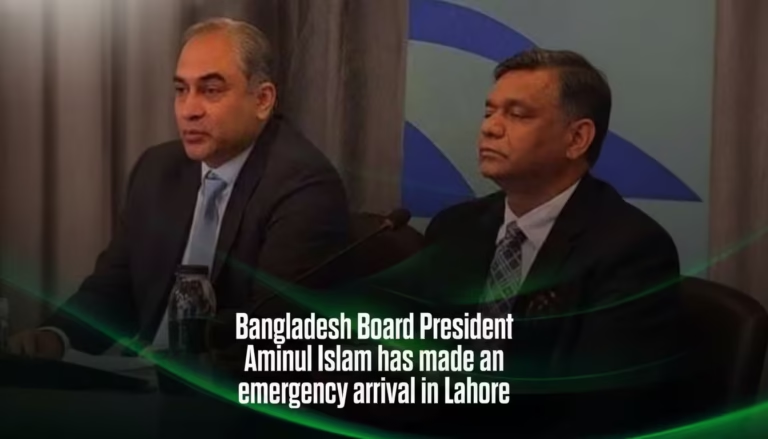
With the clock ticking down to the ICC Men’s T20 World Cup 2026, the cricketing fraternity is holding its breath. The refusal of the Bangladesh Cricket Board (BCB) to travel to India, citing compromised “national dignity,” has escalated from a murmuring complaint into a full-blown crisis. Now, all eyes turn to one man: ICC Chairman Jay Shah, who faces perhaps the sternest test of his administrative career this Sunday in Vadodara.
The Context: How Did We Get Here?
To understand the gravity of the meeting scheduled between Jay Shah and BCCI officials, we have to peel back the layers of this dispute. Usually, when a nation hesitates to tour another, the reasons are explicitly security-related—credible threats, intelligence reports, or civil unrest.
This time, the vocabulary is different. The terms being thrown around are “respect,” “pride,” and “dignity.”
The flashpoint appears to be the handling of Bangladeshi pacer Mustafizur Rahman. Reports suggest that the left-arm seamer’s abrupt exit from the IPL setup—allegedly due to the BCCI’s inability to guarantee his individual security amid shifting political tides in Dhaka—was interpreted by the Bangladeshi administration as a direct slight.
When Bangladesh Sports Advisor Asif Nazrul described the situation as an issue of “national pride,” the goalposts moved. It was no longer about whether the bus route to the stadium was safe; it was about whether the Bangladeshi flag would be treated with the same reverence as every other nation’s on Indian soil.
The “Man-to-Man” Demand
The escalation has been swift. Initial requests to move matches to a neutral venue like Sri Lanka—a logistical impossibility this close to the tournament—have morphed into stringent demands for the tour to proceed.
Sources suggest the BCB is seeking a level of security detail described as “man-to-man” protection for every member of the delegation. In the world of security protocols, this is the “Presidential Package.” It implies a lack of trust in the standard state-level security that India routinely provides to visiting teams, including arch-rivals Pakistan during the 2023 ODI World Cup.
For the BCCI, acceding to such specific, publicly demanded terms puts them in a bind. Doing so might be seen as admitting that their standard security—which is world-class—is insufficient. Refusing, however, risks a boycott that would tarnish the global image of the World Cup.
Jay Shah’s High-Wire Act
This is where Jay Shah’s role becomes fascinating. As the former BCCI Secretary, he knows the Indian machinery inside out. But as the current ICC Chairman, his allegiance must belong to the game, not the host nation.
The meeting in Vadodara, set against the backdrop of the India vs. New Zealand ODI, is not just a courtesy call. It is a crisis management war room. Shah has to bridge a chasm that is widening by the day.
- The Neutral Custodian: Shah must convince the Bangladeshi hierarchy that he is acting as an independent arbiter who ensures their safety, not just an Indian administrator smoothing things over.
- The Operational Reality: He needs to reassess the security plans with the BCCI’s operations team to see where “visible” enhancements can be made—gestures that allow Bangladesh to feel their concerns are validated without disrupting the tournament’s infrastructure.
The Cost of a Boycott
Why is everyone scrambling? Because a World Cup without Bangladesh is a disaster for multiple stakeholders.
- The Fanbase: Bangladesh possesses one of the most passionate, digital-savvy fanbases in the world. Their absence would result in a massive dip in viewership numbers, digital engagement, and ticket sales, particularly for the group stage matches.
- The ACC Balance: The Asian Cricket Council relies on the delicate equilibrium between its member nations. If Bangladesh pulls out due to perceived disrespect by India, it could fracture the ACC, making future Asia Cups logistical nightmares.
- The Precedent: If a “dignity” argument succeeds in forcing a venue change or a boycott today, what happens tomorrow? Does every diplomatic spat between nations result in a moved tournament? The ICC cannot afford to let political posturing dictate the sporting calendar.
The Human Element: Players in Limbo
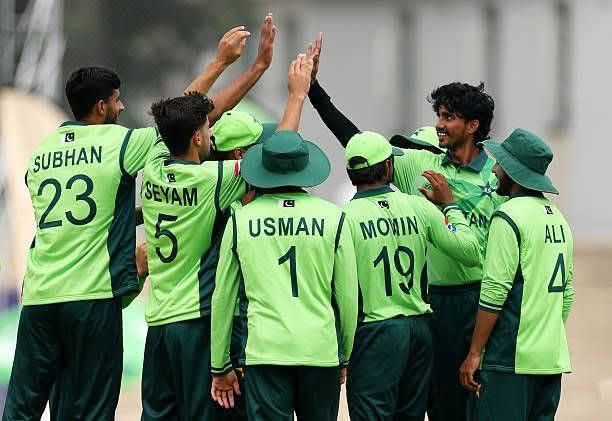
Amidst the boardroom bickering, one feels for the players. The current Bangladesh U19 team is preparing for a World Cup; the senior men are prepping for theirs. For cricketers like Towhid Hridoy or Litton Das, the T20 World Cup is the pinnacle of their careers. To be told they might miss it because of a diplomatic standoff is a cruel blow.
These athletes are friends with their Indian counterparts. They share dressing rooms in franchise leagues (when allowed) and laugh together on the field. The disconnect between the camaraderie of the players and the hostility of the administration has never been starker.
The Likely Resolution
So, what happens in Vadodara? It is unlikely the venue will change. The logistics of moving a World Cup block to Sri Lanka with weeks to go are insurmountable. The “Vadodara Resolution” will likely involve a compromise on optics.
- Enhanced Optics: The BCCI may agree to a visible upgrade in security—more convoys, dedicated officers for the team hotel, and perhaps a direct liaison from the Ministry of Home Affairs to reassure the BCB.
- The ICC Assurance: A formal letter from Jay Shah guaranteeing the “highest level of respect and security” might be the face-saving document the BCB needs to show their government that their stand for “dignity” yielded results.
Conclusion: Cricket Must Win
Sunday’s meeting is critical. It is a test of Jay Shah’s statesmanship and a test of the BCCI’s flexibility. But mostly, it is a test of whether cricket can still build bridges in a world that seems intent on burning them.
The World Cup is a celebration of unity. It would be a tragedy if the 2026 edition is remembered not for the sixes hit in Mumbai or Kolkata, but for the team that stayed home because “dignity” couldn’t be negotiated. The ball is now in Jay Shah’s court—and he cannot afford to play a dot ball.