Mohsin Naqvi Fires Back at ICC Sanctions Threat: “Not Afraid” – Field Marshal Reference
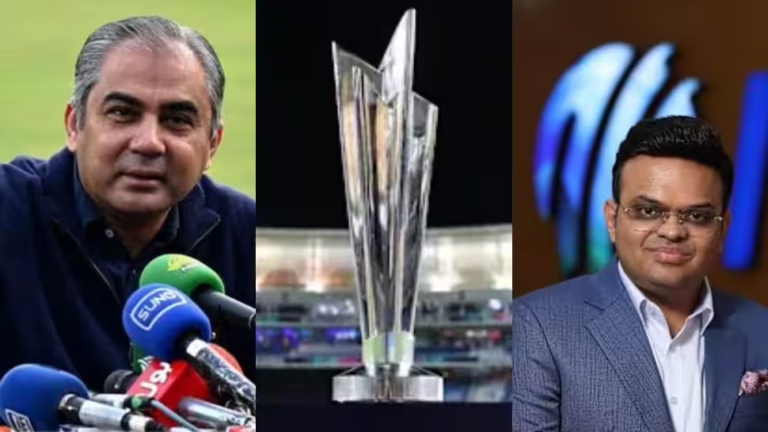
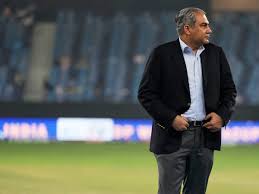
PCB Chairman Mohsin Naqvi delivered a defiant response to Indian media reports about potential ICC sanctions over Pakistan’s decision to boycott the India match. In a strong statement, Naqvi declared “I’m not afraid of threats, nor is the government afraid, and you already know about Field Marshal” while addressing concerns about financial penalties and disciplinary measures that Pakistan might face at the T20 World Cup 2026.
The bold statement comes as pressure mounts on Pakistan from multiple fronts including the ICC, broadcasters, and international cricket community to reverse their decision to boycott the February 15 match against India in Colombo. Naqvi’s reference to “Field Marshal” indicates Pakistan’s military leadership backing the government’s stance.
What Mohsin Naqvi Said
| Statement Details | Information |
|---|---|
| Who | Mohsin Naqvi (PCB Chairman & Interior Minister) |
| Context | Response to Indian media reports on sanctions |
| Key Quote | “Not afraid of threats, nor is government” |
| Reference | “You know about Field Marshal” |
| Implication | Military establishment backing the decision |
| Stance | Defiant, unafraid of consequences |
Naqvi’s statement shows Pakistan’s unwavering commitment to their boycott decision despite facing potential losses running into billions of rupees. The “Field Marshal” reference alludes to Chief of Defence Forces and Army Chief Field Marshal Asim Munir, Pakistan’s most powerful military figure.
The Field Marshal Reference Explained
When Naqvi mentioned “you already know about Field Marshal,” he was referencing Field Marshal Asim Munir, Pakistan’s Chief of Army Staff and Chief of Defence Forces. This reference carries significant weight in Pakistan’s political landscape.
Why This Reference Matters:
In Pakistan’s power structure, the military holds immense influence over major national decisions. By invoking the Field Marshal, Naqvi signaled that Pakistan’s boycott decision has full military establishment backing, making it virtually impossible for external pressure to reverse.
Field Marshal Munir has previously intervened in cricket matters. He personally spoke to Sri Lanka’s defense minister to convince their cricket team to continue touring Pakistan after security concerns arose following the Islamabad imambargah attack.
The military chief’s involvement in the T20 World Cup boycott decision indicates this isn’t merely a cricket board stance but a coordinated government and military position.
What Indian Media is Reporting About Sanctions
Indian media outlets have extensively covered potential ICC sanctions that Pakistan might face:
Financial Penalties Being Discussed:
Pakistan receives approximately $38 million annually from ICC’s 2024-27 financial cycle, totaling $144 million over three years (PKR 40 billion). Reports suggest the ICC might withhold Pakistan’s entire yearly payout to compensate broadcasters for losses from the cancelled India match.
Broadcaster Lawsuits:
The ICC has warned PCB about potential lawsuits from tournament media partners, particularly JioStar. The India-Pakistan match generates roughly $250 million in broadcasting revenue alone, making it the tournament’s biggest commercial fixture.
Other Potential Sanctions:
- Disciplinary measures and restrictions
- Limitations on No-Objection Certificates (NOC) for overseas players in PSL
- Loss of hosting rights for future ICC tournaments
- Restrictions on bilateral series
- Potential ban from future ICC events
PCB’s Defiant Response Strategy
Despite these threats, Naqvi and the PCB have maintained a defiant posture:
“Not About Financial Consequences”
When ICC Deputy Chairman Imran Khwaja informed PCB about potential sanctions during back-channel talks, PCB sources stated their response was clear: “the issue is not about financial consequences.”
Principle Over Profit:
Naqvi has repeatedly called Pakistan’s boycott “symbolism” and a principled stand in solidarity with Bangladesh. He accused the ICC of “double standards” favoring India and termed Bangladesh’s removal as “an injustice.”
Government Backing:
Prime Minister Shehbaz Sharif publicly reaffirmed: “We have taken a very clear stand on the T20 World Cup that we won’t play the match against India because there should be no politics on the sports field.”
What Makes This Stand Significant
Military-Political Alignment:
For the first time in years, Pakistan’s political leadership, government, and military establishment are “on the same page” regarding a major international cricket decision. This unity makes the stance exceptionally difficult to reverse.
Historical Context:
Pakistan accommodated India’s refusal to visit Pakistan by accepting a hybrid model for Champions Trophy 2025, where India played at neutral venues. Now Pakistan demands similar treatment for Bangladesh, which was denied.
Regional Politics:
The boycott decision intertwines cricket with broader India-Pakistan tensions. Naqvi, as Interior Minister, has publicly accused India of funding terrorism in Pakistan, particularly recent attacks in Balochistan and Islamabad.
Legal and Procedural Complications for ICC
Members Participation Agreement (MPA):
Pakistan signed the MPA in December 2024, agreeing to play all scheduled matches at neutral venues. The boycott violates this binding agreement.
Dispute Resolution Committee Limitations:
PCB sources acknowledge that “any efforts to go to the ICC Dispute Resolution Committee (DRC) are likely to fail” because the DRC doesn’t hear challenges regarding choices made by its own directors.
Government Directive Defense:
PCB might argue they’re following government orders, but this defense is weak since they’re already playing all tournament matches in Sri Lanka (neutral venue) as per their wishes, not in India.
Financial Stakes for Pakistan Cricket
PCB’s Financial Dependence:
Unlike wealthy boards like BCCI or ECB, PCB relies heavily on ICC revenue share. This $38 million annual lifeline keeps PCB financially stable.
Recent Heavy Spending:
PCB spent PKR 18 billion upgrading three stadiums in Lahore, Karachi, and Rawalpindi for hosting Champions Trophy 2025. They also received substantial amounts for hosting the tournament. Losing ICC revenue would create major financial challenges.
PSL Revenue Cannot Replace ICC Funds:
Pakistan Super League earnings cannot compensate for potential loss of $144 million over three years if ICC imposes sanctions.
What Happens Next
Immediate Timeline:
- February 9: Mohsin Naqvi meeting PM Shehbaz Sharif (today)
- February 12: Bangladesh elections (potential game-changer)
- February 15: India vs Pakistan match scheduled
Possible Scenarios:
- Pakistan Maintains Boycott: Faces all threatened sanctions, forfeits 2 points
- Last-Minute Reversal: Naqvi could flip decision after Bangladesh elections
- ICC Compromise: Some negotiated settlement through back-channels
Expert Speculation:
Some observers believe Naqvi, “more a politician than cricket administrator,” might reverse the decision after Bangladesh’s February 12 elections once an elected government replaces Mohammed Yunus’s administration.
Public and Expert Reactions
Pakistani Public:
Mixed reactions with some supporting the principled stand while others worry about consequences for the national team’s tournament campaign.
Cricket Experts:
Many believe PCB is using the boycott threat as negotiating leverage rather than genuinely planning to forfeit the match.
International Community:
No other cricket board has publicly supported Pakistan’s stance, leaving them diplomatically isolated.
The Bigger Picture
Naqvi’s defiant statement reveals Pakistan’s willingness to risk severe financial and sporting consequences for what they view as a matter of principle. The Field Marshal reference signals that this decision transcends cricket administration and represents a coordinated state position.
However, with billions at stake, Pakistan playing their other matches in Sri Lanka, and February 15 approaching rapidly, the coming days will test whether Naqvi’s bold words translate into action or if diplomatic back-channels find a face-saving resolution.
Frequently Asked Questions
Q1: What did Mohsin Naqvi say about ICC sanctions?
Naqvi said “I’m not afraid of threats, nor is the government afraid, and you already know about Field Marshal” in response to Indian media reports about potential ICC sanctions.
Q2: Who is the Field Marshal that Mohsin Naqvi referenced?
The reference is to Field Marshal Asim Munir, Pakistan’s Chief of Army Staff and Chief of Defence Forces, indicating military backing for the boycott decision.
Q3: What sanctions could Pakistan face from ICC?
Potential sanctions include financial penalties, withholding of $38 million annual ICC revenue, broadcaster lawsuits, NOC restrictions for PSL, and loss of hosting rights.
Q4: Why is Pakistan boycotting the India match?
Pakistan is boycotting in solidarity with Bangladesh, who were removed from the tournament after refusing to play in India due to security concerns.
Q5: Can Pakistan afford to lose ICC revenue?
No, PCB heavily depends on ICC’s $144 million share over three years. Unlike BCCI or ECB, Pakistan’s cricket operations rely significantly on this revenue.
Q6: Will Pakistan actually boycott the match on February 15?
Uncertain. Some experts believe Naqvi might reverse the decision, while others think Pakistan’s defiant stance with military backing makes the boycott likely to proceed as announced.