PSL 2026 Auction vs Draft: Lahore Qalandars Oppose Historic Shift as Franchises Split
The Pakistan Super League (PSL) is standing at its most significant crossroads since its inception a decade ago. As the league gears up for its landmark 11th edition in 2026, a boardroom battle has erupted that could fundamentally change how teams are built in Pakistan.

The Pakistan Cricket Board (PCB) is currently deliberating a historic shift from the traditional Draft System to an IPL-style Player Auction. However, the proposal has split the franchises down the middle, with the defending champions Lahore Qalandars vehemently opposing the move while fierce rivals Karachi Kings, Islamabad United, and Quetta Gladiators lobby for the change.
The Catalyst: Expansion and The World Cup
The PSL 2026 season is already set to be unlike any before it. The league is expanding from six to eight teams, welcoming franchises from Hyderabad and Sialkot. This expansion brings an influx of new capital and new owners who are eager to build competitive squads from scratch.
Furthermore, the schedule is a logistical nightmare. With the ICC Men’s T20 World Cup scheduled for February 2026, the PSL window has been pushed, forcing a direct overlap with the Indian Premier League (IPL). This clash means PSL franchises will need significant financial muscle to attract overseas talent who might otherwise choose the IPL bench over a starting spot in Pakistan.
The Rift: “The Rest” vs. Lahore Qalandars
According to reports, the push for an auction is being led by a powerful bloc of three original franchises: Karachi Kings, Islamabad United, and Quetta Gladiators.
The Pro-Auction Argument:
For these teams, the current draft system is stifling.
- Freedom of Choice: Under the current model, pick orders are pre-determined by the PCB, often based on the previous season’s standings. This prevents teams from aggressively pursuing specific players they need.
- Market Value: An auction allows for a true valuation of players. If a team wants to spend 70% of its purse on a marquee name like Babar Azam or Rashid Khan, an auction gives them that liberty.
- Transparency: The draft has long been criticized for its opaque categorization of players (Platinum, Diamond, Gold). Owners have often complained that the criteria for “Platinum” status is subjective.
The Anti-Auction Argument (Lahore’s Stance):
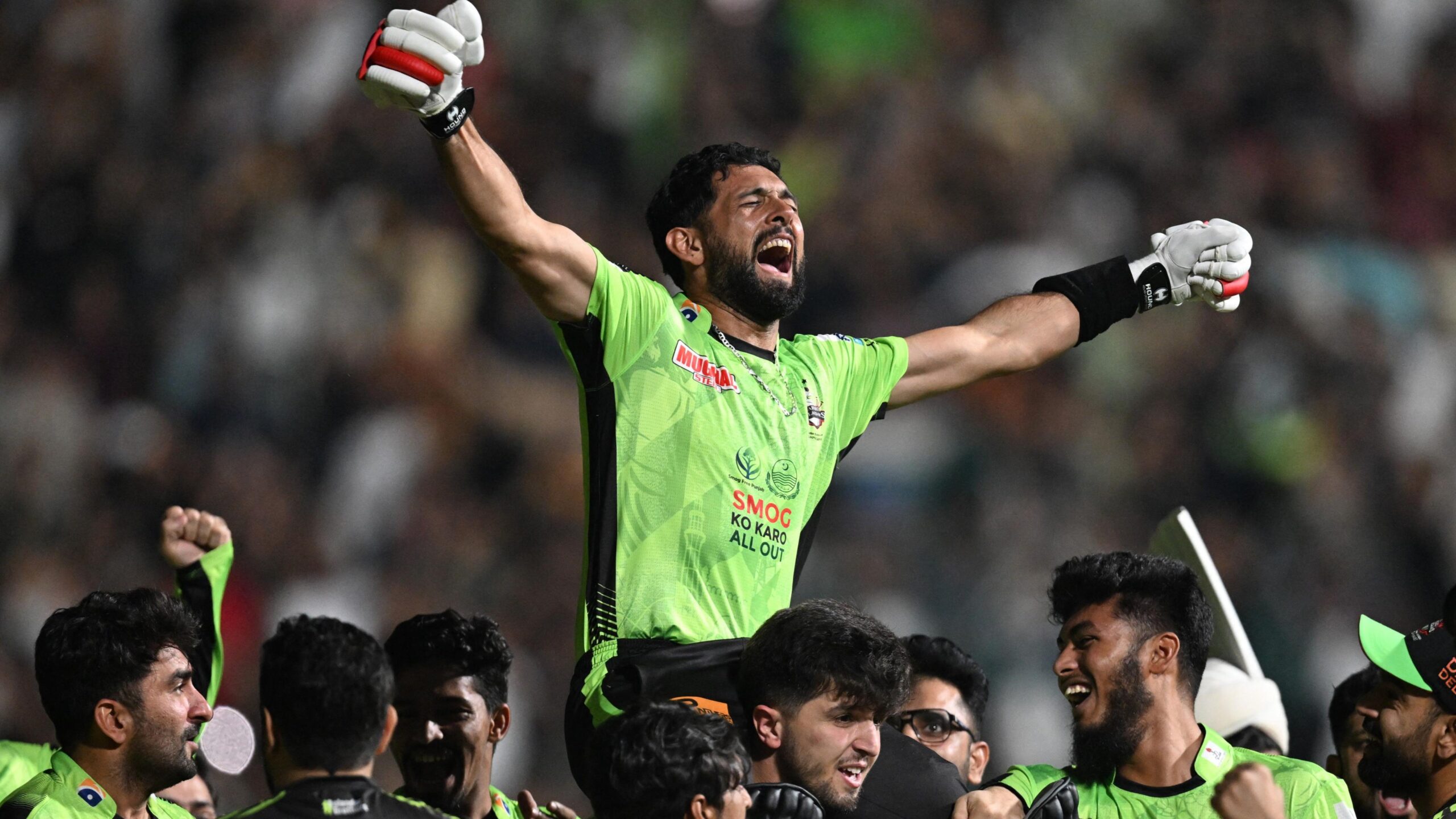
On the other side of the table sits Lahore Qalandars, the only franchise currently opposing the change. Their resistance is rooted in their unique business model.
- Player Development: Lahore has invested millions in their Player Development Program (PDP), unearthing gems like Haris Rauf, Zaman Khan, and Shaheen Shah Afridi. In a draft system, they can protect these players through retention categories. In an auction, they risk losing the very stars they spent years grooming to a rival with a deeper wallet.
- Financial Disparity: An auction inevitably favors the richest owners. Lahore argues that the draft ensures a level playing field where smart scouting beats deep pockets.
The Wildcards:
Peshawar Zalmi, led by Javed Afridi, remains the wild card. They have yet to respond to the PCB’s query. Their vote could be the tie-breaker. Meanwhile, the stance of the new entrants, Hyderabad and Sialkot, will be crucial. Having paid record fees to enter the league, they may prefer an auction to fast-track their competitiveness rather than picking “leftovers” in a draft.
Draft vs. Auction: How It Works Currently
To understand the friction, one must look at the current mechanics:
- The Draft (Current Model):Players are placed in fixed salary bands: Platinum, Diamond, Gold, Silver, Emerging, and Supplementary.Teams take turns picking players. If you have the last pick in the Platinum round, you miss out on the best players regardless of how much money you have. There are no bidding wars.
- The Auction (Proposed Model):Teams are given a “Purse” (e.g., $4 Million). Players set a base price. Teams bid against each other until the highest price is reached. This model creates media hype and allows teams to construct squads based on financial strategy rather than luck of the draw.
The Implications of an Auction
If the PCB approves the auction for PSL 2026, the implications will be seismic:
- Salary Spikes: Top Pakistani stars like Babar Azam, Shaheen Afridi, and Mohammad Rizwan could see their earnings triple as teams fight for their signatures.
- IPL Rivalry: With the leagues overlapping, a PSL auction could offer competitive wages to foreign stars. A player might choose a $500k starting role in the PSL over a $200k bench role in the IPL.
- Local Talent: While stars get rich, emerging players might suffer if teams blow their budget on big names and offer scraps to local talent—a fear shared by Lahore Qalandars.
What Happens Next?
The PCB finds itself in a bind. There is no clarity in the constitution on whether a change to the acquisition model requires a unanimous vote or a simple majority.
If a majority is sufficient, the bloc of Karachi, Islamabad, and Quetta (potentially joined by the new teams) will likely force the auction through. If unanimity is required, Lahore Qalandars hold a powerful veto that could stall the process.
As the clock ticks down to the 2026 season, the boardroom battles are proving to be just as intense as the cricket on the field.
At a Glance: The PSL 2026 Divide
| Franchise | Stance | Reasoning |
| Karachi Kings | Pro-Auction | Want freedom to buy top stars; unhappy with draft order limits. |
| Islamabad United | Pro-Auction | Favor a market-driven approach to squad building. |
| Quetta Gladiators | Pro-Auction | Believe auction adds transparency and excitement. |
| Lahore Qalandars | Anti-Auction | Protect their “developed” talent (PDP) from being bought by rivals. |
| Peshawar Zalmi | Undecided | The swing vote that could decide the future. |
| Sialkot & Hyderabad | Pro-Auction | Likely Pro-Auction to build strong squads immediately. |