ECB Crackdown: No Night Outs and Strict Curfews for England Ahead of T20 World Cup 2026
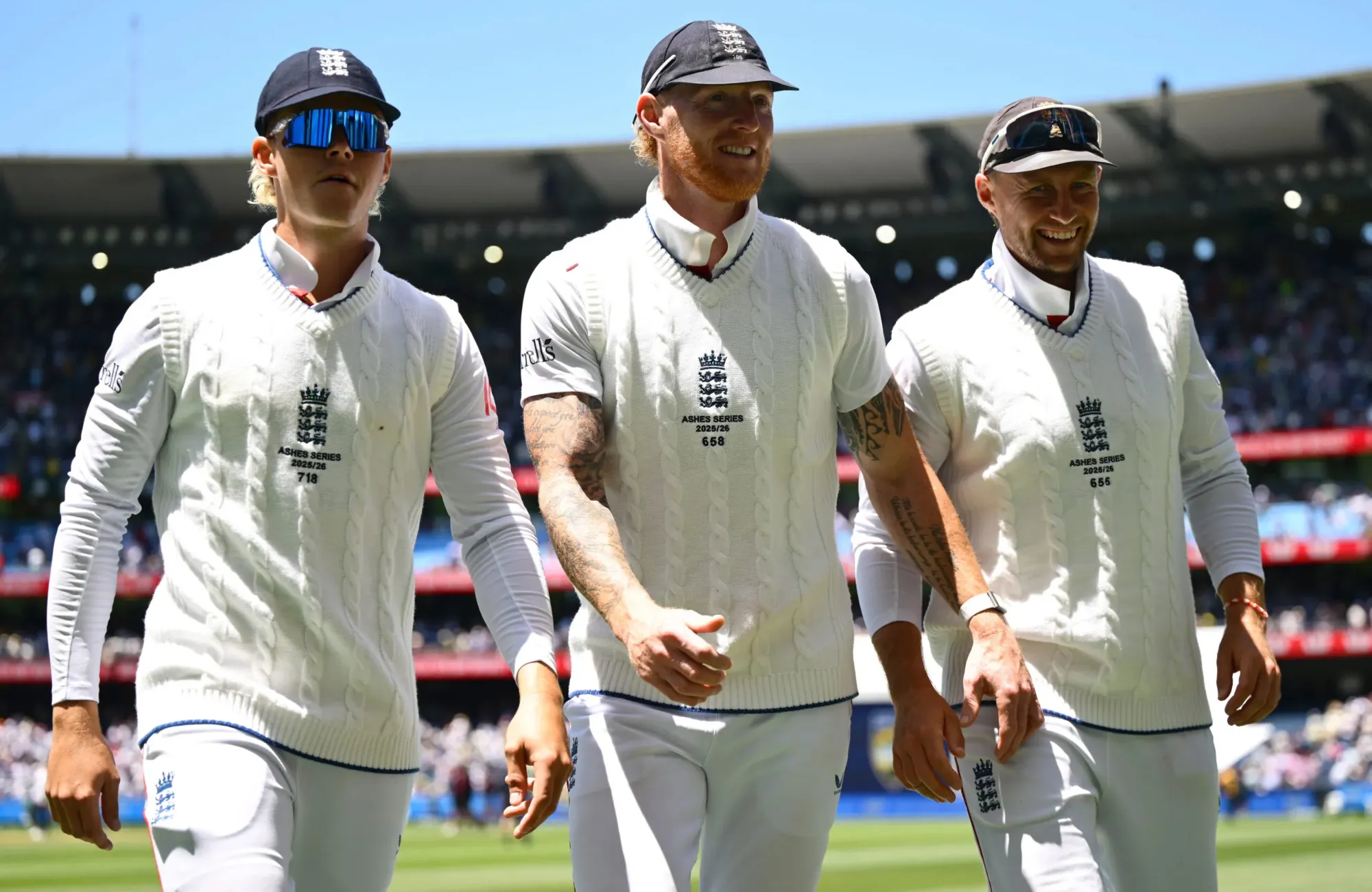
The party is officially over for the England Cricket Team. Following a humiliating 4-1 defeat in the Ashes 2025-26 and a string of off-field controversies that have tarnished the squad’s reputation, the England and Wales Cricket Board (ECB) is initiating a hard reset. As the team prepares for a white-ball tour of Sri Lanka and the imminent ICC T20 World Cup 2026, the governing body is reportedly imposing draconian disciplinary measures, including strict curfews and bans on “night outs.”
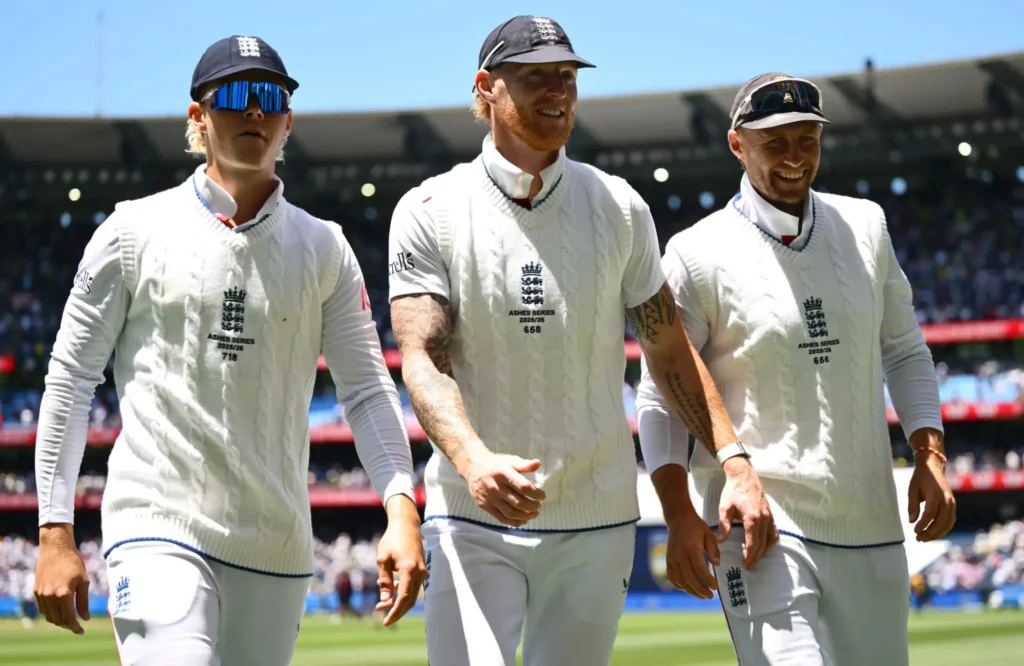
The decision marks a significant shift from the liberal, player-led culture that has defined English cricket in recent years. However, with the World Cup opener against Nepal scheduled for February 8 in Mumbai, the ECB has decided that professional discipline must take precedence over personal freedom.
The Ashes Hangover: A Catalyst for Change
To understand the severity of the new rules, one must look at the disastrous tour of Australia that concluded recently. The Ashes 2025-26 was not just a defeat on the scorecard; it was a collapse of culture. Ben Stokes and his men were dismantled by an Australian side led by Steve Smith and Pat Cummins, losing the series 4-1.
While the on-field performance was criticized—England were overpowered by both bat and ball, losing the first two tests by eight wickets and the third by 82 runs—it was the behavior off the field that has enraged the ECB hierarchy.
Reports from The UK Times and The Telegraph have painted a picture of a squad that prioritized leisure over performance. During a break between the second and third Tests in Noosa, a coastal town in Queensland, players were reportedly involved in “repeated drinking sessions.” Instead of regrouping to save the series, the squad appeared to treat the tour as a holiday, a sentiment that did not sit well with fans watching their team capitulate back home.
The Controversies: Alcohol, Casinos, and Altercations
The decision to impose a curfew is not based on rumors but on specific, documented incidents of indiscipline. The breakdown of professional standards was evident throughout the Australian summer:
1. The Leadership Failure
Perhaps the most alarming report involves Harry Brook, England’s ODI captain. Brook was allegedly involved in an altercation outside a nightclub in New Zealand following the Ashes leg of the winter tours. For a player entrusted with leadership responsibilities, such involvement raises serious questions about the example being set for younger players.
2. The Casino Distractions
Multiple reports indicate that several squad members were frequent visitors to casinos during the tour. While gambling is legal, the frequency of these visits, combined with the team’s woeful performance, suggested a lack of focus and dedication required to compete against the world’s best Test team.
3. Public Indiscipline
Social media and public onlookers caught glimpses of behavior that the ECB deems unacceptable for elite athletes. Ben Duckett was reportedly captured on video in a drunken state during a night out, while young talent Jacob Bethel was seen vaping. These images contradict the high-performance culture the ECB strives to project.
The New Regime: Echoes of 2017
The proposed crackdown is reminiscent of the strict measures implemented in 2017. Following the infamous Bristol nightclub incident involving Ben Stokes, which led to a court case and his exclusion from the 2017-18 Ashes, the ECB, then under the guidance of Andrew Strauss, introduced a midnight curfew.
History appears to be repeating itself. The ECB’s current review of disciplinary rules suggests a return to this “zero-tolerance” policy. The anticipated rules for the upcoming Sri Lanka tour and the T20 World Cup include:
- Strict Curfews: Players will likely be required to be in their hotel rooms by a specific time.
- Alcohol Limits: Restrictions on alcohol consumption during the tournament window.
- No Night Outs: A total ban on visiting nightclubs or bars during the campaign.
The message is clear: The freedom allowed under the “Bazball” era has been abused, and the leash is being tightened.
The Road to Mumbai: Why Discipline Matters Now
The timing of this intervention is critical. England is about to embark on a white-ball tour of Sri Lanka, featuring three ODIs and three T20Is. This series serves as the final warmup for the ICC T20 World Cup 2026, hosted in the subcontinent.
Playing in India and Sri Lanka presents unique challenges. The heat, humidity, and intense scrutiny of the local media require players to be at their absolute physical and mental peak. A team recovering from late nights and alcohol consumption will struggle to cope with the spin-friendly conditions and the stamina requirements of Asian pitches.
Group C Dynamics
England has been drawn in Group C for the World Cup, a tricky pool that includes:
- West Indies: A powerhouse in T20 cricket.
- Bangladesh: Extremely dangerous in subcontinental conditions.
- Nepal: An emerging nation capable of upsets.
- Italy: The qualifiers looking to make a mark.
England’s campaign begins on February 8 at the Wankhede Stadium in Mumbai against Nepal. To avoid a potential upset and navigate past the West Indies and Bangladesh, England needs 100% focus. The ECB knows that a group stage exit, following the Ashes humiliation, would be catastrophic for the current management and leadership group.
Analyzing the Impact: Will Strict Rules Work?
The debate over strict team rules versus player autonomy is as old as sport itself. Critics might argue that treating professional athletes like school children can breed resentment and negatively impact team morale. The “work hard, play hard” mentality has occasionally worked for England in the past.
However, the counter-argument—and the one the ECB is backing—is that “freedom” is earned through performance. When a team loses 4-1 and humiliates the badge, privileges are revoked.
This crackdown forces the players to look in the mirror. For stars like Harry Brook and Ben Duckett, this is a chance for redemption. It shifts the focus entirely to cricket. By removing the distractions of nightlife and casinos, the ECB hopes to foster a siege mentality—a unified group focused solely on lifting the T20 World Cup trophy.
Conclusion
As January 2026 progresses, the England Cricket Team finds itself at a crossroads. The carefree days of the last few years have hit a wall of poor results and public backlash. The upcoming tour of Sri Lanka and the World Cup in India will be the ultimate test of this new, disciplined approach.
If England lifts the trophy in 2026, the strict curfews and “no night out” policies will be hailed as the masterstroke that saved English cricket. If they fail, questions will be asked not just about the players’ behavior, but about the fundamental culture of the national side. For now, the lights are out early for England, as they seek to find their way out of the darkness of the Ashes defeat.