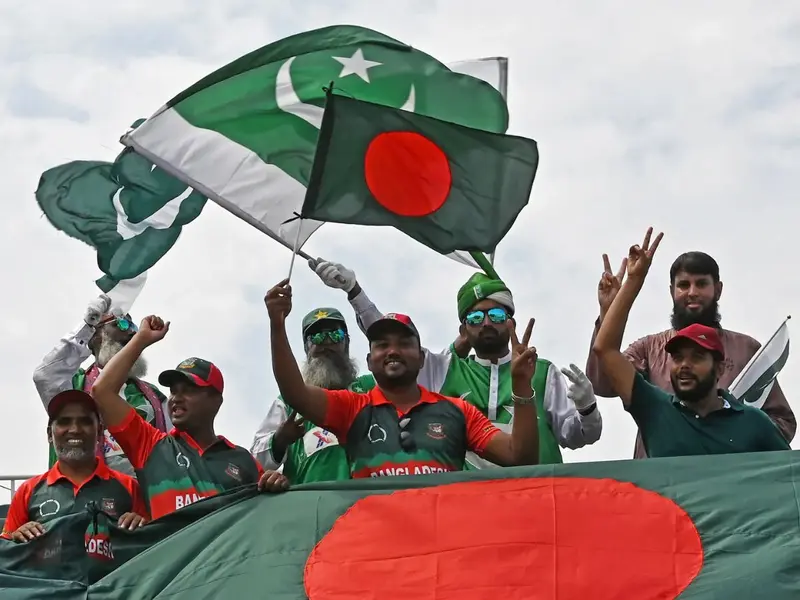
Bangladesh Set to Replace Pakistan in T20 World Cup 2026 if PCB Boycotts Tournament
Cricket’s biggest controversy is unfolding just days before the T20 World Cup 2026 kicks off. Pakistan’s participation hangs in the balance, and the ICC has quietly kept Bangladesh on standby as a potential replacement. This dramatic turn of events could completely reshape the tournament landscape.
The situation reads like a script nobody saw coming. Bangladesh was originally removed from the T20 World Cup 2026 and replaced by Scotland after failing to reach an agreement with the ICC over venue concerns. Now, they might be walking right back in through the door Pakistan could leave open.
The Pakistan Boycott Threat: What’s Really Happening?
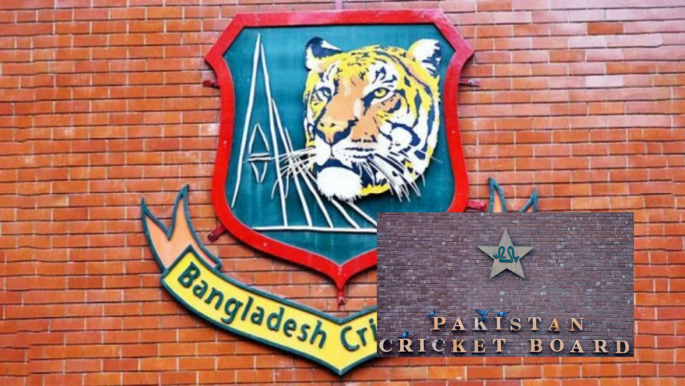
Pakistan Cricket Board chairman Mohsin Naqvi dropped a bombshell when he suggested the team might boycott the tournament entirely. The PCB claims the ICC treated Bangladesh unfairly by not accommodating their request to move matches from India to Sri Lanka due to security concerns.
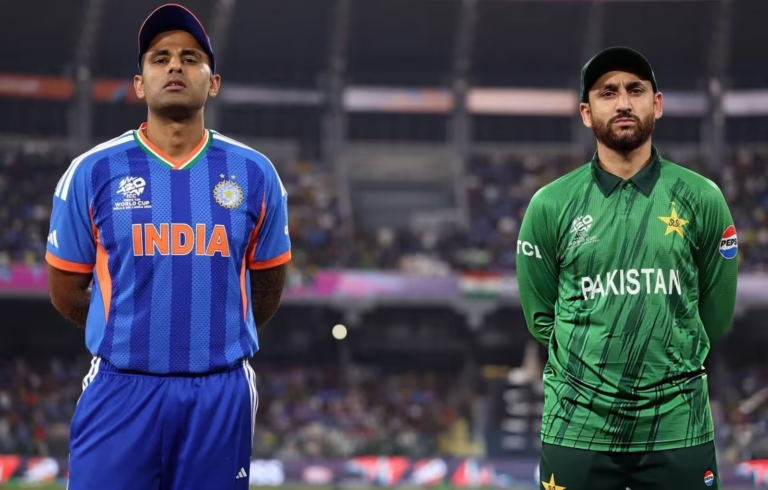
Here’s where it gets interesting: Pakistan was already scheduled to play all their matches in Sri Lanka, including the highly anticipated clash against India in Colombo. The irony isn’t lost on anyone watching this unfold.
Timeline of the Controversy
| Date | Event |
|---|---|
| Early January | Bangladesh requests matches moved from India to Sri Lanka |
| Mid-January | ICC rejects Bangladesh’s request, replaces them with Scotland |
| January 26 | PCB chairman meets Pakistan PM to discuss boycott |
| January 27 | Reports emerge of ICC keeping Bangladesh on standby |
| February 2 | PCB’s self-imposed deadline for final decision |
The PCB chairman met with Prime Minister Shahbaz Sharif on Monday to discuss the situation. Rather than making an immediate announcement, Naqvi stated they would reveal their decision by Friday or next Monday at the latest.
Bangladesh’s Potential Return: The Logistics Make Sense
If Pakistan decides to boycott, bringing Bangladesh back solves multiple problems for the ICC. Bangladesh originally wanted exactly what this swap would provide – playing all their matches in Sri Lanka without having to travel to India.
The ICC’s contingency plan would slot Bangladesh into Group A, joining India, USA, Namibia, and the Netherlands. This arrangement presents minimal logistical headaches compared to other potential solutions.
Group A Current Situation
| Team | Status | Home Venue |
|---|---|---|
| India | Confirmed | India |
| USA | Confirmed | India |
| Netherlands | Confirmed | India |
| Namibia | Confirmed | India |
| Pakistan/Bangladesh | Uncertain | Sri Lanka |
Bangladesh’s cricket board had cited security concerns as their reason for wanting to avoid playing in India. If they return under these circumstances, they get precisely what they initially requested – a tournament experience confined entirely to Sri Lankan venues.
Why Pakistan Might Actually Boycott
The PCB’s stance stems from what they view as inconsistent treatment by the ICC. Their argument goes like this: if security concerns were legitimate enough for Bangladesh to request venue changes, why weren’t those concerns addressed? And if they weren’t legitimate, why is Pakistan being forced to make accommodations?
Pakistan sees the situation as the ICC applying different standards to different nations. The PCB feels caught between supporting Bangladesh’s position and protecting their own tournament interests.
However, recent reports suggest Pakistan might be reconsidering the full boycott option. Sources indicate they could potentially boycott just the India match instead, making a political statement without withdrawing from the entire tournament schedule.
The ICC’s Difficult Position
Tournament organizers face a nightmare scenario regardless of which direction this situation goes. With the World Cup starting February 7 – just 10 days away – finalizing team compositions and match schedules becomes increasingly urgent.
The ICC has three possible outcomes to prepare for:
Scenario 1: Pakistan participates fully – Everything proceeds as currently scheduled with Scotland in Bangladesh’s former spot.
Scenario 2: Pakistan boycotts completely – Bangladesh returns to Group A, playing all matches in Sri Lanka, while Scotland moves to another group or exits.
Scenario 3: Pakistan boycotts selectively – The most complicated option, where Pakistan might skip certain matches but participate in others, creating scheduling chaos.
What This Means for Other Teams
The uncertainty affects more than just Pakistan and Bangladesh. Every team in Group A needs clarity on their opponents to finalize preparations and strategies.
Impact on Group A Teams
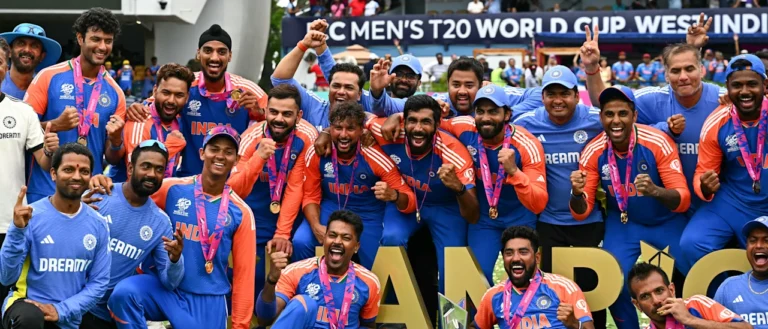
India’s Perspective The defending champions have preparations disrupted by not knowing definitively who they’ll face. The Indian team opens against USA on February 7, but their later group opponents remain uncertain.
USA, Netherlands, and Namibia These teams have traveled to the subcontinent expecting to face Pakistan. A last-minute opponent change means adjusting scouting reports, game plans, and strategic approaches with minimal preparation time.
Scotland’s Position Scotland replaced Bangladesh believing they had earned a World Cup spot. If Bangladesh returns and Scotland gets removed, the Scots face massive disappointment after preparing for cricket’s biggest stage.
Bangladesh’s Original Security Concerns
Understanding why Bangladesh wanted out originally provides important context. The BCB cited security concerns about traveling to and playing in India, though specific threats were never publicly detailed.
Some cricket analysts questioned whether the security concerns were genuine or if political tensions between the nations played a larger role. Regardless of the underlying reasons, the ICC’s refusal to accommodate Bangladesh led to their removal.
Now, the very team that couldn’t find common ground with the ICC might benefit from Pakistan’s stance on the exact same issue. The circular nature of this controversy hasn’t escaped cricket fans’ notice.
Fan Reactions and Social Media Buzz
Cricket enthusiasts worldwide are watching this drama unfold with a mixture of frustration and fascination. Social media exploded with reactions ranging from serious analysis to humorous memes about the situation.
Many fans expressed disappointment that political issues continue overshadowing the sport itself. Others pointed out the timing couldn’t be worse, with warmup matches already underway and the tournament points table about to become relevant.
The February 2 Deadline: What to Expect
All eyes turn to February 2, when the PCB promised to announce their final decision. This deadline gives them six days before the tournament’s official start – barely enough time for the ICC to implement major changes if needed.
Cricket administrators hope for a resolution that keeps all parties satisfied, though that seems increasingly unlikely. Someone will end up disappointed whether Pakistan stays, leaves completely, or pursues the partial boycott option.
Historical Context: Boycotts in Cricket
Pakistan’s potential boycott wouldn’t be cricket’s first political controversy, though major teams rarely withdraw from World Cups. Previous instances of teams skipping tournaments usually involved smaller nations or preliminary qualifiers rather than established powerhouses pulling out of the main event.
The closest parallel might be various nations boycotting tours to or from certain countries during periods of political tension. However, a World Cup boycott carries exponentially more significance given the tournament’s global viewership and commercial importance.
What Happens Next?
The coming days will determine whether this controversy becomes a footnote or a major chapter in cricket history. The ICC faces enormous pressure to resolve the situation quickly while appearing fair to all parties involved.
For Bangladesh, this represents an unexpected second chance. For Pakistan, it’s a moment of choosing between principles and participation. For cricket fans, it’s an unwelcome distraction from what should be celebration of the sport’s premier T20 event.
Stay tuned to the latest T20 World Cup news as this developing situation continues to evolve in the days ahead.
Frequently Asked Questions
Will Pakistan play in T20 World Cup 2026? Pakistan hasn’t confirmed their participation yet. The PCB has set a deadline of February 2 to announce whether they’ll compete or boycott the tournament entirely.
Why might Bangladesh replace Pakistan in the World Cup? ICC kept Bangladesh on standby because their original request to play only in Sri Lanka matches Pakistan’s assigned venues, making the swap logistically simple if Pakistan withdraws.
What was Bangladesh’s original issue with the tournament? Bangladesh requested all their matches be moved from India to Sri Lanka citing security concerns, but ICC denied this request and replaced them with Scotland.
When does T20 World Cup 2026 start? The tournament begins February 7, 2026, with India defending their title against USA in the opening match at Wankhede Stadium, Mumbai.
Which group is Pakistan/Bangladesh in? Both teams would occupy the same Group A slot alongside India, USA, Netherlands, and Namibia for the tournament’s group stage.
Could Pakistan boycott only the India match? Recent reports suggest Pakistan is considering boycotting just the India game instead of the entire tournament, though no official decision has been announced.
Final Thoughts
This unfolding controversy demonstrates how quickly situations can change in international cricket. What seemed settled just weeks ago – Scotland replacing Bangladesh – now faces potential reversal based on Pakistan’s decision.
The ICC’s challenge involves balancing sporting integrity, logistical practicality, and political sensitivities. Whatever decision emerges by February 2 will significantly impact tournament dynamics and set precedents for handling similar situations in future competitions.
Cricket fans worldwide hope common sense prevails and the focus returns to what matters most – outstanding cricket played by the world’s best teams on the sport’s biggest stage.