ICC Threatens to KICK OUT Bangladesh from T20 World Cup Scotland Replacement Finalized
The International Cricket Council has drawn a hard line in the escalating Bangladesh crisis, issuing a formal ultimatum that could see one of Asia’s competitive cricket nations expelled from the T20 World Cup 2026. With Scotland already identified as the replacement team, the January 21 deadline now looms as cricket’s most consequential decision point in recent memory.
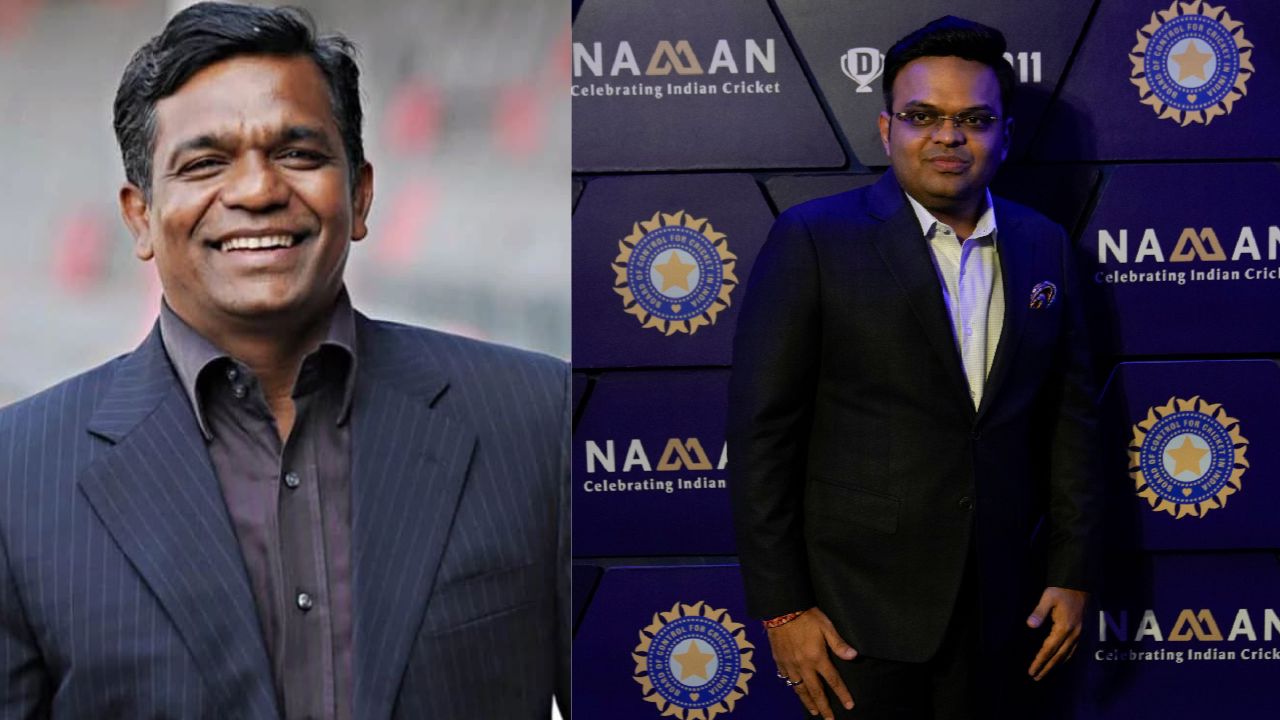
Jay Shah’s ICC has made its position brutally clear: play in India as scheduled, or face immediate replacement. This aggressive stance marks a dramatic escalation in tensions that began weeks ago and now threatens to fundamentally reshape the T20 World Cup 2026 landscape just days before the tournament kicks off on February 7.
The January 21 Ultimatum: No More Negotiations
According to reports from ESPNcricinfo, the ICC has officially informed the Bangladesh Cricket Board that January 21 represents the absolute deadline for finalizing their tournament participation. This isn’t a negotiating tactic—it’s a firm cutoff designed to end weeks of uncertainty and allow tournament organizers to move forward with certainty.
The ultimatum carries serious weight because the ICC has already completed its contingency planning. Scotland, based on current ICC rankings, has been formally identified as the replacement team should Bangladesh choose not to participate or miss the deadline.
Timeline of the Crisis
| Date | Development | Impact |
|---|---|---|
| January 4 | BCB first raises venue concerns | Initial conflict begins |
| Mid-January | Multiple ICC-BCB meetings in Dhaka | No resolution achieved |
| January 11 | Pakistan offers to host Bangladesh matches | Alternative solution proposed |
| January 19 | ICC issues formal ultimatum | Scotland named as replacement |
| January 21 | Final decision deadline | Tournament fate determined |
| February 7 | World Cup begins | Less than 3 weeks remaining |
The BCCI-Bangladesh Feud: Where It All Started
This standoff didn’t emerge from nowhere. The roots trace back to the controversial exclusion of Mustafizur Rahman from IPL 2026, following a BCCI directive issued after widespread unrest in Bangladesh involving atrocities against Hindu minorities.
That initial incident set off a chain reaction of diplomatic tensions that evolved into the current World Cup crisis. The BCB, feeling targeted by India’s cricket establishment, began pushing back against playing any matches on Indian soil—citing security concerns that the ICC has consistently dismissed as unfounded.
Interestingly, Mustafizur Rahman himself chose not to challenge the BCCI’s decision, suggesting the player might have a different perspective than his board’s official stance. This disconnect between individual players and board politics adds another layer of complexity to an already tangled situation.
Bangladesh’s Rejected Demands: Group Swap and Venue Changes
The BCB didn’t simply refuse to travel to India—they proposed specific alternatives that the ICC systematically rejected. Their requests included:
Primary Demand: Move all Bangladesh matches from India to Sri Lanka
Backup Proposal: Swap groups with Ireland, who plays all matches in Sri Lanka
Final Plea: Accept Pakistan’s offer to host Bangladesh matches
The ICC turned down every single proposal, citing “several logistical issues” and maintaining that the original tournament schedule must remain intact. Officials have repeatedly stated there is “no security threat” to the Bangladesh team in India.
Bangladesh’s Original Match Schedule
| Match | Opponent | Venue | Date |
|---|---|---|---|
| Group Stage 1 | West Indies | Kolkata | Opening fixture |
| Group Stage 2 | TBD | Kolkata | Group C match |
| Group Stage 3 | TBD | Kolkata | Group C match |
| Group Stage 4 | TBD | Mumbai | Final group match |
All four matches are scheduled in Indian cities, making venue relocation essentially impossible without completely restructuring Group C and potentially affecting multiple other teams’ schedules.
Ireland Blocks the Group Swap Solution
Cricket Ireland moved quickly to kill any speculation about swapping groups with Bangladesh. Irish officials received “definitive assurances” from the ICC that their matches would remain in Sri Lanka as originally planned.
This decision makes strategic sense for Ireland, who are grouped with Australia, Pakistan, and Sri Lanka—all matches scheduled in Sri Lankan venues. Swapping with Bangladesh would force Ireland to play in India instead, disrupting their preparation and creating the exact problem Bangladesh is trying to avoid.
The group swap rejection effectively eliminated Bangladesh’s most viable alternative, leaving them with only two choices: play in India or withdraw entirely.
Scotland: The Replacement Team Already Waiting
The ICC hasn’t left anything to chance. Based on current rankings, Scotland has been formally identified as Bangladesh’s replacement should the Asian nation fail to meet the January 21 deadline.
Why Scotland?
- Next highest-ranked team outside automatic qualifiers
- Team infrastructure and readiness confirmed
- Players available and prepared for tournament duty
- Previous T20 World Cup experience
Scotland would bring competitive cricket to Group C, though obviously lacking Bangladesh’s established rivalries and fan base. The replacement would significantly alter group dynamics, particularly affecting teams that had prepared specifically for facing Bangladesh’s unique playing style.
Group C Competitive Landscape
Current Group C Teams:
- Bangladesh (potentially Scotland)
- West Indies
- Additional qualified teams TBD
The group’s competitive balance hangs in the balance, with Scotland representing a completely different challenge than Bangladesh’s spin-heavy attack and aggressive batting approach.
Pakistan’s Solidarity Complicates Everything
Just when the situation seemed contained to Bangladesh, Pakistan entered the fray with its own ultimatum. The PCB has stated it will “reconsider” participation if the Bangladesh issue remains unresolved—despite having all its own demands met.
This solidarity move is politically significant because:
- Pakistan’s terms are satisfied: All Pakistani matches scheduled in neutral Sri Lankan venues per the Champions Trophy agreement
- Regional alliance strengthened: South Asian boards presenting united front
- Pressure multiplied: ICC now faces potential loss of TWO major teams
- Precedent established: Smaller boards challenging traditional power structures
Pakistan’s offer to host Bangladesh matches on its own grounds demonstrates genuine commitment to finding a solution. Pakistani venues recently proved their capability by successfully hosting the Champions Trophy 2025 and ICC Women’s Qualifier, addressing any potential security or infrastructure concerns.
Jay Shah’s Firm Stance: No Compromises
As ICC Chairman, Jay Shah has maintained an unwavering position throughout this crisis. The governing body’s refusal to budge even slightly suggests a calculated strategy to prevent future venue disputes based on political tensions rather than legitimate security threats.
Shah’s approach reflects several key principles:
- Schedule Integrity: Maintaining original plans prevents cascading logistical problems
- Security Assessment: ICC security team found no credible threats to Bangladesh
- Commercial Obligations: Broadcasting and sponsorship contracts based on specific match locations
- Precedent Prevention: Giving in could encourage future political venue challenges
The hardline stance has drawn criticism from those who believe diplomatic flexibility could preserve Bangladesh’s participation while satisfying security concerns. However, Shah’s ICC appears determined to draw a clear line between legitimate safety issues and political positioning.
Commercial and Broadcasting Implications
The potential loss of Bangladesh—and possibly Pakistan—carries massive commercial consequences beyond the sporting impact.
Financial Exposure:
- Broadcasting rights sold based on specific team participation
- Ticket sales for Bangladesh matches already processed
- Sponsorship activations planned around confirmed fixtures
- Merchandise and licensing agreements team-specific
Scotland’s replacement would provide competition but couldn’t match Bangladesh’s commercial value in terms of viewership numbers, fan engagement, or regional market appeal. The financial hit could run into tens of millions of dollars across various revenue streams.
What Happens After January 21?
Three scenarios remain possible as the deadline approaches:
Scenario 1: Bangladesh Accepts
BCB agrees to play in India under enhanced security arrangements, tournament proceeds as planned, face-saving statement issued by both parties
Scenario 2: Bangladesh Withdraws
Scotland replaces Bangladesh in Group C, schedule remains unchanged, Pakistan decides whether to follow through on solidarity threat
Scenario 3: Dual Withdrawal
Both Bangladesh and Pakistan pull out, ICC scrambles for second replacement, tournament credibility severely damaged, regional cricket relationships poisoned for years
The most likely outcome involves Bangladesh accepting the ICC’s terms at the eleventh hour, possibly with some additional security protocols that allow both sides to claim partial victory. However, the hardened positions make compromise increasingly difficult.
Regional Cricket Politics at Breaking Point
This crisis exposes fundamental tensions in global cricket governance. The traditional power structure—dominated by India, England, and Australia—is being challenged by smaller boards demanding equal treatment and respect for their concerns.
Bangladesh and Pakistan’s alliance represents something new: coordinated resistance to decisions perceived as unfair or politically motivated. Whether this solidarity holds beyond the current crisis could reshape how future ICC events are planned and allocated.
The situation also highlights cricket’s ongoing struggle to separate sporting decisions from broader political conflicts. Unlike other international sports that maintain stricter political neutrality, cricket has always been vulnerable to diplomatic tensions affecting tournament participation.
Fan Reactions and Player Silence
Fans across the cricket world have expressed frustration on social media, with hashtags like #SaveT20WorldCup trending as supporters demand practical solutions over political posturing. The uncertainty has dampened excitement for what should be a celebration of global cricket.
Players from both Bangladesh and Pakistan have maintained public silence, following board directives to avoid commenting. However, sources suggest cricketers on both sides are privately frustrated that political issues might deny them the opportunity to compete on cricket’s biggest stage.
For context on how this situation developed and the broader tournament landscape, check the latest cricket updates covering all breaking developments.
The Three-Week Countdown
With February 7 rapidly approaching, the pressure on all parties intensifies daily. Tournament organizers need final confirmation to complete logistics, broadcasting partners require clarity for promotional campaigns, and fans deserve to know which teams they’ll actually see compete.
The January 21 deadline represents a hard stop for indecision. After that date, the ICC will move forward with Scotland as Bangladesh’s replacement, ending weeks of uncertainty but potentially creating a diplomatic crisis that outlasts the tournament itself.
Whether this standoff ends in compromise or confrontation will be determined in the next 48 hours. For now, the cricket world watches and waits as Jay Shah’s ICC holds firm and Bangladesh faces its moment of truth.
Frequently Asked Questions
Why is the ICC threatening to kick out Bangladesh from the T20 World Cup?
The ICC issued an ultimatum because Bangladesh refuses to play matches in India due to security concerns. After weeks of negotiations and rejected alternative proposals, the governing body set a January 21 deadline for final participation confirmation.
Who will replace Bangladesh if they withdraw from the tournament?
Scotland has been officially identified as Bangladesh’s replacement based on current ICC rankings. They would slot directly into Group C and play all originally scheduled Bangladesh fixtures.
What started the conflict between Bangladesh and India?
The dispute began with the BCCI’s exclusion of Mustafizur Rahman from IPL 2026 following unrest in Bangladesh involving atrocities against Hindu minorities. This triggered broader tensions that evolved into the current World Cup venue standoff.
Will Pakistan also withdraw from the T20 World Cup?
Pakistan has stated it will reconsider participation if Bangladesh’s issues remain unresolved, despite having all its own matches scheduled in neutral Sri Lankan venues. The PCB is showing regional solidarity with Bangladesh’s position.
Can Bangladesh’s matches be moved to Sri Lanka instead of India?
The ICC has rejected all venue change requests, citing logistical complications and confirming no credible security threats exist in India. All proposals including group swaps and alternative venues were turned down.
What happens if both Bangladesh and Pakistan withdraw?
The ICC would need to name two replacement teams, likely Scotland and the next highest-ranked nation. This scenario would severely damage tournament credibility and create lasting diplomatic tensions in Asian cricket.