Sunil Gavaskar Reacts to Pakistan World Cup Boycott: Predicts U-Turn on India Match
The geopolitical standoff surrounding the ICC Men’s T20 World Cup 2026 has just received a fiery injection of personality from one of the game’s greatest legends.
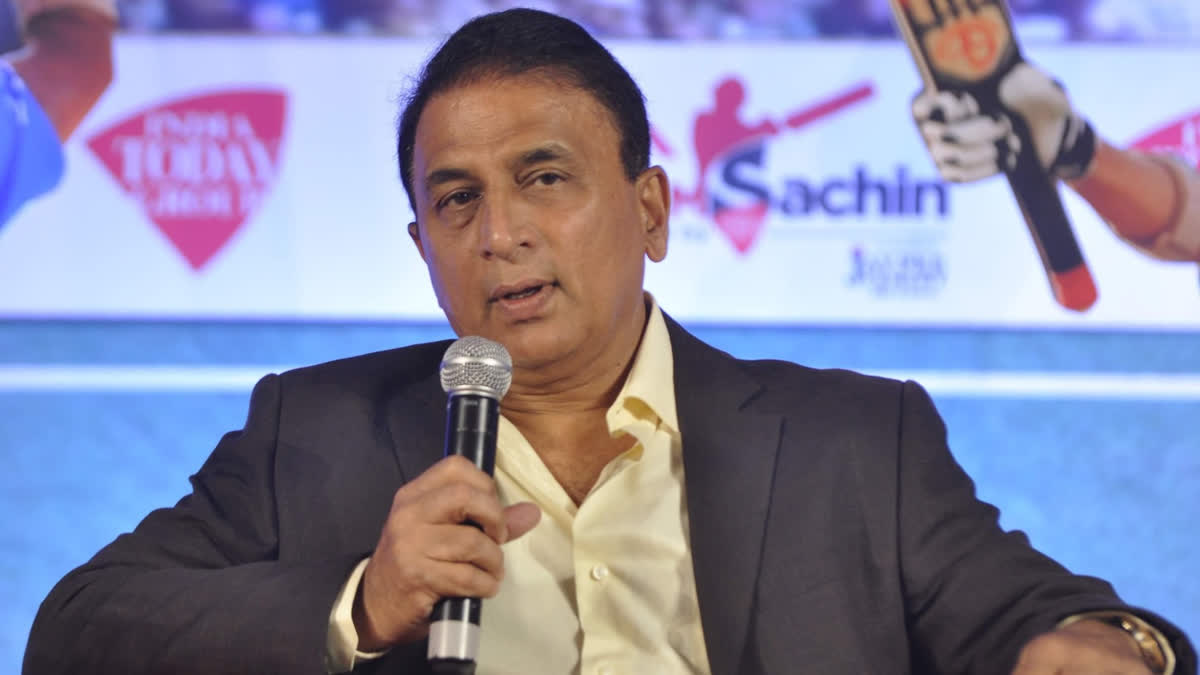
Less than 24 hours after the Government of Pakistan announced that the national team would participate in the World Cup but boycott the match against arch-rivals India, former Indian captain Sunil Gavaskar has weighed in with a scathing assessment. Known for his straight talk, the “Little Master” didn’t hold back, suggesting that this “boycott” might be nothing more than temporary posturing.
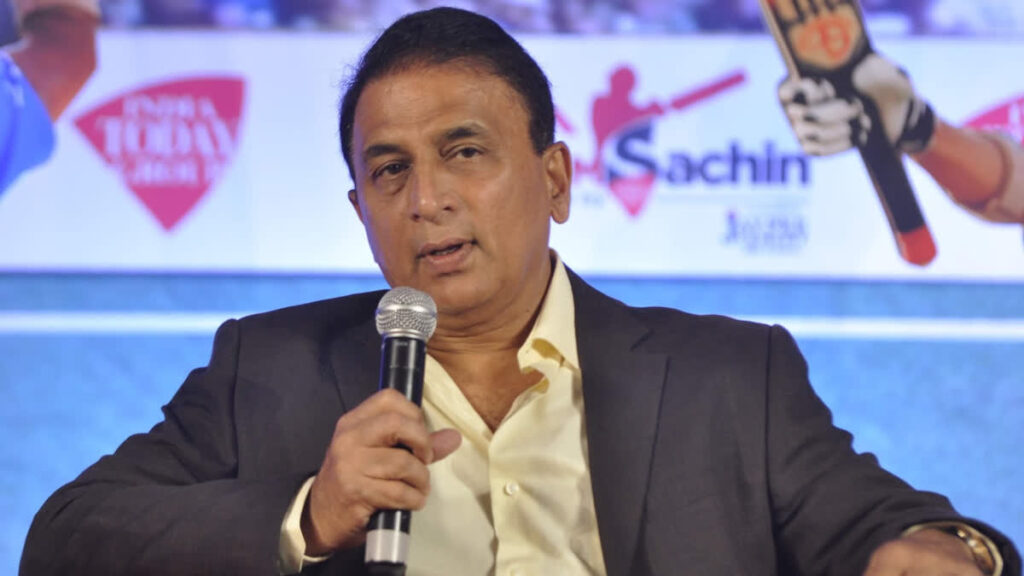
Gavaskar mocked the decision by drawing a parallel to a trend often seen in Pakistan cricket: the “retirement U-turn.” His comments, combined with a stern warning from the International Cricket Council (ICC), suggest that the drama involving the February 15 clash in Colombo is far from over.
Here is the full breakdown of Gavaskar’s reaction, the ICC’s official stance, and the severe sanctions that might force Pakistan to rethink their decision.
The “U-Turn” Roast: Gavaskar Minces No Words
Speaking to Aaj Tak, Sunil Gavaskar dismissed the permanence of the boycott announcement. He argued that external pressure and the volatile nature of decision-making in Pakistan cricket would likely lead to a reversal.
Gavaskar’s dig was specific and stinging. He compared the Pakistan Cricket Board’s (PCB) current stance to the habit of Pakistani players retiring from international cricket, only to reverse that decision days or weeks later.
“What’s new in this? We all know Pakistan cricketers retire and then, four days later, take back their retirement, saying ‘our fans told us to play more’. This might happen again.” — Sunil Gavaskar
Table 1: Gavaskar’s “U-Turn” Prediction Analysis
| Quote Segment | Implied Meaning |
| “In the next 4 or 5 days…” | Predicting a swift collapse of the boycott strategy once reality sets in. |
| “Reactions start pouring in…” | Suggests global backlash and pressure from former Pakistani legends will force a change. |
| “Take back their retirement” | A direct jab at the indecisiveness often observed in Pakistan player management. |
| “Possibility they will change stance” | Gavaskar believes the India match is too big to be ignored permanently. |
Gavaskar’s comments highlight a perception that this move is impulsive rather than strategic. He believes that once the dust settles, the financial and reputational cost of missing the biggest game in global cricket will force the PCB to backtrack.
ICC Strikes Back: “Integrity of Global Cricket” at Risk
While Gavaskar provided the commentary, the ICC provided the regulatory muscle. The governing body broke its silence on Sunday with a statement that was unusually direct for the typically diplomatic organization.
The ICC made it clear that “selective participation”—the idea of playing the tournament but picking and choosing opponents—is a violation of the spirit of the World Cup.
“This position of selective participation is difficult to reconcile with the fundamental premise of a global sporting event where all qualified teams are expected to compete on equal terms per the event schedule.” — ICC Official Statement
The ICC is currently in a holding pattern, waiting for official written communication from the PCB. However, the language used—”undermines the integrity”—is a precursor to disciplinary action.
Table 2: The ICC vs. Pakistan Standoff
| ICC Position | Pakistan Govt Position | The Conflict |
| Full Participation Required | Selective Participation | You cannot play a World Cup while boycotting one team. |
| “Integrity of Global Cricket” | “Sovereign Decision” | ICC rules vs. Government directives. |
| Waiting for PCB Letter | Directive Issued to Team | Bureaucratic delay before the final verdict. |
The “Nuclear” Option: Sanctions That Could Destroy Pakistan Cricket
Why is Gavaskar so confident of a U-turn? The answer likely lies in the severe consequences Pakistan faces if they follow through with the boycott.Reports emerging on Monday suggest that the ICC is preparing a suite of sanctions that go far beyond a simple fine or points deduction. These sanctions could cripple the financial stability of Pakistan cricket for years.
If Pakistan refuses to play India on February 15 in Colombo, the following penalties are on the table:
Table 3: Potential Sanctions for Boycotting the India Match
| Sanction Type | Severity | Impact on Pakistan Cricket |
| Revenue Freeze | Critical | ICC could freeze Pakistan’s share of global revenue. Since the PCB relies heavily on ICC funding, this would be a financial disaster. |
| Competition Ban | High | The team could be barred from future ICC events (Champions Trophy, ODIs) for bringing the game into disrepute. |
| PSL Isolation | Moderate/High | Ban on Overseas Players: The ICC could refuse to issue NOCs (No Objection Certificates) for foreign players to play in the Pakistan Super League (PSL), killing the league’s star power. |
| World Cup Expulsion | Extreme | In the worst-case scenario, the ICC could disqualify Pakistan from the entire 2026 tournament, not just the India match. |
The Match That hangs in the Balance
The fixture in question is not just any game. It is the financial engine of the tournament.
- Fixture: India vs. Pakistan
- Date: February 15, 2026
- Venue: Colombo, Sri Lanka
- Significance: Group A League Stage
Fans have bought tickets, broadcasters have sold ad slots, and the logistics are in place. A cancellation doesn’t just hurt feelings; it burns millions of dollars. This financial pressure is likely what Gavaskar is alluding to when he predicts a reversal.
Editorial Verdict: Is Gavaskar Right?
Sunil Gavaskar has been observing cricket diplomacy for fifty years. He understands that in the subcontinent, rhetoric often runs high before a compromise is reached.
His “retirement” analogy is sharp and humorous, but it points to a deeper truth: money talks. The PCB cannot afford to lose its ICC revenue share, nor can it afford to have the PSL downgraded to a domestic competition without international stars.
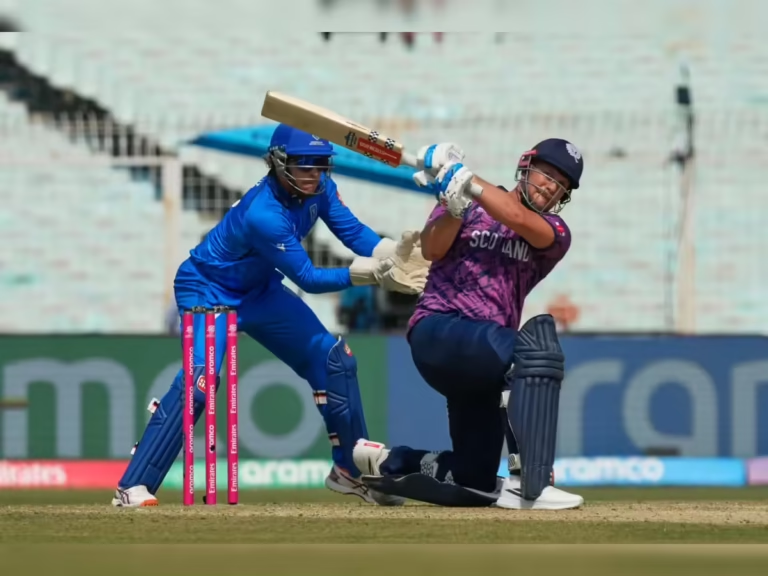
The Government of Pakistan has played a hard card, likely to protest the treatment of Bangladesh (who were replaced by Scotland) and to make a point about India’s refusal to travel. However, facing the combined might of the ICC, the broadcasters, and the potential isolation of their cricket team, a “U-Turn” might not just be possible—it might be inevitable.
As Gavaskar said: “In the next four or five days… reactions will pour in.” The clock is ticking toward February 15. Will Pakistan blink first?
Stay tuned to t20worldcup2026.com for live updates as this diplomatic crisis unfolds.