Bracewell’s Plan: How NZ Will Tackle India & The Crowd
In the high-stakes world of international cricket, there is no such thing as a “quiet” tour of India. It is a sensory overload—a cacophony of noise, intense humidity, and a billion expectations weighing down on the home side. For New Zealand captain Michael Bracewell, the challenge ahead of the first ODI in Vadodara is not just about battling the 11 men in blue jerseys; it is about managing the psychological warfare of playing in the sport’s loudest coliseum.
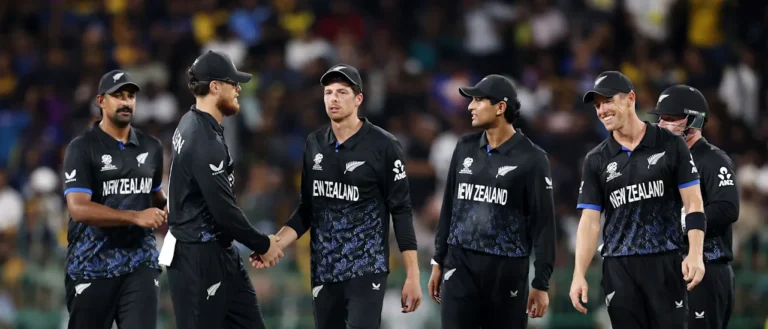
As the Black Caps prepare for the series opener at the newly inaugurated Baroda Cricket Association (BCA) Stadium, Bracewell has revealed a strategy built on a “synergy of old and young.” With the T20 World Cup 2026 looming just weeks away, this series has morphed from a standard bilateral contest into a critical dress rehearsal.
The “Synergy” Strategy: Mentors in the Dressing Room
New Zealand has always punched above their weight, not because they have the biggest superstars, but because they have the smartest systems. Bracewell’s comments ahead of Sunday’s clash reveal a reliance on institutional memory.
The squad is a mix of IPL-hardened veterans and wide-eyed rookies.
- The Mentors: Devon Conway and Glenn Phillips. These aren’t just senior batters; they are “India Specialists.” Having played extensively in the IPL, they understand the unique rhythms of Indian pitches—how the soil crumbles in the afternoon, how the dew skids the ball at night, and how to communicate when 40,000 fans are screaming for your wicket. Bracewell is explicitly using them to bridge the gap for the newcomers.
- The Quote: “We’re leaning heavily on guys like Devon… to share experiences, whether from international cricket or the IPL.”
The Pace Battery: The General and The Rookie
Perhaps the most exciting subplot of the first ODI is the confirmed debut of Kristian Clarke. New Zealand has a proud history of unearthing fast-bowling gems, and Clarke is the latest off the production line. Described by Bracewell as a bowler who has been “bowling brilliantly in domestic cricket,” his inclusion is a bold move.
However, a rookie needs a general. That role falls to the towering Kyle Jamieson.
- The Jamieson Factor: In the absence of other frontline seamers (like Southee or Boult), Jamieson is the undisputed leader of the attack. His extra bounce is a lethal weapon on Indian surfaces, where the ball can often keep low. If Jamieson can unsettle the Indian top order (Rohit and Virat), it gives breathing room for Clarke to find his feet without being under immediate assault.
- The Strategy: Bracewell was clear: “I’ll be leaning a lot on him [Jamieson] to lead the bowling attack.” This suggests Jamieson will bowl the difficult overs—the Powerplay and the death—allowing the debutant Clarke to operate in the middle phase.
The “12th Man”: Battling the Vadodara Roar
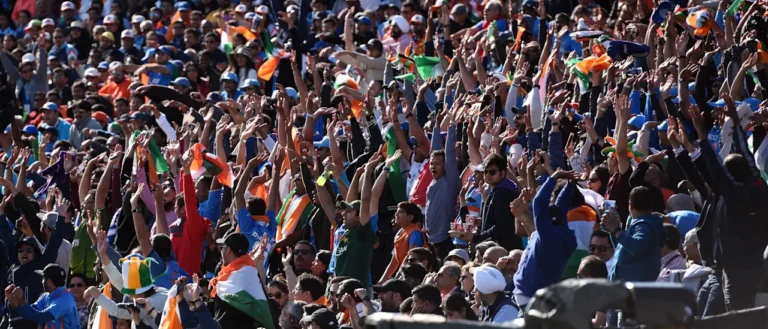
One of the most candid admissions from Bracewell was regarding the crowd. In New Zealand, domestic cricket is often played in serene, picturesque grounds with small, polite crowds. Walking out at the BCA Stadium in Kotambi will be a culture shock.
- The 40,000 Factor: The stadium is sold out. For a player like Adithya Ashok (the young leg-spinner likely to feature) or Clarke, the sheer wall of sound is a physiological stressor. It spikes heart rates and clouds decision-making.
- The Prep: The team has held specific meetings discussing “what to expect when you walk out.” This visualization training is crucial. If the Kiwis panic in the first 10 overs because they can’t hear their captain calling field changes, the game could be lost before it begins.
The Spin Card: Adithya Ashok
While the pacers will start the war, the spinners will fight the battle. Bracewell expressed high confidence in Adithya Ashok.
- The Profile: Tall, quick through the air, and capable of generating bounce—Ashok fits the modern mold of leg-spinners (similar to Ravi Bishnoi).
- The Opportunity: With the World Cup around the corner, Ashok has a golden ticket. If he can confuse India’s masters of spin on their own turf, he books his spot in the World Cup XI.
The Venue: A New Stage for History
Sunday marks a historic moment for the Baroda Cricket Association Stadium in Kotambi, hosting its first-ever men’s international. Bracewell was effusive in his praise, noting the “state-of-the-art” facilities. His comment about “picking up grass to see if it was real” highlights the incredible evolution of Indian cricket infrastructure. A lush, fast outfield promises value for shots, meaning the bowlers will have zero margin for error. A fast outfield usually results in high-scoring thrillers—exactly what the fans want.
The Bigger Picture: World Cup Acclimatization
While Bracewell insists the focus is on “winning the ODIs,” the subtext is undeniable: This is World Cup prep. New Zealand has been in India longer than usual, fulfilling commercial commitments in Mumbai before moving to Vadodara. This extended stay is a luxury. It allows the players’ bodies to adjust to the heat, the food, and the travel logistics.
- The Philosophy: “It’s a huge benefit to be here this far out from the World Cup… slowly hone our skills.”
Conclusion: The Underdogs with a Bite
New Zealand enters this series as underdogs. They are facing a full-strength Indian side at home. But as history shows, the Black Caps are most dangerous when written off.
By blending the aggression of youth (Clarke, Ashok) with the wisdom of experience (Conway, Jamieson, Phillips), Bracewell has crafted a team designed to disrupt. They aren’t just here to participate; they are here to spoil India’s party and fine-tune their own engine for the World Cup.
When the first ball is bowled on Sunday, the noise will be deafening. But inside the New Zealand huddle, the message will be quiet and clear: Stick to the plan.