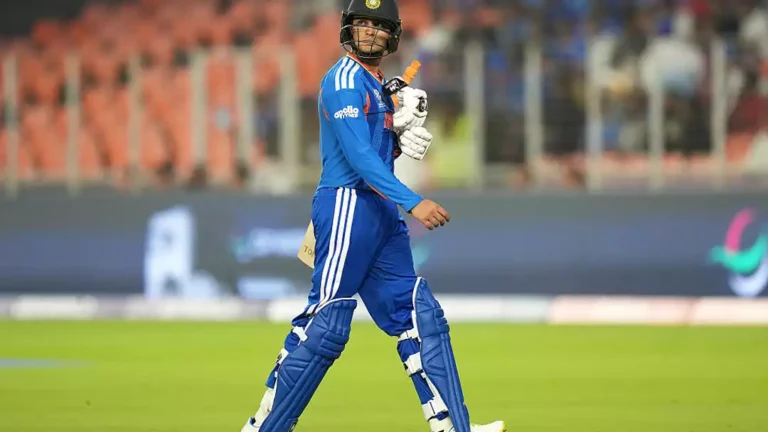
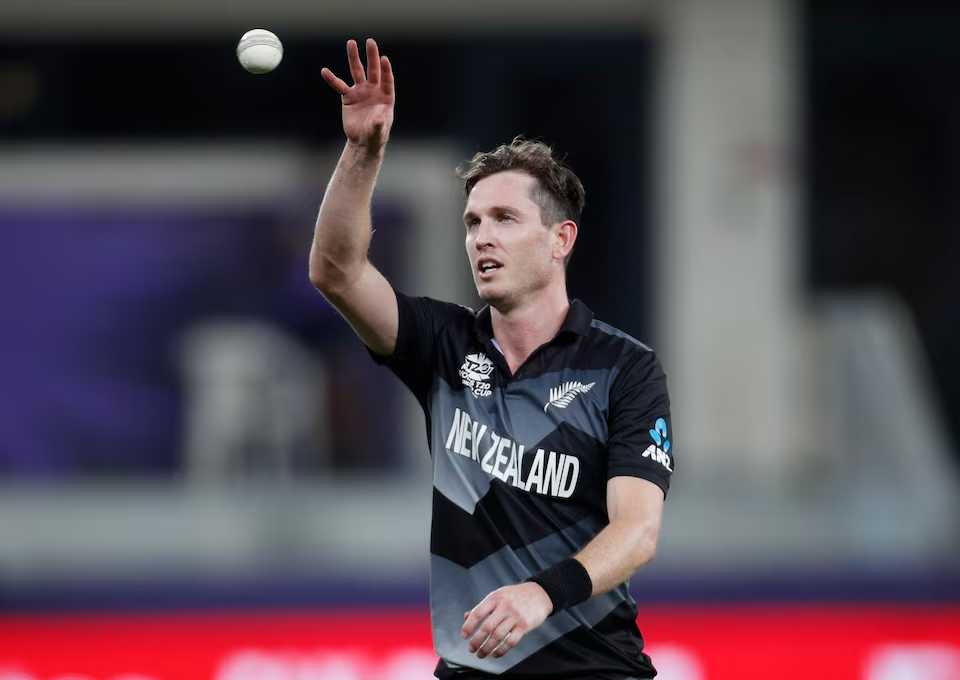
Milne and Bracewell Injuries Rock New Zealand’s T20 World Cup 2026 Preparations
Just when New Zealand’s cricket team needed everything to go smoothly, disaster struck. Fast bowler Adam Milne and all-rounder Michael Bracewell are both nursing injuries that could jeopardize their participation in the upcoming T20 World Cup 2026. With the tournament kicking off February 7, the timing couldn’t be worse for the Black Caps.
New Zealand Cricket confirmed the devastating news on Tuesday, revealing that both players sustained injuries during crucial matches over the weekend. Milne went down with a left hamstring injury while playing for Sunrisers Eastern Cape in South Africa’s SA20 league, while Bracewell suffered a calf strain during the third ODI against India in Indore.
The T20 World Cup 2026 is less than three weeks away, and New Zealand now faces a race against time to get two key players match-fit. These aren’t just squad members—they’re integral parts of the Kiwis’ championship plans.
The Injury Details: What Happened to Milne and Bracewell?
Let’s break down exactly what went wrong and why it matters so much for New Zealand’s tournament prospects.
Adam Milne’s Hamstring Setback
Adam Milne, known for his express pace and ability to generate steep bounce, injured his left hamstring while bowling for Sunrisers Eastern Cape on Sunday. The injury occurred during active play, which typically suggests a moderate to severe strain.
New Zealand Cricket’s statement was carefully worded: “Milne is currently being assessed.” That non-committal language tells you everything—they don’t know yet if he’ll make the World Cup.
Milne’s Importance to New Zealand:
- Premier pace option in powerplay overs
- Death bowling specialist with yorker expertise
- Generates bounce and pace that unsettles batsmen
- Experience in high-pressure tournament situations
- One of few genuine express bowlers in NZ squad
Hamstring injuries are notoriously tricky for fast bowlers. Rush the recovery, and you risk a complete rupture that could end not just a World Cup but an entire season. The medical team faces an impossible decision: aggressive rehabilitation that might get him to the tournament, or conservative treatment that keeps him out.
Michael Bracewell’s Calf Strain
Michael Bracewell’s injury came during fielding in the third ODI against India at Indore on Sunday. A left calf strain might sound less dramatic than a hamstring tear, but for an all-rounder, it’s equally problematic.
Bracewell isn’t just a bowler or just a batsman—he’s both. His batting in the middle order provides stability, while his off-spin gives captain Kane Williamson crucial options in the middle overs.
| Player | Injury Type | When Occurred | Where | Current Status |
|---|---|---|---|---|
| Adam Milne | Left Hamstring | Jan 19 (Sunday) | SA20 (South Africa) | Being assessed |
| Michael Bracewell | Left Calf Strain | Jan 19 (Sunday) | India ODI (Indore) | Treated & monitored |
New Zealand Cricket stated: “Bracewell will be treated and monitored over the coming days before a decision on his further involvement in the tour is confirmed.”
That phrase “further involvement in the tour” is crucial. They’re not even talking about the World Cup yet—they’re focused on whether he can continue the current India series.
Kristian Clarke: The Emergency Call-Up
When crisis strikes, opportunity knocks. Enter Kristian Clarke, the all-rounder who just got the call every cricketer dreams of receiving.
Clarke has been added to the squad as cover for New Zealand’s first three T20 Internationals against India, starting Wednesday. While technically a “cover” player, this could be his audition for a World Cup spot if either Milne or Bracewell can’t recover in time.
What Clarke Brings:
- Genuine pace bowling option
- Useful lower-order batting
- Fresh legs without injury concerns
- Impressive performance in recent ODI series
- Calmness under pressure (per coach Rob Walter)
Coach Rob Walter specifically praised Clarke’s composure: “What was particularly impressive was his calmness and ability to perform under pressure.” High praise from a coach not known for hyperbole.
The Timing Crisis: Why These Injuries Hurt So Much
Let’s be brutally honest—injuries happen in cricket. What makes these particularly devastating is the timing.
Critical Timeline:
| Date | Event | Significance |
|---|---|---|
| January 19 | Milne & Bracewell injured | Both players sustain injuries on same day |
| January 22 | First T20I vs India | Series begins in India |
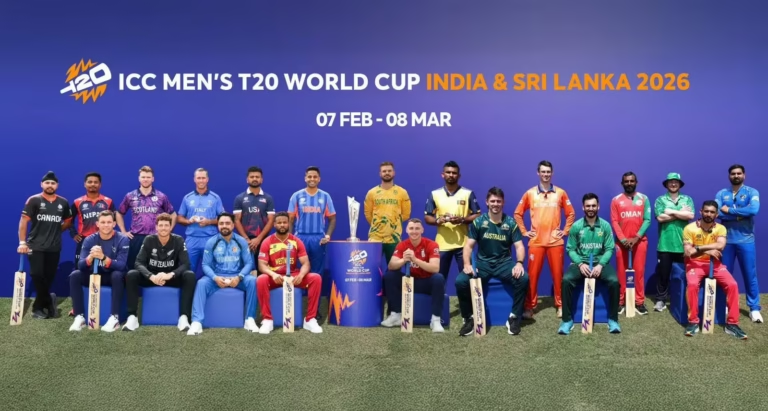
| February 7 | T20 World Cup starts | Tournament begins in India & Sri Lanka |
| February 8 | NZ vs Afghanistan | New Zealand’s opening match in Chennai |
| ~ 2-3 weeks | Recovery period | Typical hamstring/calf recovery time |
New Zealand opens their World Cup campaign on February 8 against Afghanistan in Chennai. That’s barely two and a half weeks from when these injuries occurred.
Hamstring strains typically require 2-4 weeks recovery depending on severity. Calf strains fall into a similar timeframe. Do the math, and you’ll see why New Zealand’s medical team is sweating bullets.
Squad Depth: Can New Zealand Cope Without Them?
Here’s where it gets interesting. New Zealand has always prided itself on producing quality cricketers who can step up when called upon. But losing a premier fast bowler and a genuine all-rounder simultaneously tests even the deepest squad.
New Zealand’s Pace Bowling Alternatives:
- Trent Boult (experienced left-arm option)
- Tim Southee (veteran seamer and leader)
- Lockie Ferguson (genuine pace, if fit)
- Ben Sears (emerging talent)
- Kristian Clarke (now in the mix)
All-Rounder Options to Replace Bracewell:
- Rachin Ravindra (can bowl spin, bats brilliantly)
- Mitchell Santner (left-arm spinner, lower-order hitter)
- Jimmy Neesham (seam-bowling all-rounder)
- Mark Chapman (part-time spin, solid middle-order bat)
The depth exists, but it’s not like-for-like replacement. Milne’s express pace is unique in the squad. Bracewell’s combination of off-spin and middle-order batting creates specific tactical options that others can’t replicate exactly.
Coach Rob Walter’s Perspective: Managing the Chaos
New Zealand coach Rob Walter didn’t sugarcoat the situation when addressing the media. His comments reveal a coaching staff juggling multiple challenges simultaneously.
“We’ve got a fair bit of player movement at the moment with some guys returning from injury for this series, others joining us immediately from franchise cricket and the rest coming off the India ODI series,” Walter explained.
Translation: it’s organized chaos. Some players are coming back from previous injuries, others are arriving from global T20 leagues, and the rest just finished a demanding ODI series. Now add two fresh injuries to that mix.
Walter’s emphasis on ensuring “enough pace-bowling options for the first three games” suggests the coaching staff is particularly concerned about their bowling resources for the India T20I series—a crucial tune-up before the World Cup.
The India T20I Series: Make or Break Preparation
New Zealand faces India in a five-match T20I series starting Wednesday. Originally viewed as ideal World Cup preparation, it’s now become an injury management nightmare.
Series Importance:
- Final competitive matches before World Cup
- Playing in Indian conditions (half the World Cup venues)
- Testing combinations and strategies
- Building team confidence and rhythm
- Identifying who replaces injured players
The series provides valuable match practice, but it also carries risk. Every game means potential for more injuries. Do you rest borderline players to protect them for the World Cup? Or do you play them to ensure match sharpness?
These are the decisions keeping Rob Walter up at night.
Group D: New Zealand’s World Cup Path
New Zealand finds itself in Group D alongside Afghanistan, Canada, South Africa, and UAE. On paper, it’s a manageable group, but tournament cricket has a habit of producing upsets.
Group D Breakdown:
| Team | Strengths | Key Threat to NZ |
|---|---|---|
| Afghanistan | Spin bowling depth, explosive batting | Rashid Khan & spinners on turning tracks |
| South Africa | Balanced attack, big-match experience | Tendency to peak in World Cups |
| Canada | Underdog mentality, nothing to lose | Dangerous on their day |
| UAE | Local conditions knowledge (if in Asia) | Dark horse potential |
New Zealand’s opening match against Afghanistan in Chennai on February 8 will set the tournament tone. Afghanistan’s spin-heavy attack on a Chennai wicket could exploit any batting vulnerabilities—exactly the kind of challenge where Bracewell’s experience would be invaluable.
The Broader Impact: Tournament Favorites Reshuffled?
These injuries don’t just affect New Zealand—they ripple through the entire tournament landscape. Bookmakers and analysts who had New Zealand as dark horses to win it all are now reassessing.
Pre-Injury Tournament Assessment:
- New Zealand viewed as dangerous outside contenders
- Balanced squad with experienced World Cup performers
- Strong record in ICC tournaments under pressure
- Potential semifinal material, possibly finalists
Post-Injury Reality:
- Squad depth being tested before tournament even starts
- Key tactical options potentially unavailable
- Replacement players lack tournament experience
- Quarterfinal exit becomes more likely if injuries linger
The cruel irony? New Zealand has been here before. They’ve reached World Cup finals despite adversity. But that doesn’t make these injuries any less concerning.
What the Medical Experts Say About Recovery Timelines
Speaking to sports medicine professionals provides context for what Milne and Bracewell face over the next two weeks.
Hamstring Injury Recovery (Milne):
- Grade 1 strain: 7-14 days recovery
- Grade 2 strain: 14-28 days recovery
- Grade 3 strain: 6+ weeks recovery
Calf Strain Recovery (Bracewell):
- Mild strain: 10-14 days
- Moderate strain: 21-28 days
- Severe strain: 4-6 weeks
The grade of these injuries hasn’t been publicly disclosed, but NZC’s cautious language suggests they’re not minor knocks. Both players need to progress through running, bowling, and match simulation before being cleared.
Fan Reactions and Social Media Sentiment
New Zealand cricket fans took to social media with mixture of concern and gallows humor. The hashtag #BlackCaps trended across platforms as supporters digested the news.
Some fans pointed out New Zealand’s historical resilience, reminding others about previous tournament success despite adversity. Others expressed frustration about the timing, with many questioning whether players should participate in franchise leagues so close to major tournaments.
The latest T20 World Cup updates continue to generate intense discussion, with injury news adding unexpected drama to pre-tournament narratives.
What Happens Next: Key Dates to Watch
The next 10 days will determine New Zealand’s World Cup fate regarding these injuries.
Critical Upcoming Dates:
- January 22: First T20I vs India—Clarke’s potential debut
- January 25-27: Monitoring period for Bracewell’s decision
- January 28-30: Milne’s assessment results expected
- February 1-3: Final squad adjustments deadline
- February 7: T20 World Cup begins
- February 8: NZ vs Afghanistan—tournament opener
New Zealand Cricket will likely provide updates after the initial India T20I matches, once medical staff have clearer pictures of both recoveries.
Frequently Asked Questions
Q1: How serious are Adam Milne and Michael Bracewell’s injuries? Milne sustained a left hamstring injury while Bracewell suffered a left calf strain. Both injuries occurred on January 19, and New Zealand Cricket is currently assessing their severity. Recovery timelines typically range from 2-4 weeks depending on the grade of strain.
Q2: Will Milne and Bracewell miss the T20 World Cup 2026? It’s too early to confirm. New Zealand Cricket stated both players are being assessed and monitored. With the tournament starting February 7, there’s approximately 2.5 weeks for recovery—borderline for typical hamstring and calf injuries.
Q3: Who is Kristian Clarke and why was he called up? Kristian Clarke is an all-rounder who impressed during New Zealand’s recent ODI series in India. He’s been added as cover for the first three T20Is against India and could earn a World Cup spot if Milne or Bracewell can’t recover in time.
Q4: When does New Zealand play their first World Cup 2026 match? New Zealand opens their World Cup campaign on February 8 against Afghanistan in Chennai. They’re in Group D alongside Afghanistan, Canada, South Africa, and UAE.
Q5: Can New Zealand still win the T20 World Cup without Milne and Bracewell? While losing both players weakens their squad, New Zealand has quality depth with bowlers like Boult, Southee, and Ferguson, plus all-rounders like Ravindra and Santner. They remain competitive but face tougher odds without two key players.
Q6: Where can I follow New Zealand’s squad updates and World Cup news? For the latest squad announcements and injury updates, check official T20 World Cup 2026 news coverage and New Zealand Cricket’s official channels for real-time information.
Final Thoughts: Adversity Tests Championship Mettle
Cricket has a saying: “It’s not about the hand you’re dealt, but how you play it.” New Zealand faces exactly that test right now.
Losing Adam Milne and Michael Bracewell weeks before a World Cup would shake any team. But if there’s one nation that’s mastered the art of tournament resilience, it’s New Zealand. They’ve reached finals, defied expectations, and produced heroic performances when least expected.
The next two weeks will reveal whether medical miracles can get both players fit, whether Kristian Clarke can seize his opportunity, and whether New Zealand’s famous depth can compensate for absent stars.
One certainty remains: the Black Caps won’t lack fighting spirit when they take the field on February 8, regardless of who’s wearing the jersey. That’s just who they are.