ICC vs Bangladesh Standoff: 3 Critical Scenarios That Could Reshape T20 World Cup 2026
The clock is ticking. Bangladesh has until Wednesday, January 21, to make a decision that could either secure their spot in the T20 World Cup 2026 or open the door for Scotland to crash the party. What started as a player dispute has snowballed into a full-blown diplomatic crisis between the ICC and Bangladesh Cricket Board, and nobody’s backing down.
The T20 World Cup 2026 is barely months away, yet one of cricket’s emerging powerhouses might not even show up. The controversy has split opinions, sparked heated debates among former players, and left fans wondering: what happens next?
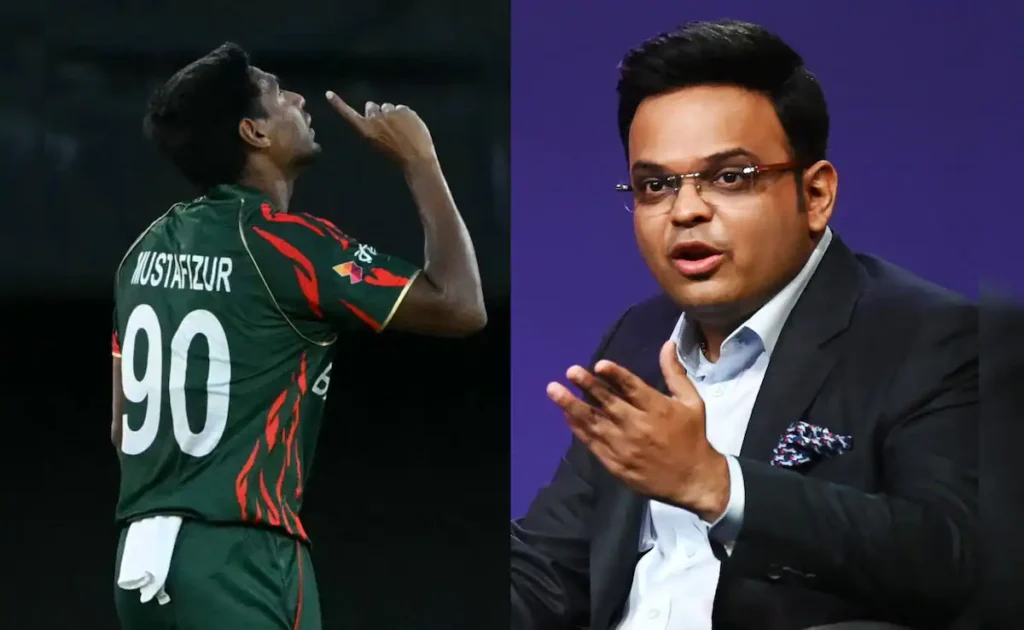
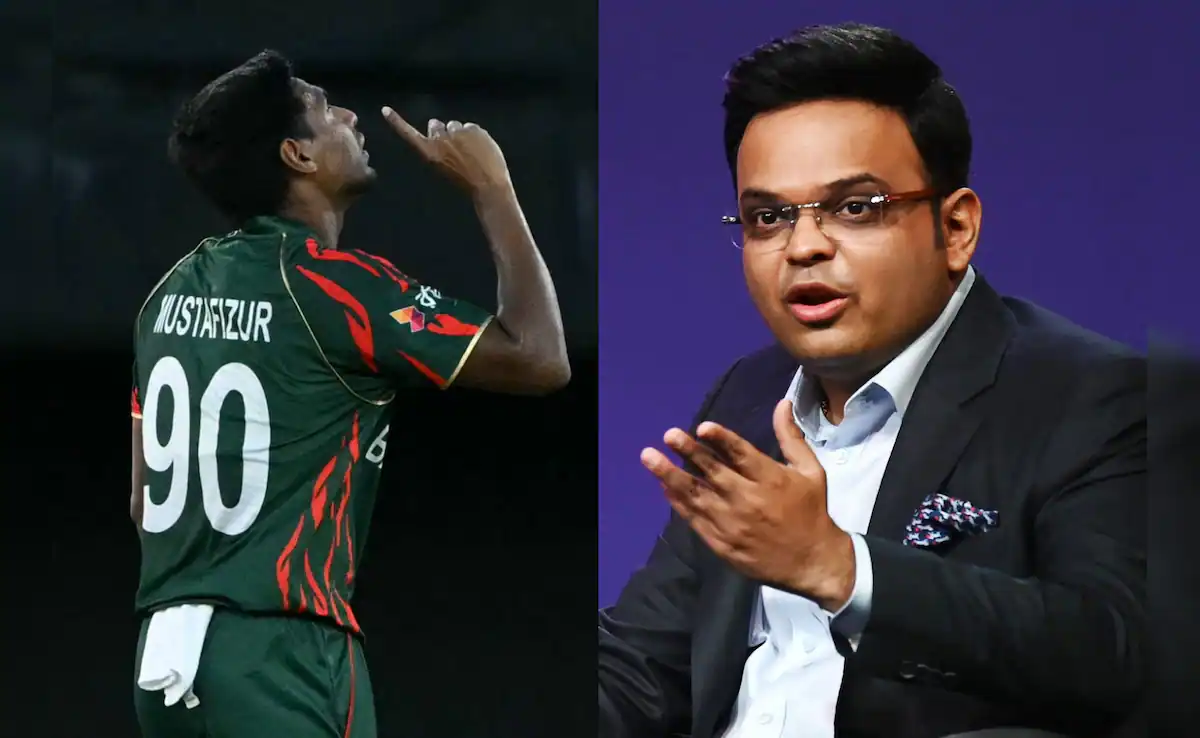
The Mustafizur Controversy That Started It All
This entire mess traces back to one decision: the Board of Control for Cricket in India (BCCI) directing Kolkata Knight Riders to drop Mustafizur Rahman from their IPL 2026 squad. That single move lit a fuse that’s still burning.
Bangladesh didn’t just take offense—they declared war. The BCB immediately cited “security concerns” and flat-out refused to send their team to India for their scheduled group matches in Kolkata and other Indian venues.
What Followed:
- BCB demanded venue changes from India to Sri Lanka
- Internal board chaos with officials issuing show-cause notices
- One board official forced to resign over public statements
- Current and former Bangladeshi cricketers speaking out angrily
- Complete communication breakdown between ICC and BCB
The International Cricket Council has tried negotiations, assessments, and diplomatic channels. Their security evaluation concluded the threat level at Indian venues was “nil to negligible,” but Bangladesh isn’t buying it.
ICC’s January 21 Ultimatum: Decision Time
According to multiple media reports, the ICC has drawn a line in the sand. Bangladesh must confirm their participation by Wednesday, January 21—that’s tomorrow as this story unfolds. No more delays. No more negotiations. Just a simple yes or no.
The stakes couldn’t be higher for both parties. For Bangladesh, it’s about principles and player safety. For the ICC, it’s about maintaining tournament integrity and not setting dangerous precedents.
| Key Deadline Details | Information |
|---|---|
| Deadline Date | January 21, 2026 |
| Decision Required | Final participation confirmation |
| Current Status | No agreement reached |
| Alternative Team | Scotland (highest-ranked non-qualifier) |
| Original Venues | Kolkata and other Indian cities |
| Requested Venues | Sri Lankan stadiums |
Scotland Waiting in the Wings
Here’s where it gets interesting. If Bangladesh walks away, Scotland stands ready to fill the void. But according to a recent BBC report, the ICC hasn’t officially contacted Cricket Scotland yet—a sign of respect for the ongoing BCB discussions.
Cricket Scotland officials have confirmed they’ve maintained silence “out of respect for the Bangladesh Cricket Board.” It’s diplomatic, sure, but you can bet they’re keeping their squad on standby.
Historical Precedent: Remember 2009? When Zimbabwe pulled out of the T20 World Cup in England, Scotland got the call-up. Could history repeat itself seventeen years later? The possibility is very real.
Scenario 1: Bangladesh Accepts ICC Terms (The Compromise Route)
The first and most straightforward scenario involves Bangladesh swallowing their pride and agreeing to play in India. This doesn’t mean complete capitulation—minor adjustments could sweeten the deal.
How This Could Work:
- BCB agrees to play in Indian venues with enhanced security protocols
- ICC might offer neutral security oversight or international observers
- Matches could shift from Kolkata to other “less sensitive” Indian cities
- Additional financial guarantees or concessions from ICC
- Face-saving statements about “mutually acceptable solutions”
This option keeps the tournament schedule intact and avoids the administrative nightmare of last-minute team replacements. It’s the path of least resistance, but it requires Bangladesh to back down from their hardline stance.
Likelihood Assessment: Moderate. Both sides have invested too much in their positions, but tournament reality might force pragmatism.
Scenario 2: ICC Stands Firm—Bangladesh Forfeits (The Nuclear Option)
What if the ICC simply refuses to budge? This scenario mirrors what happened during the 1996 World Cup when Australia and West Indies refused to travel to Sri Lanka citing security concerns.
The ICC’s response back then was straightforward: don’t show up, and your opponents get the points. No negotiation. No alternative arrangements.
What This Means:
- Bangladesh’s opponents automatically awarded match wins
- Group C competition effectively reduced to four teams
- Scotland replaces Bangladesh in Group C
- BCB faces potential financial penalties and ICC sanctions
- Long-term relationship damage between Bangladesh and ICC
| 1996 World Cup Precedent | Potential 2026 Application |
|---|---|
| Australia/West Indies refused Sri Lanka travel | Bangladesh refuses India travel |
| Opponents awarded automatic wins | Same outcome for Bangladesh’s group matches |
| No alternative venues offered | ICC maintains original schedule |
| Teams faced criticism but no major sanctions | BCB might face harsher consequences |
This hardline approach sends a message: security assessments matter, and boards can’t unilaterally dictate terms. But it also risks alienating a Full Member nation and creating lasting resentment.
Likelihood Assessment: High. The ICC has already rejected Bangladesh’s initial requests and shows no signs of flexibility.
Scenario 3: Group Swap Solution (The Complex Compromise)
Bangladesh’s preferred solution involves a group reshuffle. They want out of Group C (all India venues) and into Group B (all Sri Lanka venues). Sounds simple, right? Not quite.
The Current Group Structure:
| Group | Teams | Primary Venues |
|---|---|---|
| Group A | India, Pakistan, Netherlands, Namibia, USA | Mixed (Pakistan plays in Sri Lanka) |
| Group B | Australia, Ireland, Oman, Sri Lanka, Zimbabwe | Sri Lanka |
| Group C | Bangladesh, England, Italy, Nepal, West Indies | India |
| Group D | Afghanistan, Canada, New Zealand, South Africa, UAE | Mixed venues |
Here’s the problem: which Group B team gets bumped to Group C? Each option creates complications:
Potential Swap Candidates:
- Ireland: Has existing venue arrangements; moving them disrupts schedules
- Oman: Smaller cricket nation but swap seems arbitrary
- Zimbabwe: Another African nation; creates continental imbalance
- Sri Lanka: Home team, absolutely won’t move
Any swap requires re-coordinating venues, broadcast schedules, ticketing, and hotel arrangements. The logistical headache is massive, and there’s no “fair” choice that doesn’t disadvantage someone.
Likelihood Assessment: Low. Too complex with too many stakeholders affected. ICC rarely makes such significant structural changes this close to tournaments.
What Former Players and Experts Are Saying
The controversy has divided cricket’s inner circle. Some Bangladeshi legends have publicly criticized their own board’s handling of the situation, while others defend the security-first approach.
One board official already paid the price—issued a show-cause notice and subsequently forced to resign after making controversial public statements. This internal chaos suggests Bangladesh’s cricket establishment isn’t unified on the best path forward.
International cricket experts have pointed out the dangerous precedent this sets. If every board can veto venues based on political tensions, how do you organize any multi-nation tournament?
The Bigger Picture: What This Means for International Cricket
Beyond the immediate crisis, this standoff reveals deeper cracks in cricket’s governance structure. We’re seeing:
Systemic Issues Exposed:
- Power imbalances between boards (BCCI’s influence vs. smaller boards)
- Inadequate conflict resolution mechanisms
- Security assessment credibility questions
- Political tensions bleeding into sporting events
- ICC’s limited enforcement authority
The resolution—whatever it is—will set precedents for future tournaments. Can boards unilaterally refuse to play in certain countries? What constitutes legitimate security concerns? Who has final say on venue decisions?
What Happens If Scotland Gets the Call?
Let’s game out the Scotland scenario. If they replace Bangladesh, they’d enter Group C facing England, Italy, Nepal, and West Indies. Not an easy group, but certainly beatable.
Scotland’s Potential Impact:
- Fresh enthusiasm and underdog energy
- No political baggage or controversy
- Opportunity to prove themselves against top-tier competition
- Could upset established teams with nothing to lose mentality
Scotland wouldn’t be the first replacement team to make waves. Remember when Afghanistan entered the international scene? Underdogs can create magic when given the chance.
Commercial and Broadcasting Implications
Lost in the political drama are the massive commercial stakes. Broadcasting contracts, sponsorship deals, and advertising campaigns have been locked in for months based on the original tournament structure.
Financial Considerations:
- Broadcast rights sold based on specific team matchups
- Sponsor contracts tied to Bangladesh’s market presence
- Ticket sales already processed for Bangladesh matches
- Betting markets and fantasy cricket platforms affected
A last-minute team change creates chaos across the entire commercial ecosystem. Broadcasters might demand compensation, sponsors could renegotiate terms, and ticket holders in Indian venues face uncertainty.
The January 21 Deadline: What to Watch For
As Wednesday approaches, several indicators will signal which direction this is heading:
Key Signs to Monitor:
- Official statements from BCB leadership
- ICC press releases or media briefings
- Cricket Scotland’s preparedness announcements
- Bangladeshi player social media activity
- Sponsor and broadcaster reactions
The silence from both ICC and BCB over the past 48 hours suggests intense behind-the-scenes negotiations. Either they’re crafting a compromise, or they’re preparing for the worst.
Fan Reactions and Social Media Firestorm
Cricket Twitter has absolutely exploded over this controversy. Bangladeshi fans are split—some supporting their board’s stance on principle, others frustrated at potentially missing the World Cup.
Indian fans largely view Bangladesh’s demands as unreasonable, while neutral observers from Australia, England, and other nations are watching the drama unfold with mixture of amusement and concern.
The hashtags #T20WorldCup2026, #ICCvsBangladesh, and #BangladeshCricket have been trending across South Asian social media platforms for days.
Frequently Asked Questions
Q1: What exactly is Bangladesh demanding from the ICC? Bangladesh wants their T20 World Cup 2026 group matches moved from Indian venues to Sri Lanka, citing security concerns following the Mustafizur Rahman-IPL controversy. They’ve also requested a complete group swap from Group C to Group B.
Q2: Why did the ICC reject Bangladesh’s venue change request? The ICC conducted security assessments and determined the threat level at Indian venues was “nil to negligible.” They believe Bangladesh’s concerns aren’t justified by actual security risks and setting this precedent would be problematic.
Q3: When is the deadline for Bangladesh to make their final decision? The ICC has reportedly set January 21, 2026 as the deadline for Bangladesh Cricket Board to confirm whether they’ll participate in the tournament under the current arrangements.
Q4: Who would replace Bangladesh if they pull out of the T20 World Cup? Scotland, as the highest-ranked non-qualified team, would likely replace Bangladesh in Group C. However, Cricket Scotland has stated they haven’t received official contact from the ICC yet.
Q5: Has something like this happened before in cricket history? Yes, during the 1996 World Cup, Australia and West Indies refused to travel to Sri Lanka citing security concerns. Their opponents were awarded wins, and the tournament continued without major changes.
Q6: Can fans still purchase tickets for Bangladesh’s scheduled matches? While tickets remain available for sale, fans should be aware that if Bangladesh withdraws, the matchups will change with Scotland as their likely replacement in all scheduled fixtures.
Final Thoughts: A Crossroads for Cricket Diplomacy
This isn’t just about one team or one tournament. The ICC vs Bangladesh standoff represents a critical test of cricket’s governing structure and its ability to navigate political complexity.
Tomorrow’s deadline will reveal whether cricket’s leadership can find middle ground or if hardline positions will prevail. Bangladesh faces a choice between principles and participation. The ICC must balance flexibility with authority.
Whatever happens on January 21, the reverberations will extend far beyond this single tournament. Future venue selections, security protocols, and board autonomy will all be influenced by how this crisis resolves.
One thing’s certain: cricket fans worldwide are watching, waiting, and hoping this gets sorted before the tournament’s first ball is bowled. The sport deserves better than last-minute chaos and political gamesmanship overshadowing what should be a celebration of cricket’s global growth.