Pakistan Demanded Nothing From ICC in Bangladesh Deal, Says PCB Chairman Mohsin Naqvi
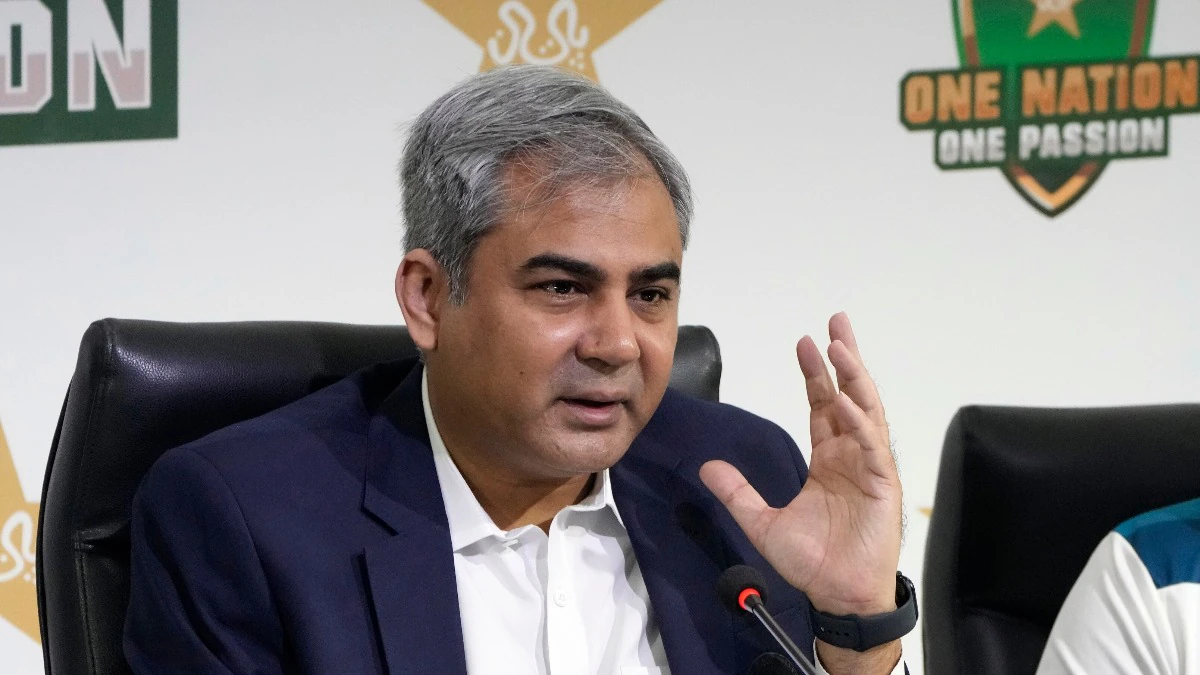
PCB Chairman Mohsin Naqvi has made a stunning revelation that Pakistan did not negotiate any financial compensation, hosting rights, or special deals with the ICC when agreeing to play against India in the T20 World Cup 2026. This clarification comes after widespread speculation about behind-the-scenes agreements that may have influenced Pakistan’s decision reversal.
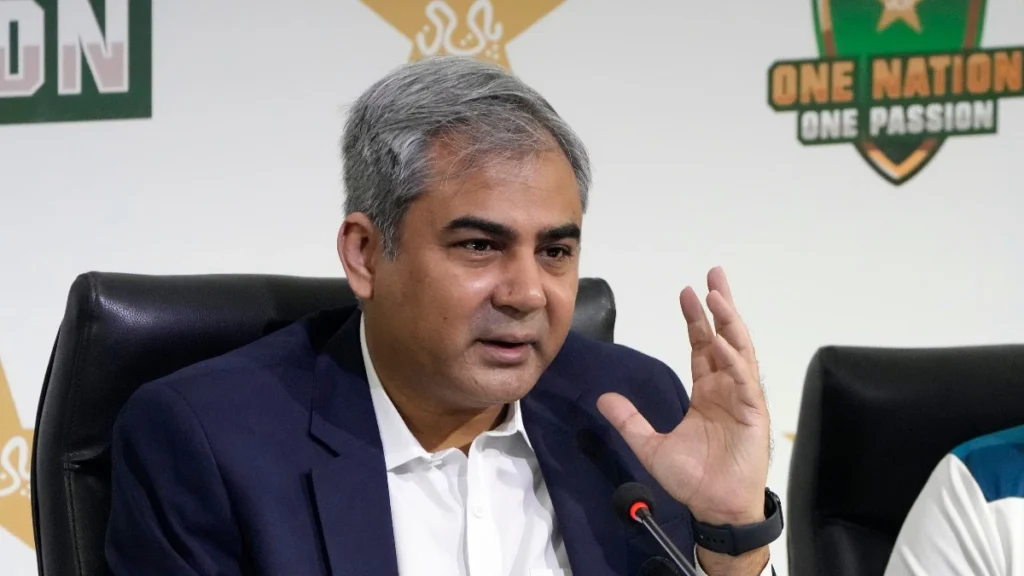
What Mohsin Naqvi Actually Said
| Key Statement | Details |
|---|---|
| Main Quote | “Pakistan took a stand in support of Bangladesh and we did not demand anything for us” |
| Deal Status | Zero financial or hosting agreements made |
| Motivation | Pure solidarity with Bangladesh |
| Revenue Share | No additional revenue negotiated |
| Hosting Rights | No future hosting guarantees secured |
| Position | Pakistan acted on principle, not profit |
In a press conference that sent shockwaves through cricket circles, Naqvi categorically denied rumors of secret negotiations. “Pakistan took a stand in support of Bangladesh and we did not demand anything for us,” the PCB chairman stated emphatically, putting to rest days of intense speculation.
Rumors That Have Been Debunked
Social media and cricket forums had been buzzing with theories about what Pakistan might have extracted from the ICC in exchange for reversing their boycott decision. Here are the popular theories that Naqvi’s statement has now completely dismissed:
Speculated Deals (All False):
- Future hosting rights for ICC tournaments
- Increased revenue share from ICC events
- Guaranteed bilateral series with lucrative opponents
- Special broadcasting or sponsorship considerations
- Compensation for agreeing to play India match
- Promises regarding Champions Trophy hosting arrangements
Naqvi’s straightforward denial eliminates all these conspiracy theories, revealing that Pakistan’s decision was driven purely by diplomatic requests from Sri Lanka and Bangladesh, not by financial incentives.
Why This Statement Matters
This revelation is significant because it shows that Pakistan prioritized relationships and cricket diplomacy over commercial gains. In an era where cricket is increasingly driven by broadcasting revenues and commercial considerations, PCB’s stance appears remarkably principled.
What Pakistan Actually Got
| Category | Outcome |
|---|---|
| Financial Compensation | Nothing |
| Hosting Rights | No guarantees |
| Revenue Deals | Zero additional share |
| Broadcasting Rights | No special arrangements |
| Tournament Spots | No promises |
| Bilateral Series | No confirmed fixtures |
The answer across every category is the same: nothing. Pakistan agreed to play the India match based solely on diplomatic appeals, particularly from Sri Lanka’s President, who reminded Pakistan of their historical support during Sri Lanka’s terrorism crisis.
Context Behind Pakistan’s Original Stance
To understand the significance of this “no deal” position, it’s important to revisit why Pakistan initially refused to play India. The PCB had announced a boycott in solidarity with Bangladesh after the ICC rejected Bangladesh Cricket Board’s request to shift their World Cup matches from India to Sri Lanka due to security concerns.
Timeline of Events:
- Bangladesh requested match venue changes citing security
- ICC rejected the request and replaced Bangladesh with Scotland
- Pakistan announced boycott of India match in solidarity
- Sri Lankan President personally called PM Shehbaz Sharif
- Bangladesh Cricket Board also requested Pakistan to reconsider
- Pakistan agreed to play without negotiating any compensation
This sequence demonstrates that Pakistan’s reversal came purely from diplomatic pressure, not financial enticement.
What High-Level Approaches Actually Involved
During the same press conference, Mohsin Naqvi had mentioned that “very high-level approaches have been made” and “many friendly countries have contacted us.” These approaches, it now appears, were purely diplomatic requests rather than commercial negotiations.
Nature of High-Level Contact:
- Diplomatic appeals from friendly nations
- Requests to preserve tournament integrity
- Appeals to Pakistan’s role in cricket development
- Reminders of historical relationships
- Focus on cricket’s future in South Asia
- No financial or commercial discussions
The “high-level” nature referred to the seniority of officials making requests (including Sri Lanka’s President), not to the value of deals being offered.
Impact on Pakistan’s Image
This “no deal” position actually strengthens Pakistan’s reputation in international cricket. By showing they acted on principle rather than profit, the PCB demonstrates:
Positive Image Outcomes:
- Commitment to cricket diplomacy over commerce
- Willingness to support fellow cricket boards
- Respect for historical friendships
- Maturity in handling political pressures
- Focus on sport’s long-term health
- Leadership in South Asian cricket unity
Rather than being seen as capitulating to pressure, Pakistan can now claim they made a selfless decision for cricket’s broader good.
How This Affects Tournament Dynamics
With Pakistan confirmed to play India on February 15 without any side deals, the focus shifts entirely to the on-field battle. The upcoming match will be judged purely on cricketing merit, without commercial controversies overshadowing the action.
Tournament Implications:
The absence of any special deals means Pakistan enters this match with no obligations beyond competing fairly. There are no hidden agendas, no commercial pressures, and no secondary considerations affecting team selection or strategy.
Cricket fans following the live streaming can enjoy the contest knowing it’s a pure sporting event, unmarred by backroom commercial arrangements.
Comparison With Other Cricket Board Decisions
Pakistan’s approach contrasts sharply with how some other cricket boards have historically negotiated their participation in tournaments. Several boards have previously secured:
- Guaranteed revenue shares before committing to tours
- Hosting rights as compensation for participation
- Broadcasting arrangements favoring their territories
- Bilateral series commitments in exchange for cooperation
PCB’s decision to demand nothing sets a different precedent, showing that cricket diplomacy can still operate on goodwill rather than purely transactional relationships.
What Happens Next
With the “no deal” confirmation public, attention now turns to Pakistan’s performance in the tournament. The competing teams and their positioning on the points table will be determined by cricket skills alone, not by commercial considerations.
Upcoming Focus Areas:
- Pakistan’s preparation for the India clash
- Team selection and strategy discussions
- Player form and fitness updates
- Group stage scenarios and qualification paths
- Fan engagement and ticket sales for the mega match
The PCB can now concentrate entirely on cricket matters without defending commercial negotiations or justifying financial demands.
Mohsin Naqvi’s Leadership Style
This episode reveals Naqvi’s approach as PCB Chairman. By publicly stating that Pakistan demanded nothing, he demonstrates:
Leadership Characteristics:
- Transparency in decision-making
- Willingness to explain choices publicly
- Focus on cricket’s bigger picture
- Resistance to commercial temptations
- Commitment to South Asian cricket unity
- Diplomatic rather than confrontational approach
These qualities could shape Pakistan cricket’s future direction under his stewardship.
International Reaction
The cricket community’s response to Pakistan’s “no deal” stance has been largely positive. By confirming they acted without extracting concessions, Pakistan has earned respect from:
- Fellow cricket boards appreciating the principled stand
- Fans valuing sportsmanship over commerce
- Media praising transparent communication
- ICC officials relieved to avoid complex negotiations
- Diplomatic circles recognizing mature crisis management
Frequently Asked Questions
Did Pakistan get any financial compensation from ICC for playing India?
No, PCB Chairman Mohsin Naqvi confirmed that Pakistan demanded nothing and received no financial compensation, revenue share increases, or special deals from the ICC.
What deals did Pakistan negotiate for agreeing to play in T20 World Cup 2026?
Zero deals were negotiated. Naqvi explicitly stated “we did not demand anything for us,” meaning no hosting rights, revenue arrangements, or other compensations were secured.
Why did Pakistan reverse their decision to boycott the India match?
Pakistan reversed their decision based purely on diplomatic requests from Sri Lanka’s President and Bangladesh Cricket Board, not because of any commercial deals or financial incentives.
Will Pakistan host future ICC tournaments as part of this agreement?
No such agreement exists. Pakistan received no guarantees or promises regarding future hosting rights as part of agreeing to play against India.
Did Bangladesh Cricket Board offer Pakistan anything for playing India?
No, Bangladesh simply requested Pakistan to play the match. Pakistan’s decision to support Bangladesh initially, and then agree to play, involved no financial transactions or deals.
What was the “high-level approach” Mohsin Naqvi mentioned?
The high-level approaches were diplomatic requests from friendly countries and cricket boards, including Sri Lanka’s President, asking Pakistan to reconsider. These were purely diplomatic, not commercial negotiations.