Heartbreak for Netherlands: Pakistan Steals Victory in Final Moments
The ICC Men’s T20 World Cup 2026 has kicked off with a contest that will be remembered for its sheer unpredictability and nerve-wracking finish. On a humid afternoon at the Sinhalese Sports Club (SSC) Ground in Colombo, Pakistan narrowly avoided a catastrophic start to their campaign, securing a victory that looked unlikely until the penultimate over. In a match defined by swinging fortunes, collapses, and gritty comebacks, it was the ice-cool temperament of Faheem Ashraf that eventually separated the two sides.
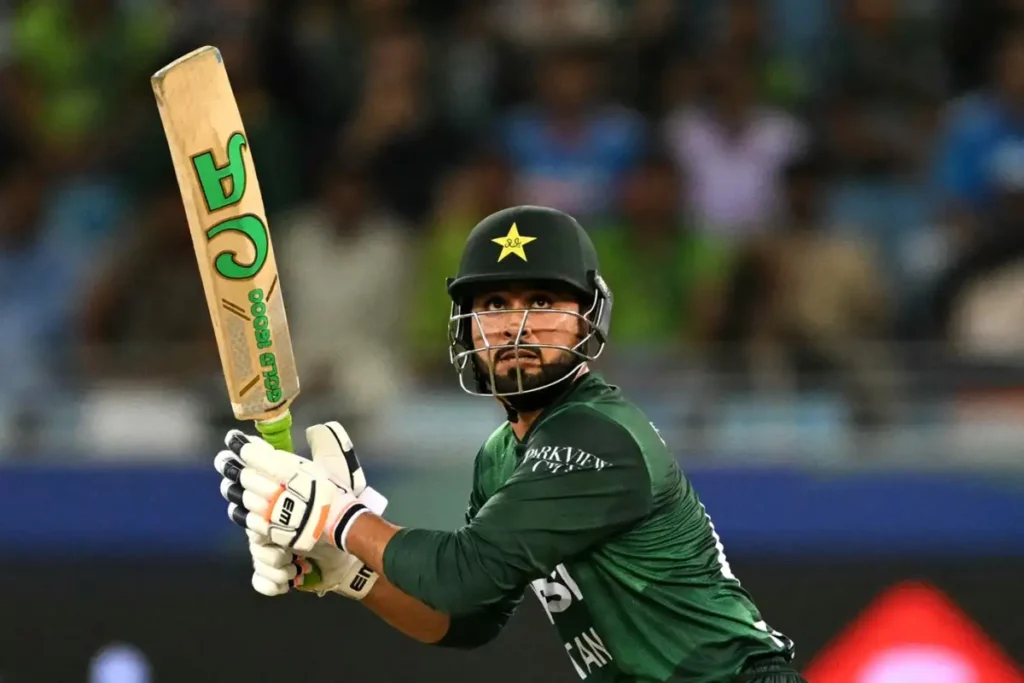
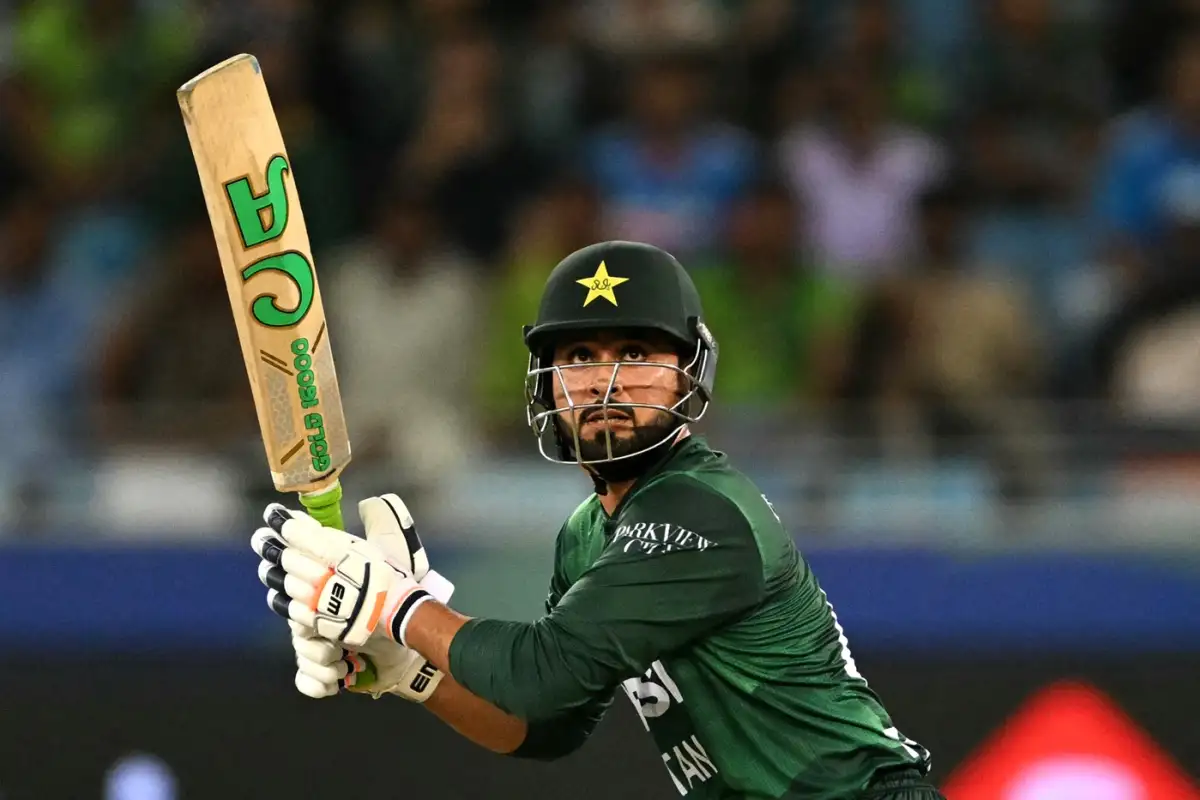
The Group A opener on Saturday, February 7, 2026, promised excitement, but few predicted the Netherlands would push the Asian giants to the absolute brink. Chasing a modest target of 148, Pakistan found themselves in a precarious position, losing wickets in clusters before Faheem Ashraf unleashed a match-winning cameo that saved blushes and secured crucial points on the board.
The Turning Point: Faheem Ashraf’s Late Blitz
When the top order departs and the run rate climbs on a tricky surface, the pressure is immense. Pakistan found themselves staring down the barrel of defeat with seven wickets down. The Dutch bowlers, particularly Paul van Meekeren and Aryan Dutt, had tightened the screws, making boundary-hitting difficult.
Enter Faheem Ashraf. With the team needing a finisher to stand up, Faheem played what might be the most significant knock of his T20 career. Scoring an unbeaten 29 off just 11 deliveries, he batted with a strike rate of 263.63, completely shifting the momentum that had firmly swung in the Netherlands’ favor. His ability to find the gaps and clear the ropes under extreme pressure turned a potential tragedy into a triumph. While the top order laid the foundation, stats clearly show that without Faheem’s 29*, Pakistan would have fallen agonizingly short.
Pakistan’s Chase: Stability, Panic, and Relief
The chase of 148 began with intent but was far from smooth. Sahibzada Farhan was the anchor for the innings, displaying maturity and class. His 47 off 31 balls was the backbone of Pakistan’s batting effort. Farhan struck the ball cleanly, keeping the required run rate in check while wickets fell around him. He found a temporary ally in Saim Ayub, who contributed a brisk 24 off 13 balls to get the scoreboard moving during the powerplay.
However, the Dutch attack was disciplined. Paul van Meekeren was exceptional, picking up 2 wickets for just 20 runs in his 4-over spell, stifling the Pakistani middle order. Aryan Dutt supported him well with figures of 2/33. The introduction of veteran Roelof van der Merwe also slowed things down, as he conceded only 13 runs in his 3 overs and picked up a wicket.
As the match went deep into the death overs, Pakistan lost their set batters, and panic set in. The dismissal of Sahibzada Farhan triggered a mini-collapse, leaving the tail exposed. It required the composure of Faheem Ashraf, partnered with the tail, to drag the team over the line with just 3 balls to spare.
Detailed Pakistan Batting Scorecard
| Batter | Runs | Balls | Status |
| Sahibzada Farhan | 47 | 31 | Out |
| Faheem Ashraf | 29 | 11 | Not Out |
| Saim Ayub | 24 | 13 | Out |
| Other Batters | 48 | 61 | – |
| Total | 148/7 | 19.3 Overs | Target: 148 |
Export to Sheets
Netherlands Innings: A Story of Missed Opportunities
Earlier in the day, after Pakistan won the toss and elected to bowl, the Netherlands struggled to build enduring partnerships. The pitch at the SSC Ground offered assistance to the bowlers, and Pakistan exploited it well.
The Dutch innings was held together by their captain, Scott Edwards, who played a gritty knock of 37 off 29 balls. He showed excellent technique against spin, trying to maneuver the field. He was supported by Bas de Leede, who scored a steady 30 off 25 balls. However, once this partnership was broken, the innings lost momentum.
Michael Levitt provided a brief spark at the top with a 24 off 15 balls, but the rest of the batting lineup failed to convert starts into substantial scores. The lower order crumbled under the pressure of death bowling, and the Netherlands were eventually bowled out for 147 on the penultimate ball of the innings (19.5 overs). While 147 is considered below par in modern T20 cricket, the Dutch bowlers almost made it enough.
Detailed Netherlands Batting Scorecard
| Batter | Runs | Balls | Strike Rate |
| Scott Edwards | 37 | 29 | 127.58 |
| Bas de Leede | 30 | 25 | 120.00 |
| Michael Levitt | 24 | 15 | 160.00 |
| Extras/Others | 56 | 48 | – |
| Total | 147/10 | 19.5 Overs | – |
Export to Sheets
Pakistan Bowling: The Architects of the Win
Before Faheem’s heroics with the bat, it was the bowlers who set up the game. Pakistan’s decision to bowl first was justified by their ability to take wickets at regular intervals.
The standout performer with the ball was Salman Mirza. His figures of 3 wickets for 24 runs in 3.5 overs broke the back of the Dutch batting lineup. He bowled with pace and accuracy, striking whenever the Netherlands looked to accelerate.
He was ably supported by the spin wizardry of Abrar Ahmed. Abrar spun a web around the Dutch middle order, conceding just 23 runs in his full quota of 4 overs and taking 2 crucial wickets. Interestingly, Saim Ayub proved his utility as an all-rounder, bowling a single over but taking 2 wickets for just 7 runs—a golden arm moment that shifted the game early on.
Detailed Pakistan Bowling Card
| Bowler | Overs | Runs | Wickets | Economy |
| Salman Mirza | 3.5 | 24 | 3 | 6.26 |
| Abrar Ahmed | 4.0 | 23 | 2 | 5.75 |
| Saim Ayub | 1.0 | 7 | 2 | 7.00 |
| Others | 11.0 | 93 | 3 | 8.45 |
Export to Sheets
Conclusion: A Wake-Up Call for Pakistan
While the scorecard will read “Pakistan won by 3 wickets,” the reality inside the dressing room will be one of relief rather than celebration. Winning the toss and restricting the opposition to 147 should have resulted in a comfortable chase. Instead, the batting fragility was exposed by a spirited Dutch unit.
For the Netherlands, this is a heartbreaking result. To fight so hard and take the game to the final over against a cricketing powerhouse shows their immense improvement, but they lacked that final killer blow to close out the match.
As the tournament progresses, Pakistan will need to address their middle-order stability. They cannot rely on a lower-order blitz from Faheem Ashraf in every match. However, for now, fans can breathe a sigh of relief. The World Cup campaign has started with a win, and Faheem Ashraf has etched his name into the highlights reel of the 2026 World Cup with a finish that was nothing short of spectacular. The “Green Shirts” live to fight another day, taking 2 points from a game that, for long periods, looked like it was slipping away.