India U19 Crushes Scotland by 121 Runs: Sooryavanshi’s 96 Powers World Cup Warm-up Win
If the warm-up fixtures are a trailer for the main movie, the India U19 cricket team just promised a blockbuster at the ICC U19 World Cup 2026. In the picturesque setting of Bulawayo, the “Boys in Blue” didn’t just defeat Scotland; they dismantled them.
A staggering 121-run victory (via DLS method) sent a clear message to the rest of the world: India is not here to participate; they are here to dominate. While warm-up games are technically about “acclimatization” and “testing combinations,” India used this outing to flex their muscles, posting a mammoth 374/8 before strangling Scotland to 112/9.
The Sooryavanshi Storm: A New Star is Born?
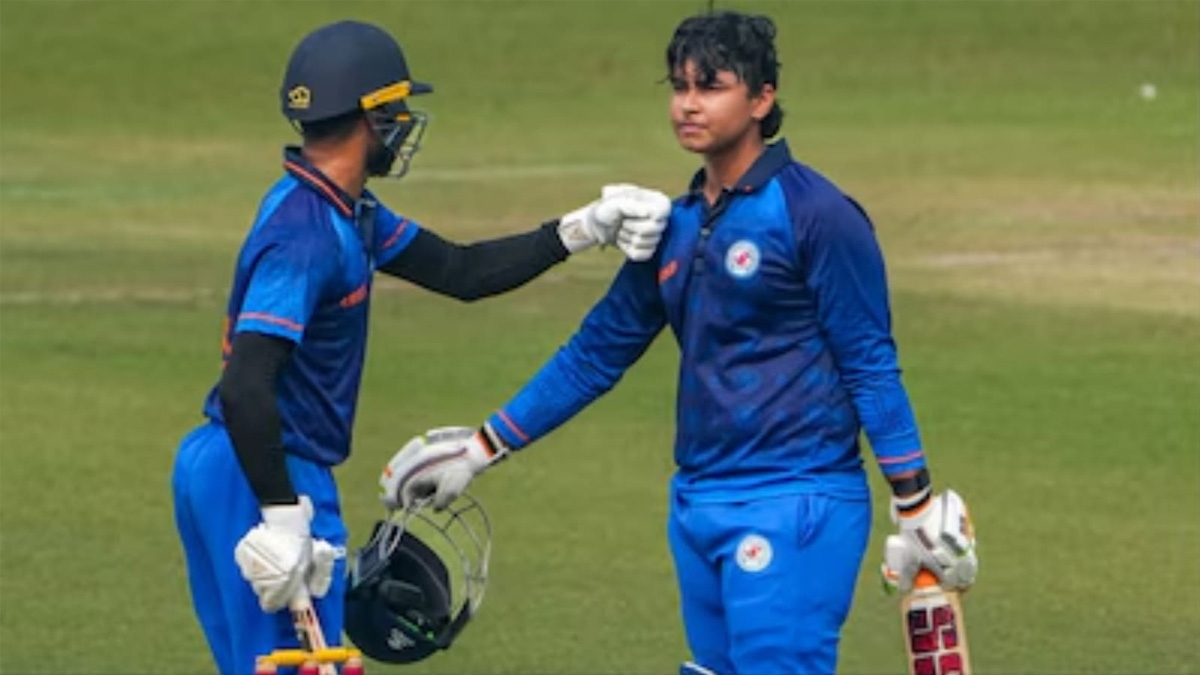
The headline act of the day was undoubtedly Vaibhav Sooryavanshi. In age-group cricket, you often see batters taking their time to settle in. Sooryavanshi, however, seemingly left the “settling in” manual in the dressing room. Opening the batting, the southpaw unleashed carnage, smashing a breathtaking 96 off just 50 balls.
To put that into perspective, in a 50-over format, striking at nearly 200.00 is absurd. He missed a well-deserved century by a whisker, but the impact was made. His innings broke the spirit of the Scottish attack inside the first 15 overs. It wasn’t just slog-sweeps; it was clean, decisive hitting that forced the Scottish bowlers off their lengths.
This innings is significant for India’s tactical blueprint. It suggests that the team management has given the top order a license to kill. With regular captain Ayush Mhatre returning to lead the side, Sooryavanshi played with a freedom that usually stems from knowing the management backs you completely.
The Supporting Acts: Depth That Scares
While Sooryavanshi provided the fireworks, the rest of the Indian batting order provided the steel. A team doesn’t reach 374 solely on one man’s shoulders.
- Aaron George, Vihaan Malhotra, and Abhigyan Kundu all registered half-centuries.
- This is the nightmare scenario for opposition teams: getting Sooryavanshi out doesn’t stop the flow of runs. It merely opens the door for a technically sound middle order to grind you down.
- Vihaan Malhotra’s return from injury was particularly heartening. Scoring a fifty immediately upon return shows mental toughness and readiness for the big stage.
The fact that India could keep the pedal to the metal for 50 overs, despite losing wickets, speaks volumes about their depth. They didn’t just aim for 300; they pushed for 375, showing a ruthlessness that champions possess.
The Scottish Struggles: A Reality Check
For Scotland U19, led by Thomas Knight, this was a brutal initiation into the level of cricket required to compete with the “Big Three.” Chasing a DLS-adjusted target (likely steep given the original 374), Scotland crumbled under the pressure of the scoreboard and the quality of Indian bowling.
Only opener Theo Robinson offered any semblance of resistance, being the only batter to cross the 30-run mark. The rest of the lineup capitulated. It highlights the gap in exposure between Associate nations and full members. The Scottish batters seemed unable to rotate the strike against the Indian spinners or handle the pace variations.
However, warm-ups are learning curves. For players like Finlay Jones and Ollie Jones, facing an attack of this caliber is invaluable experience before the tournament proper begins.
The Bowling: Spin and Pace in Tandem
Defending a massive total can sometimes lead to complacency in the bowling unit. Bowlers might try too many “magic balls” instead of sticking to the basics. The Indian attack, however, remained disciplined.
- Khilan Patel and Deepesh Devendran were the destroyers-in-chief, claiming three wickets apiece.
- The breakdown of the wickets is promising. Deepesh likely provided the breakthroughs with pace or movement, while Khilan utilized the middle overs to spin a web around the Scottish batters.
- Reducing Scotland to 112/9 in a chase where they needed to score at 7 or 8 runs an over shows that India didn’t give them an inch. They squeezed the run rate, forced mistakes, and capitalized on them.
The Leadership: Ayush Mhatre Returns
This match marked the return of Ayush Mhatre as skipper. He missed the South Africa ODI series (where Sooryavanshi deputized as captain), but his return restores the natural hierarchy of the squad. Leading a side that just won 3-0 against South Africa and now crushed Scotland creates a “good problem.” Confidence is high, but Mhatre’s job will be to keep feet on the ground. The transition from “warm-up winners” to “World Cup champions” is slippery, as the Asia Cup final loss to Pakistan proved.
Implications for the World Cup
What does this mean for Group A and the tournament?
- The Fear Factor: India has put a target on their back. Teams like Australia, England, and Pakistan will look at the scorecard—specifically the 374 runs—and realize their bowling plans need to be flawless.
- Selection Headaches: With everyone scoring runs (Sooryavanshi, George, Malhotra, Kundu), the management has a tough task picking the final XI for the tournament opener.
- Momentum: Coming off a series win in South Africa and now a massive warm-up win, India has adapted to the African conditions perfectly. The bounce and carry of Bulawayo (and potentially other venues) seem to suit their stroke-makers.
Conclusion
The scoreboard reads a 121-run win, but the story is about intent. In 2026, U19 cricket is no longer just about potential; it is about performance. Vaibhav Sooryavanshi played an innings that belonged in the IPL, and the bowling unit hunted like a pack.
Scotland was outclassed, but for India, the engine is purring. The “Baby Men in Blue” look ready to reclaim the throne. If this warm-up was any indication, the World Cup isn’t just a tournament for them; it’s a mission.