IND vs PAK: Naqvi & Jay Shah’s Secret Summit?
COLOMBO: The cameras will be trained on the 22 yards, capturing every yorker and every cover drive. The fans will be screaming for Rohit Sharma and Babar Azam. But for the powerbrokers of world cricket, the real game isn’t happening on the field—it is happening in the exclusive VVIP hospitality box at the stadium.
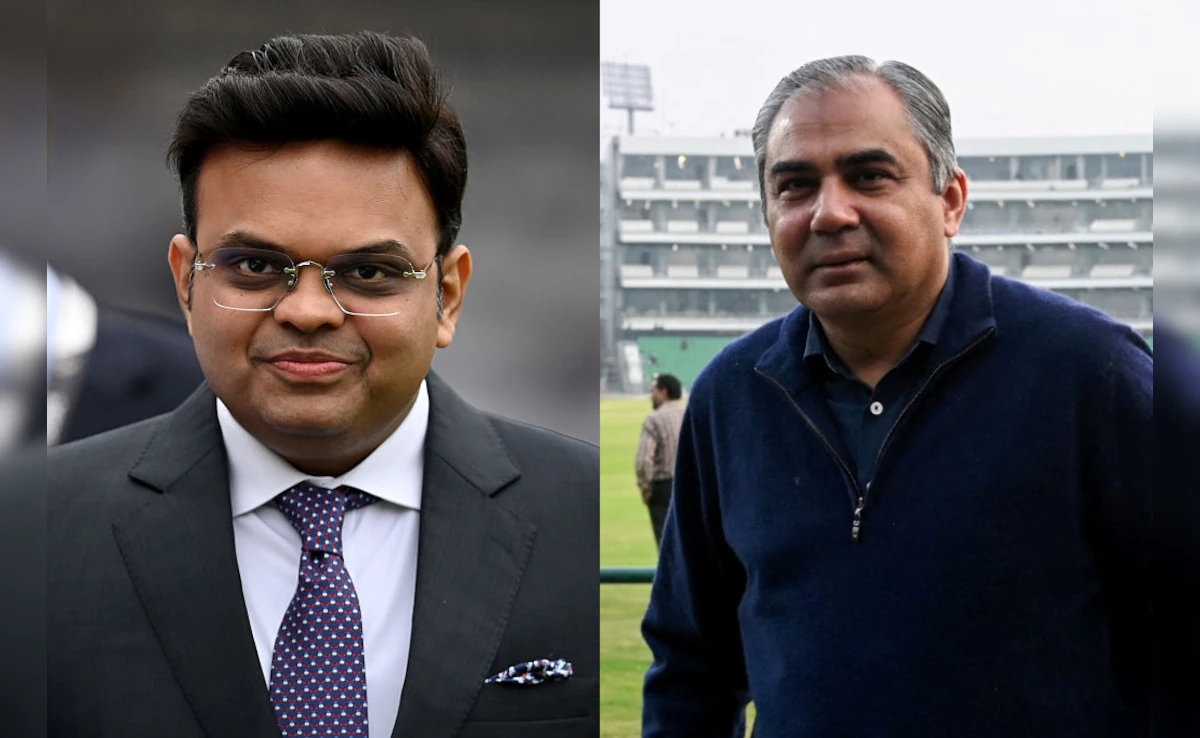
In a development that has sent ripples through the cricketing fraternity, Pakistan Cricket Board (PCB) Chairman Mohsin Naqvi and BCCI Secretary Jay Shah are confirmed to watch the high-octane India vs. Pakistan clash sitting side-by-side.
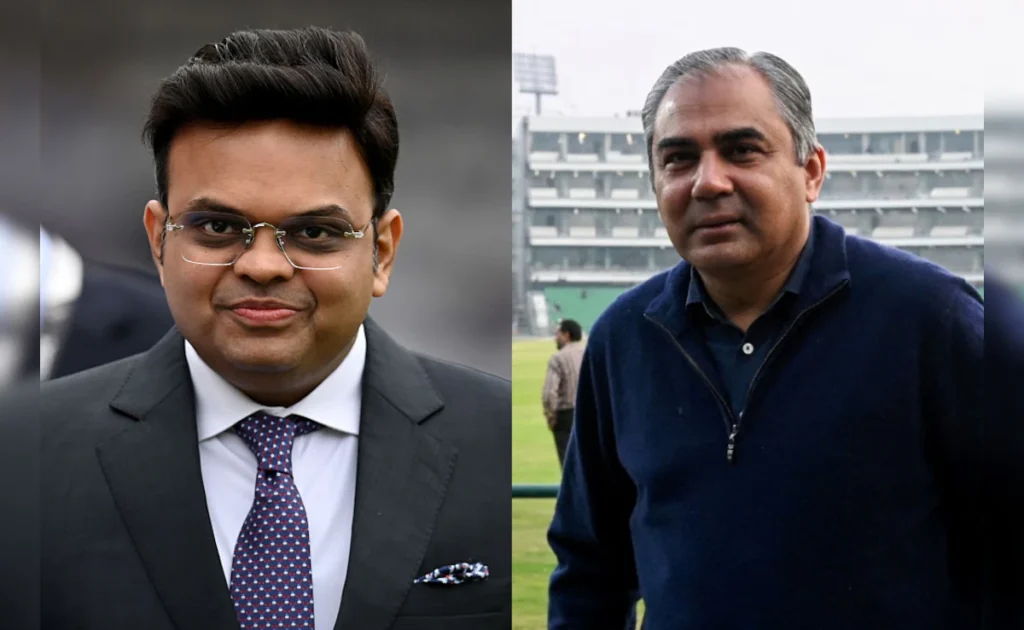
This is not just a courtesy call. According to insider reports, this meeting, attended by heads of the Bangladesh, Afghanistan, and Sri Lanka boards, is poised to be a watershed moment for the Asian Cricket Council (ACC). With rumors of a “Trophy Handover” and a “New Roadmap,” tomorrow isn’t just about winning a match; it’s about saving the sanctity of Asian cricket.
The VIP Box: A Summit of Power
For years, India and Pakistan cricket relations have been defined by distance. Matches are played at neutral venues, and board chiefs rarely share a frame. That changes tomorrow.
The presence of “Big Boss” Mohsin Naqvi (as dubbed by Pakistani media) alongside Jay Shah signals a thaw in the icy administrative relations. The agenda is clear: protect the financial powerhouse that is the Asia Cup and ensure the smooth conduct of future ICC events (like the Champions Trophy).
Table 1: The “Power List” – Who is in the Box?
The gathering of these officials suggests that a major decision regarding the ACC’s future revenue model and hosting rights is on the table.
| Official Name | Designation | Role in the Meeting | Key Interest |
| Mohsin Naqvi | Chairman, PCB | The Host/Diplomat | Securing Champions Trophy hosting & Asia Cup rights. |
| Jay Shah | Secretary, BCCI & President, ACC | The Decision Maker | Ensuring India’s security concerns & ACC revenue stability. |
| Nazmul Hassan | President, BCB (Bangladesh) | Key Stakeholder | Seeking more fixtures and revenue share from ACC. |
| Mirwais Ashraf | Chairman, ACB (Afghanistan) | The Emerging Power | Strengthening ties with both BCCI and PCB for future tours. |
| Shammi Silva | President, SLC (Sri Lanka) | The Neutral Host | Ensuring Sri Lanka remains a preferred neutral venue. |
Analysis: This is effectively an emergency ACC meeting disguised as a match viewing. The presence of the “Neutral Three” (Ban, Afg, SL) ensures that any decision made by Naqvi and Shah has immediate ratification.
The Symbolic Handover: Naqvi to BCCI
The most intriguing piece of information leaking from the camp is the likelihood of Mohsin Naqvi handing over the Asia Cup trophy to the BCCI.
What does this mean?
- Hosting Rights Transition: It could symbolize the formal passing of the baton if India is scheduled to host the next edition (or the Women’s edition).
- A Peace Offering: In diplomatic terms, this is a massive gesture. It signifies that despite the “Hybrid Model” controversies, the PCB acknowledges the BCCI’s role in the Asian ecosystem.
- The “Champions Trophy” Trade-off: Speculation is rife that this gesture is part of a broader deal to ensure India travels to Pakistan for the Champions Trophy, or vice versa, ensuring Pakistan’s hosting rights are preserved.
Table 2: The Significance of the “Handover”
| Gesture | Diplomatic Meaning | Impact on Fans |
| Joint Viewing | “We can coexist.” | Reduces toxicity on social media. |
| Trophy Handover | “We respect the cycle of leadership.” | Signals stability for future tournaments. |
| Player Handshakes | “Sportsmanship above politics.” | Creates viral moments of unity (e.g., Kohli-Babar). |
The “Handshake” That Will Break the Internet
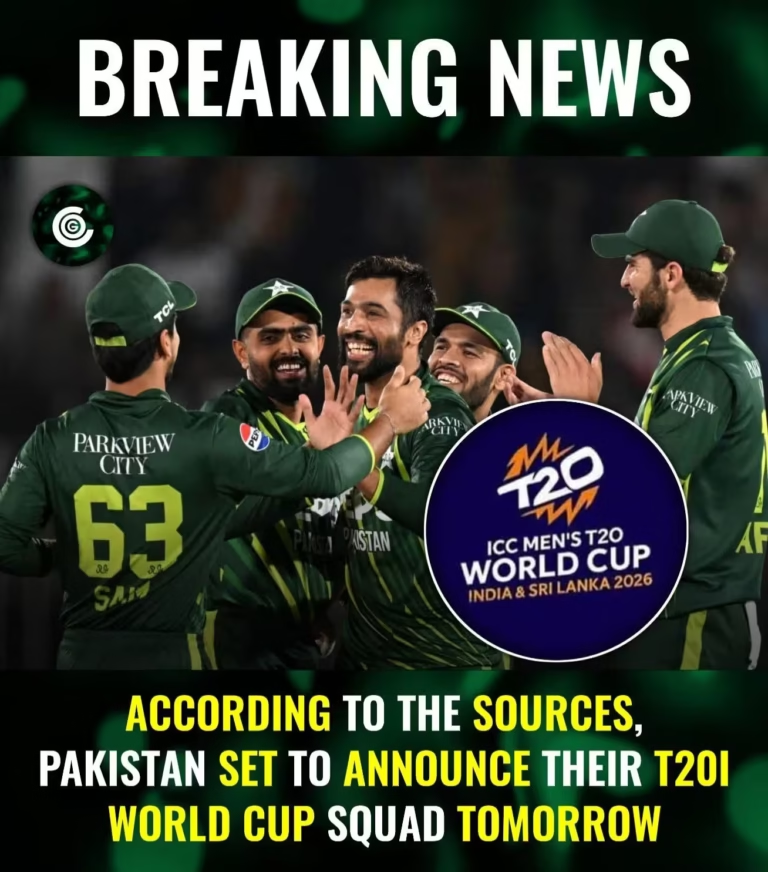
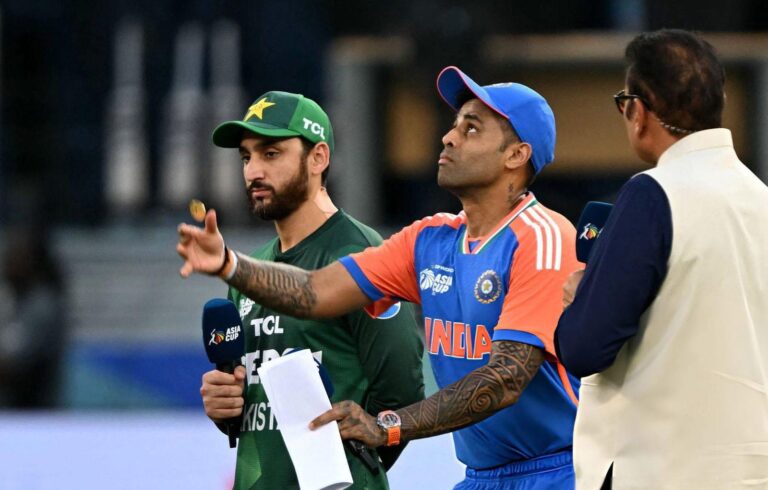
While the suits talk business, the players will engage in their own diplomacy. The report confirms that Indian and Pakistani players are expected to shake hands—a ritual that has become heavy with meaning in recent years.
We have seen Virat Kohli gifting a bat to Mohammad Amir, and Shaheen Afridi asking about Jasprit Bumrah’s newborn. These moments humanize a rivalry that is often dehumanized by political rhetoric.
Why is this important? When the players show camaraderie, it makes it easier for the Board Chiefs (Naqvi and Shah) to sell the idea of bilateral cricket to their respective governments. If the on-field atmosphere is toxic, administrative talks fail. If the on-field atmosphere is respectful, doors open.
The Financial Stakes: Why They Must Agree
Why are Mohsin Naqvi and Jay Shah sitting together? The answer, inevitably, is economics. The ACC (Asian Cricket Council) generates the vast majority of its revenue from India vs. Pakistan matches.
Without these two playing, the broadcast rights for the Asia Cup plummet by up to 70-80%.
Table 3: The “Ind-Pak” Economy
This table illustrates why the other Asian nations (represented by their board chiefs) are desperate for Naqvi and Shah to get along.
| Metric | Ind vs Pak Match | Other Asian Matches | Impact |
| Viewership | 300 Million+ | 20-40 Million | ACC survival depends on Ind-Pak. |
| Ad Revenue (10 sec slot) | $30,000 – $40,000 | $2,000 – $5,000 | Broadcasters pressure boards for matches. |
| Stadium Attendance | 100% Sold Out | 40-60% Capacity | Gate receipts fund smaller boards. |
| Global Interest | Top Trending Worldwide | Regional Interest | ICC/ACC relevance. |
Analysis: Bangladesh, Afghanistan, and Sri Lanka need India and Pakistan to play. Their development grants from the ACC are directly funded by the revenue generated from the Ind-Pak rivalry. Mohsin Naqvi understands this leverage, and Jay Shah understands the responsibility.
Shaping the Future: The Hybrid Model Debate
The phrase “Future Direction of Asian Cricket” in the report is crucial. The elephant in the room is the Hybrid Model.
- Past: Pakistan hosted the Asia Cup, but India played in Sri Lanka.
- Present: Tensions exist over the Champions Trophy (scheduled in Pakistan).
- Future: Will this meeting solidify a standard operating procedure?
It is highly likely that Naqvi and Shah are discussing a long-term solution where politics does not interrupt the cricket calendar. If they can agree on a “No-Boycott” clause or a permanent “Hybrid” solution that satisfies broadcasters, the uncertainty that plagues every tournament will vanish.
Conclusion: A Win for Cricket Diplomacy?
Tomorrow, the scorecard will record runs and wickets. But history will record the images from the VIP box.
Mohsin Naqvi and Jay Shah watching the game together is a visual statement that Asian cricket is united. The handing over of the trophy—if it happens—will be the seal on that unity.
For the fans, it’s about the cover drives and the yorkers. But for the health of the game, the survival of the Asia Cup, and the economic stability of cricket in the region, the real “Man of the Match” performance needs to come from the two men in suits sitting behind the glass.
As the sun sets in Colombo tomorrow, we might just see the dawn of a new era where cricket finally beats politics.
Are you ready for the biggest handshake in cricket history?