
SLC Sends Strong Letter to PCB After India-Pakistan Match Shift Causes Massive Losses
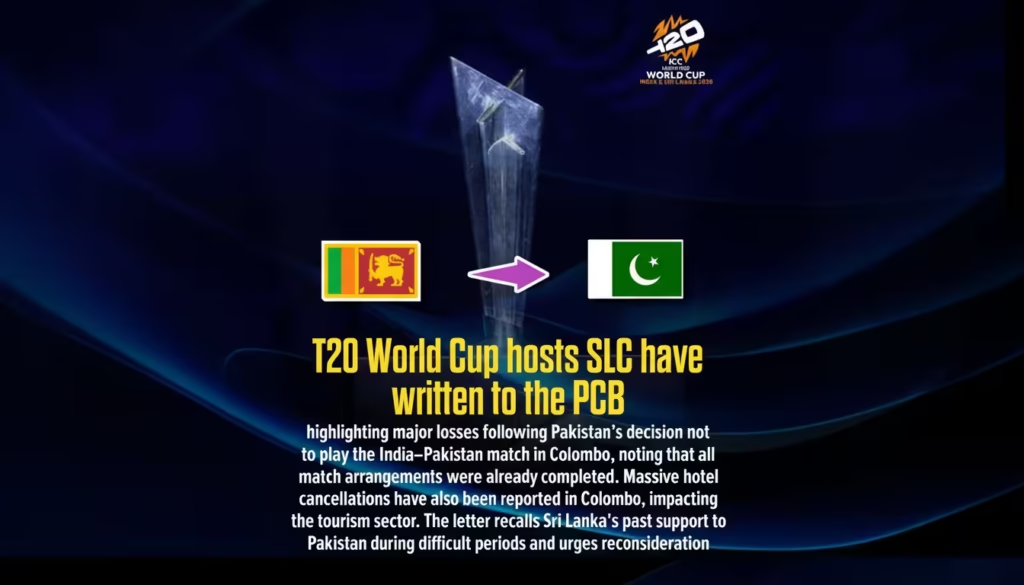
The T20 World Cup 2026 just hit its first major controversy before the tournament even started. Sri Lanka Cricket (SLC) has officially written to the Pakistan Cricket Board (PCB) expressing serious concerns over Pakistan’s decision to relocate their match against India from Colombo. The move has triggered massive financial losses, hotel cancellations, and a tourism crisis that’s shaking the island nation’s economy.
With the T20 World Cup 2026 set to begin February 7, this behind-the-scenes drama reveals the massive stakes involved when cricket meets politics and money. Check the updated tournament schedule to see how match locations have changed.
What Exactly Happened?
Pakistan Cricket Board made a last-minute decision not to play their highly anticipated match against India in Colombo. This wasn’t just any game—India-Pakistan matches are cricket’s biggest draw, bringing in millions of viewers, packed stadiums, and unprecedented tourism revenue. Sri Lanka Cricket had already completed all match arrangements, spent significant resources, and was expecting a financial windfall from hosting cricket’s most-watched rivalry.
The decision blindsided SLC, leaving them with confirmed bookings, prepared venues, and thousands of disappointed fans who’d planned their entire trips around watching this match live. Hotels in Colombo are now reporting massive cancellation waves as fans cancel their travel plans entirely.
The Financial Damage: More Than Just Cricket
Tourism Sector Takes the Hit
Colombo’s hospitality industry is reeling from the fallout. Hotels that were fully booked months in advance are now facing mass cancellations. Tourism operators who built packages around the India-Pakistan match are scrambling to salvage whatever bookings remain. The ripple effect extends beyond just match day—restaurants, transportation services, local shops, and tour operators all lose out.
| Sector | Impact |
|---|---|
| Hotels | Mass cancellations reported |
| Tourism Packages | Widespread cancellations |
| Match Arrangements | Already completed, now wasted |
| Local Economy | Significant revenue loss |
The teams participating in the World Cup bring economic benefits to host cities, but last-minute changes devastate those carefully laid plans.
SLC’s Letter: A Reminder of Past Support
Sri Lanka Cricket’s letter to the PCB wasn’t just about money—it carried emotional weight too. The letter specifically recalled Sri Lanka’s unwavering support to Pakistan during their most difficult periods. When international cricket teams refused to tour Pakistan due to security concerns, Sri Lanka stood by them. When Pakistan cricket was isolated, Sri Lanka remained a friend.
The letter frames this match relocation not just as a financial blow, but as a betrayal of that friendship. SLC urged the PCB to reconsider their decision, highlighting how Pakistan’s choice undermines the partnership between the two cricket boards. It’s a diplomatic but firm reminder that cricket relationships matter beyond just the boundary ropes.
The Bigger Picture: Politics Meets Cricket
This controversy exposes the complex reality of modern cricket. The India-Pakistan rivalry transcends sport—it’s tangled with politics, security concerns, broadcasting rights, and massive financial implications. When the T20 World Cup 2026 groups were announced, everyone knew these matches would be complicated. But few expected host nations to suffer the consequences.
What This Means for Future Tournaments
If host countries can’t rely on confirmed match schedules, it sets a dangerous precedent. Tournament planning requires months of preparation, millions in investment, and coordination across multiple sectors. Last-minute changes don’t just inconvenience organizers—they damage entire economies.
The ICC will likely face tough questions about how such situations should be handled. Should host nations receive compensation? Should match venues be locked in earlier? Can cricket afford to let political considerations override financial commitments to host countries?
Fan Reactions: Disappointment and Frustration
Cricket fans who’d already purchased tickets for matches in Colombo are expressing anger and confusion on social media. Many international fans specifically chose Colombo because they wanted to experience the India-Pakistan atmosphere in Sri Lanka’s passionate cricket environment.
| Fan Impact | Details |
|---|---|
| Travel Cancellations | Thousands cancelled Sri Lanka trips |
| Ticket Refunds | Fans demanding compensation |
| Social Media Backlash | Widespread frustration online |
| Economic Loss | Fans lose non-refundable bookings |
Some fans are stuck with non-refundable flight bookings, hotel deposits, and vacation plans built around a match that’s no longer happening where it was supposed to. The human cost of these administrative decisions often gets overlooked in official statements and cricket board meetings.
What Happens Next?
As of now, the PCB hasn’t publicly responded to SLC’s letter. Cricket boards typically handle these disputes privately before any official statements emerge. But with the tournament starting February 7, time is running out for a resolution.
The broader cricket community is watching closely. If SLC’s concerns are ignored, it could strain relationships between Asian cricket boards and complicate future tournament hosting agreements. The points table will eventually show which teams advance, but the off-field politics might leave longer-lasting damage.
Possible Outcomes
The ICC might mediate between the two boards to find a financial settlement. Pakistan could offer some form of compensation for SLC’s losses, though no official proposals have been made public. Alternatively, this could simply become another example of how smaller cricket nations absorb losses when bigger boards make decisions based on their own interests.
Stay updated with the latest developments through our news and updates section as this story continues to unfold.
The Lesson: Cricket’s Hidden Costs
This controversy reveals an uncomfortable truth about international cricket. While fans see thrilling matches and players see glory, host nations take enormous financial risks. When those risks don’t pay off due to circumstances beyond their control, someone has to absorb the losses. In this case, it’s Sri Lanka.
The T20 World Cup 2026 will still deliver incredible cricket moments, unforgettable performances, and dramatic finishes. But behind every tournament runs a complex web of economic planning, diplomatic relationships, and financial commitments that most fans never see. Sri Lanka Cricket’s letter to the PCB just pulled back the curtain on that reality.
Frequently Asked Questions
Why did Pakistan refuse to play India in Colombo? Pakistan Cricket Board hasn’t officially stated reasons, but the decision appears linked to security and political considerations typical of India-Pakistan cricket relations.
Will the India-Pakistan match still happen? Yes, the match will still occur but at a different venue. Check the official tournament schedule for the updated location.
Can Sri Lanka Cricket get compensation for their losses? That depends on negotiations between SLC, PCB, and the ICC. No compensation agreement has been announced publicly yet.
How much money did Sri Lanka lose from this decision? Exact figures haven’t been disclosed, but losses include venue preparation costs, tourism revenue, and hotel cancellation impacts running into significant amounts.
Has this happened before in cricket tournaments? Match relocations occur occasionally, but last-minute changes after arrangements are complete are relatively rare and usually involve security emergencies.
What does this mean for future T20 World Cups? This controversy might lead to stricter venue locking policies and clearer compensation frameworks for host nations affected by late match changes.